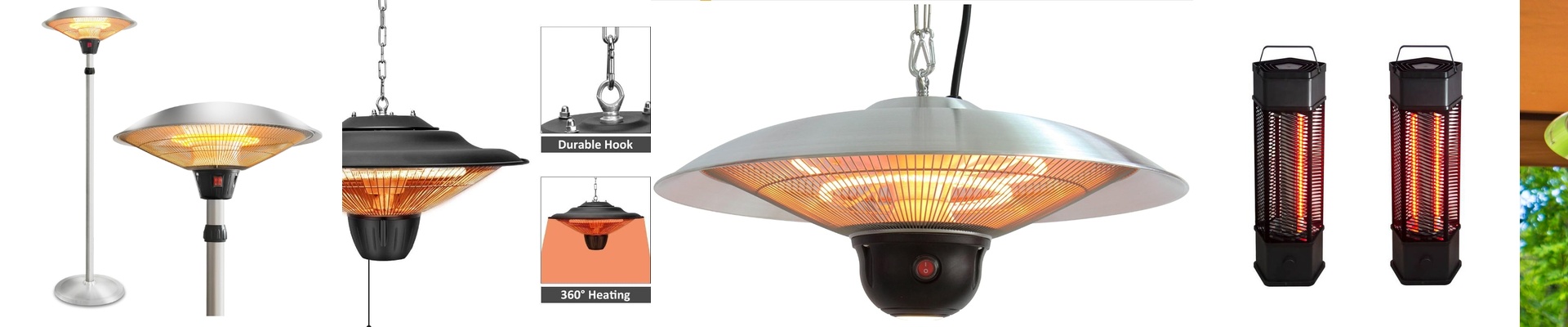
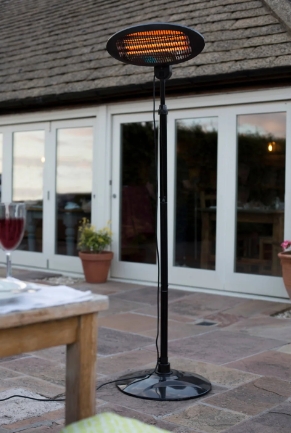
A sunroom is a great idea—sun all day, stars at night. But when the mercury dips, that wall of glass works against you, bleeding heat as fast as you can make it. The chill creeps in, and the room becomes a no-go, no matter how hard you try to warm it up. Traditional heaters lose that fight, because they warm air that just vanishes through the panes.
What matters, technically
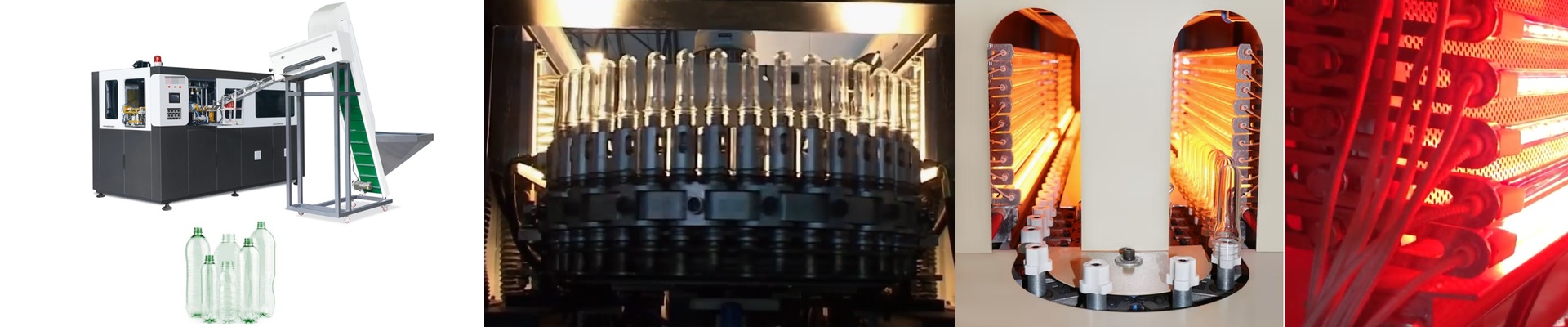
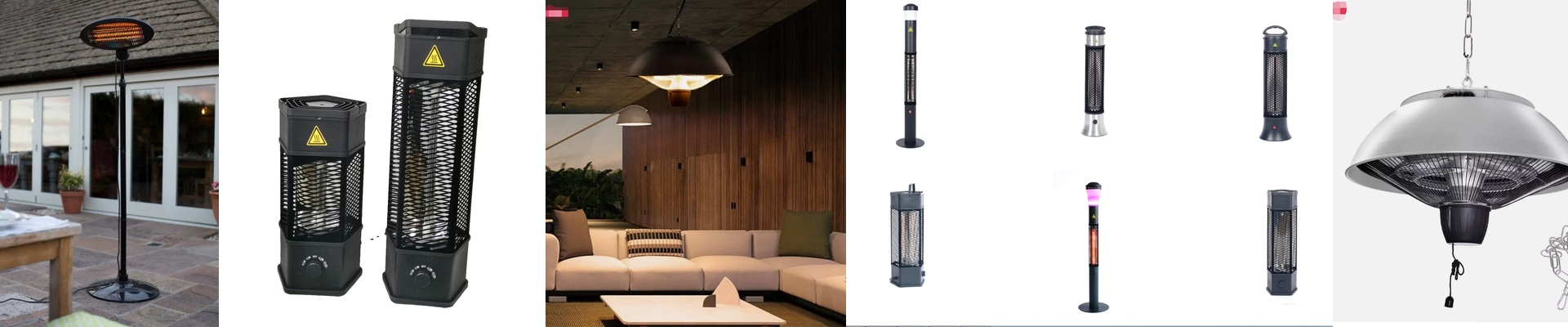
We design long-range patio heaters around infrared radiant heat, not warm air. At the core you’ll find a carbon fiber element or a quartz tube delivering short- to medium-wave infrared warmth. That energy travels in a straight line, heating people, floors, and furniture directly—just like the sun does. We tune the output for reach, typically 1500W to 3000W, so you get warmth in the far corners of a loft or sunroom without it fading out. A built-in thermostat holds the set temperature steady. And the safety basics are non-negotiable: tip-over protection and an overheat cutoff come standard. If you’re heating a space that sits right next to the outdoors, match the IP rating to the exposure—moisture and dust are the usual concerns.
Why this works in glass-heavy rooms
In a loft with big glass surfaces, air-based heat is wasted the second it hits the windows. Infrared warmth skips the air and lands on what matters—people and surfaces. You feel the comfort within moments of switching on, and the heat stays where you want it: on you, not on the roof or the panes. Because the heater doesn’t rely on moving air, you don’t pay as dearly for heat loss through ventilation and cracks. The payoff is a room you can actually live in—stable temperatures, lower running costs, and far fewer cold spots.
The details that make the difference
Infrared heat is directional, so placement matters. Mount the heater to cover the main seating area and keep direct line-of-sight glare off people’s eyes. In sunrooms with high ceilings, aim the beam so it reflects off walls or the ceiling for broader spread. Plan for even coverage in large rooms—infrared is efficient, but it creates localized warmth. Make sure the circuit can handle the wattage, and keep the required clearances clear so the unit runs safely.
日光房是一个合理的设计——白天享受阳光,夜晚观赏星星。但当气温下降时,那面玻璃墙反而成为热量流失的通道,热量流失速度与加热速度相当。寒意渗透,房间变得难以使用,无论多努力加热都难以奏效。传统加热器无法解决这一问题,因为它们加热的是空气,而空气热量会通过玻璃窗迅速流失。
技术关键点
我们设计的远程露台加热器基于红外辐射热,而非加热空气。加热核心采用碳纤维元件或石英管,发出短波至中波红外线热能。红外能量沿直线传播,直接加热人体、地面和家具,类似太阳的工作原理。输出功率通常调节在1500W至3000W之间,确保阁楼或日光房的远端角落也能感受到持续热量。
内置恒温器保持设定温度稳定。安全设计为标准配置,包括防倾倒保护和过热断电装置。如果加热空间紧邻户外环境,应根据实际暴露情况选择合适的IP防护等级,主要防范湿气和尘埃的影响。
玻璃多的房间为何适用
在大面积玻璃的阁楼中,基于空气的热量一旦接触玻璃即被浪费。红外热量绕过空气,直接作用于人体和物体表面。开启加热器后,舒适感迅速显现,热量保持在人体及周边环境,而非屋顶或玻璃窗上。
由于加热器不依赖空气流动,因此通过通风和缝隙产生的热量损失显著降低。结果是室内温度稳定,运行成本降低,冷区明显减少,提升了空间的实际使用性。
关键细节
红外热是定向传热,因此安装位置至关重要。加热器应安装于主要座位区上方,避免红外线直射眼睛。在高天花板的日光房中,可调整加热器角度,使红外线反射于墙面或天花板,扩大加热覆盖范围。
大型房间应规划均匀覆盖,红外加热效率高但热量集中。确保电路能承受额定功率,并保持必要的安全间距,保障设备安全运行。