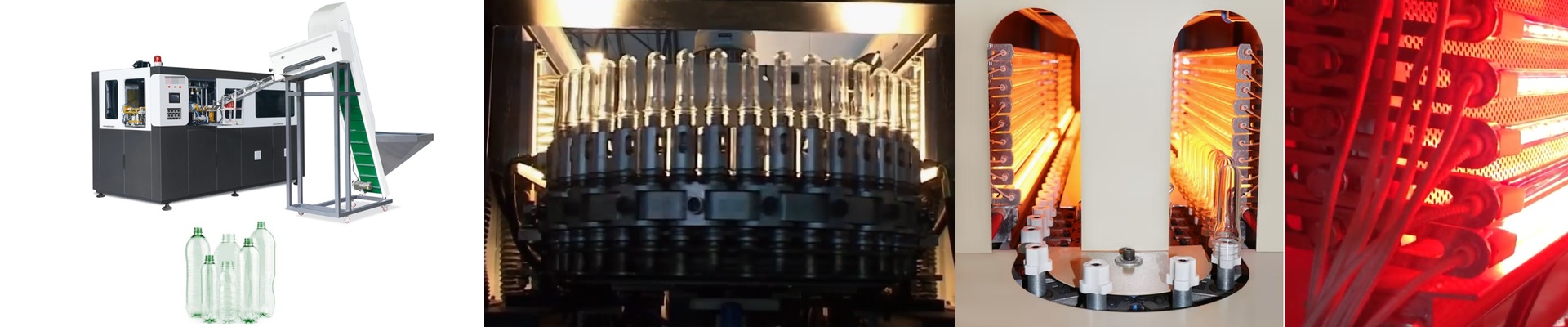
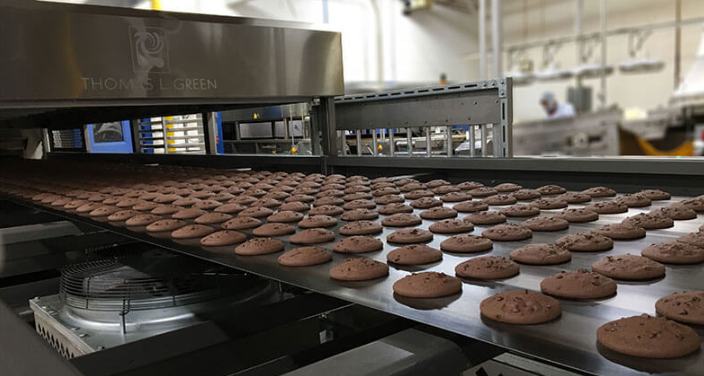
When the tickets start piling up and the line won’t quit, you can’t afford a top heat source that hesitates. A weak or slow lamp leaves toppings steaming while the crust stays pale, and bread under the broiler ends up patchy instead of evenly caramelized. We built this high-power twin quartz heat lamp to slam heat onto the deck the second the door opens—so you finish with color and texture, not excuses. What matters under the hood This lamp packs two quartz emitters into one compact, service-friendly housing. It throws short-wave energy that responds almost instantly, concentrating output up top in the baking chamber. That gives you fast recovery after loading and consistent surface heat when the rush hits. In practice, the cheese melts clean, toppings heat through, and the crust finishes with a deep, even golden-brown. The twin setup also evens out the hot zone across the width of the stone or deck, so you don’t get that striping you see from a single-point source. Why it holds up in a real service On a busy pizza line or a bakery deck oven, speed is only worth anything if the quality is repeatable. The twin quartz lamp brings the heat fast, so you can trim bake time without sacrificing doneness and keep the front of house moving. You get the visual you’re after—uniform browning—and the bite you need: crisp outside, tender inside. Because the heat comes on quickly and stays steady, you spend less time chasing temperature swings and more time plating food that looks the same from the first order to the last. The install and service notes Install is straightforward, but clearance is non-negotiable. The emitters run hot, so keep the lamp at the specified distance from the stone, deck, or pans—too close and you’ll scorch product and risk cooking nearby components. Match voltage and socket type to your oven’s spec, and make sure the mounting hardware fits your cavity depth. Plan for heat management around wiring and reflectors, and expect shorter lamp life if you run at extreme settings continuously. Schedule replacements during routine maintenance so output stays consistent.