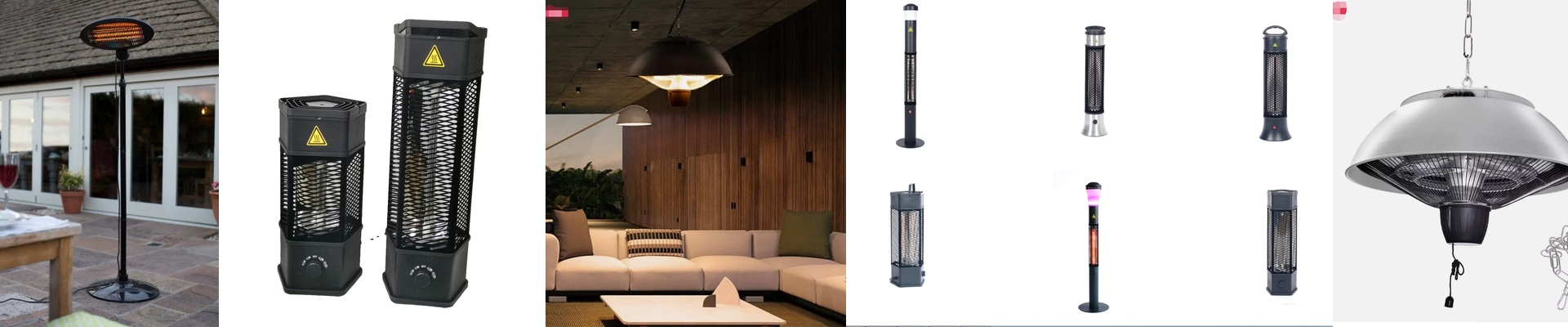
How New Infrared Heaters Turn Winter into a Win for Outdoor Restaurants
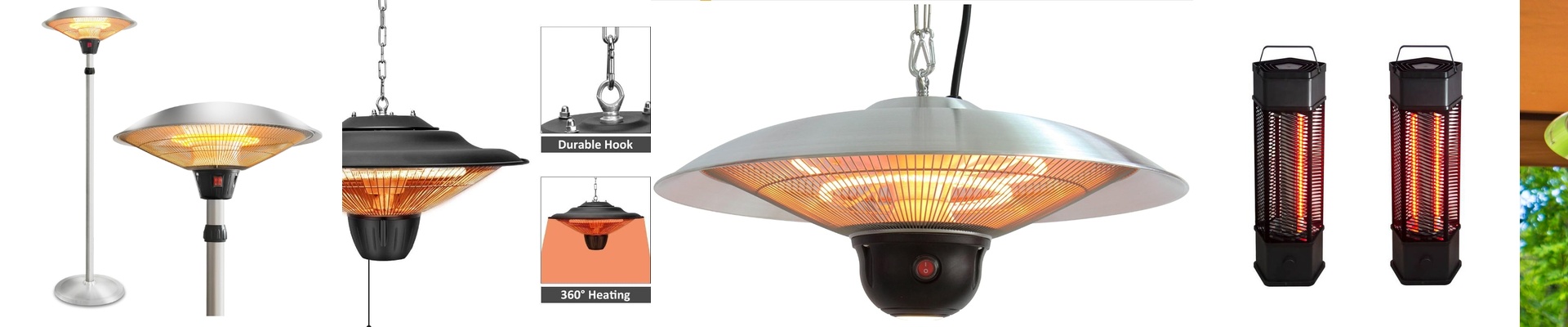
Let’s be honest—open-air dining in winter can feel like a losing battle. The wind sneaks in, the heat vanishes, and guests end up huddled under blankets instead of enjoying their meal. We built our new infrared heaters to change that. The whole point? Delivering warmth right where people sit—not wasting energy heating empty air. For outdoor restaurants, that means more usable tables, lower energy bills, and no complicated ductwork.
What’s Under the Hood: Power, Voltage, and Smart Heat Delivery
Inside, these heaters run on a compact, high-output core. They plug into standard 220-240V circuits, so you can work with what you already have—no rewiring the whole place. Why the high power density? Because outdoors is unforgiving. Wind strips away body heat fast, so the heater needs to throw enough radiant energy to keep guests comfortable. We keep the tube short for a reason. It focuses the heat into a tighter beam, so the warmth lands where you want it—on the tables—with fewer cold spots. No more guesswork about where to seat people. One thing to keep in mind: that focused power does make the area right around the heater warmer. So you’ll want to mount it with enough clearance, and make sure nearby materials can handle the radiant heat.
The Details That Matter: Halogen, Quartz, Coating, and Connectors
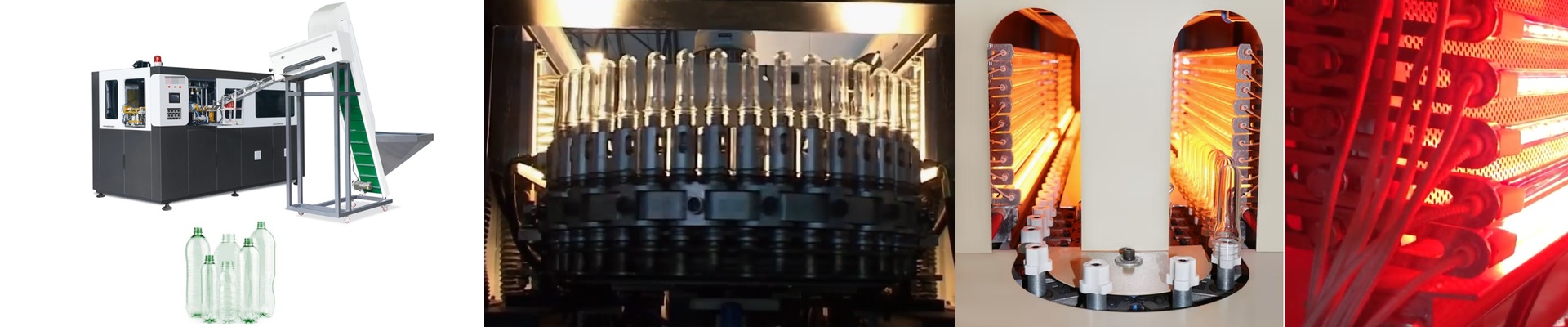
Inside the tube, a halogen element sits inside a quartz envelope. Quartz handles rapid heating and cooling without cracking, and the halogen cycle keeps the element steady over time. The reflector coating does a lot of the heavy lifting. It pushes infrared energy forward, so more of the heat goes out to guests instead of getting trapped in the housing. For installation, we use R7s connectors. They’re practical for commercial use—solid contact, easy alignment, and quick tube swaps when it’s time for maintenance. Wiring is straightforward, and the design mounts cleanly on walls or ceilings.
Why This Works for Outdoor Seating
Outdoor heat loss is mostly about moving air. Warm air rises and the wind whisks it away in seconds. Infrared bypasses the air and warms people and surfaces directly, so the feeling at the table stays cozy even when the air is cold. That direct warmth gives you flexibility. Heat specific zones when you need them, and scale back during slower times. And the heaters come on fast—no long warm-up—so you can react to a sudden chill without turning away guests. Let’s talk reality: wind and moisture are tough on outdoor gear. We build these with sealed joints and a tough housing, but it still pays to plan for shelter and keep the reflector and tube clean. A little upkeep keeps the performance strong. For the people running the space, it adds up to something simple: guests feel comfortable, tables turn faster, and the heating solution is straightforward to specify, install, and keep running.