

What makes a smart electric infrared heater feel different?
It’s all about speed. You flip the switch, and the heat comes on fast—focused, right where you need it. That quick warm-up isn’t just convenient. It’s a tell. It shows you what’s inside: how pure the materials are, how solid the build is.
Power, voltage, and size—matched to real shop life
We set these heaters up the way real workshops run. Most run on 230V or 400V, with power from 1000W to 2500W, and tube lengths from 300mm to 1200mm. That kind of power density packs a lot of heat into a small footprint. So you can swap it in and keep moving. But here’s the catch: when you run this hot, your control electronics and cooling have to be ready. High voltage, high wattage, and serious heat mean the surrounding parts need to handle the thermal load without breaking a sweat.
The guts: quartz, halogen, and a connector that just works
Inside, the heating element sits in a quartz tube with a halogen fill. The cleaner that fill is, the better the resistance behaves—and the faster you get up to temperature. High-purity tungsten filaments, clean halogen gas—fewer impurities means the element hits its target in seconds. And the quartz tube? It shrugs off thermal shock and keeps output steady, even during long runs. For wiring, we use R7s connectors. They’re simple, secure, and make installation quick on the floor. The two-pin ceramic base carries the current cleanly, so you spend less time troubleshooting and more time running.
Where it shines: industrial work that needs precision
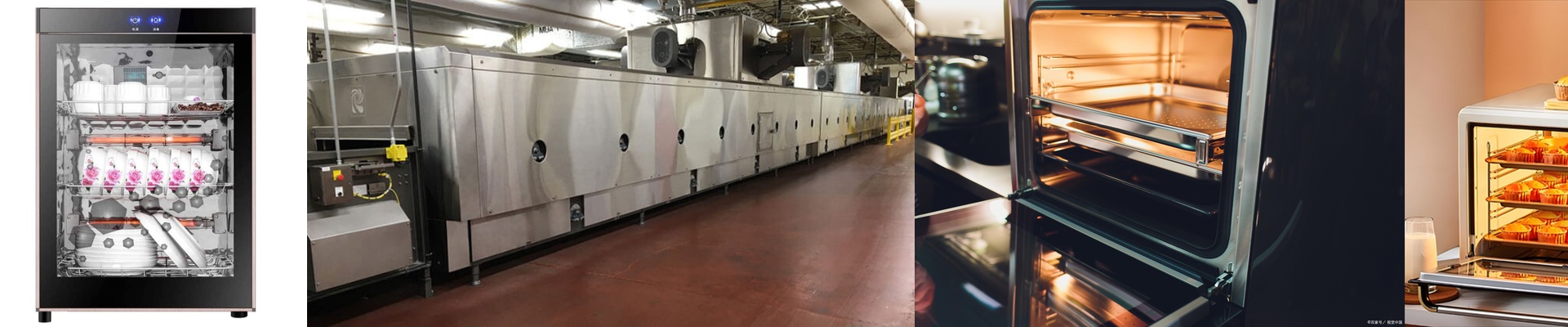
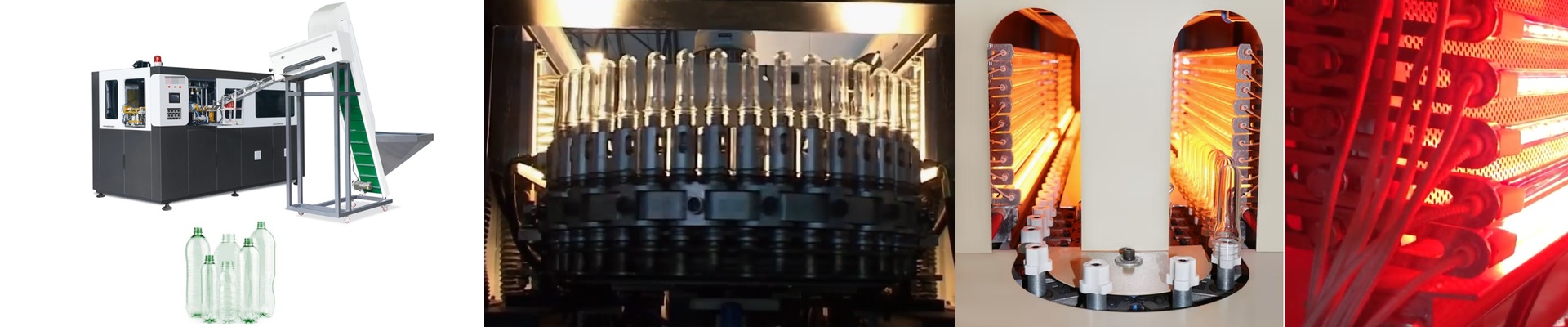
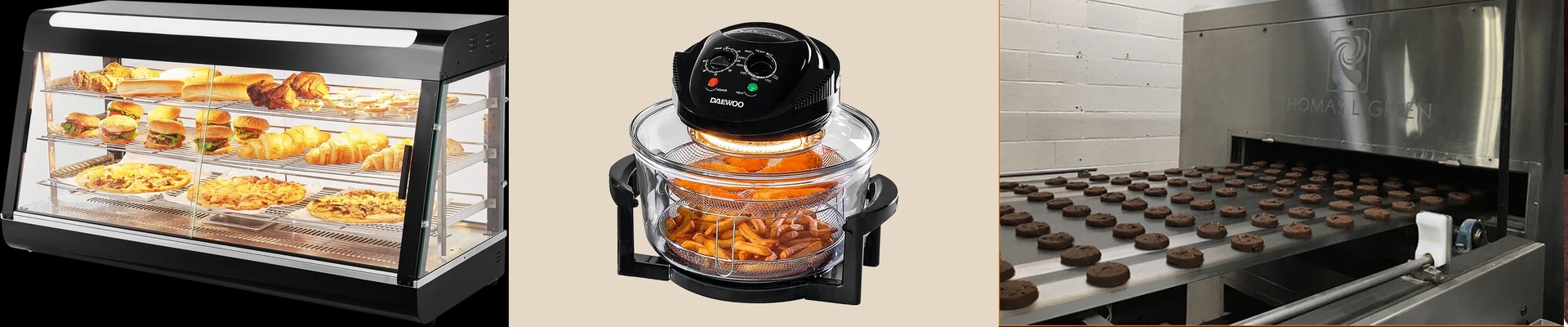
These heaters are built for the jobs that can’t afford guesswork—heating, drying, curing, and plastic processing. The fast response gives you tight control over heat cycles, which cuts scrap and keeps throughput up. The size is a bonus, too. It fits into tight spots without fighting for space. And the build is tough enough to take the grind of continuous operation. Just remember: the more power you pack in, the more your machine’s cooling and wiring matter. Match the heater to the job, and your system runs the way it should—steady, predictable, and ready.