How Carbon Fiber Heating Elements Changed Bakery Oven Logic—For Good
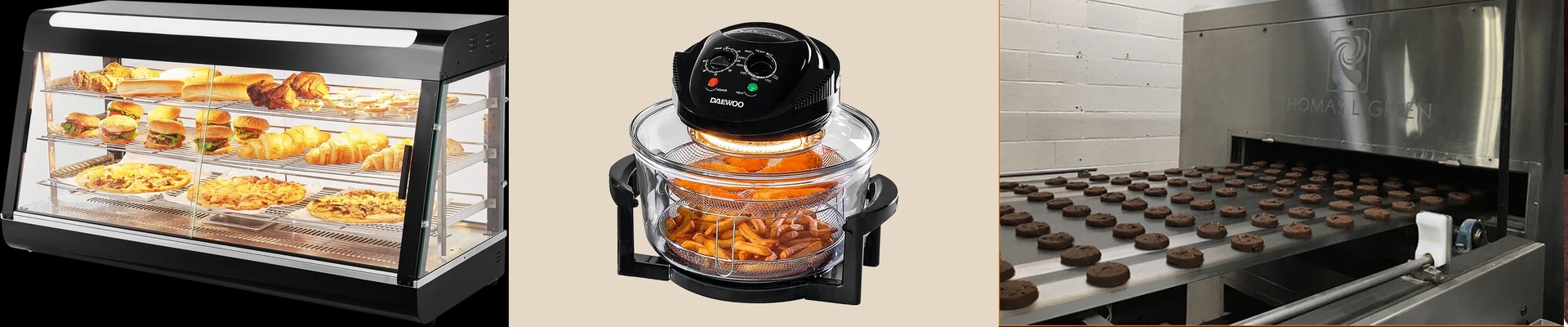
Here’s the thing about a bakery: your timing is the product. One second off, and that delicate pastry loses its perfect texture. So we built carbon fiber heating elements for one reason—to get your oven from zero to 300°C in seconds, not minutes. It flips the whole kitchen script. You don’t wait on the oven anymore. The oven keeps up with the dough.
Why It Heats So Fast (Without the Tech-Speak)
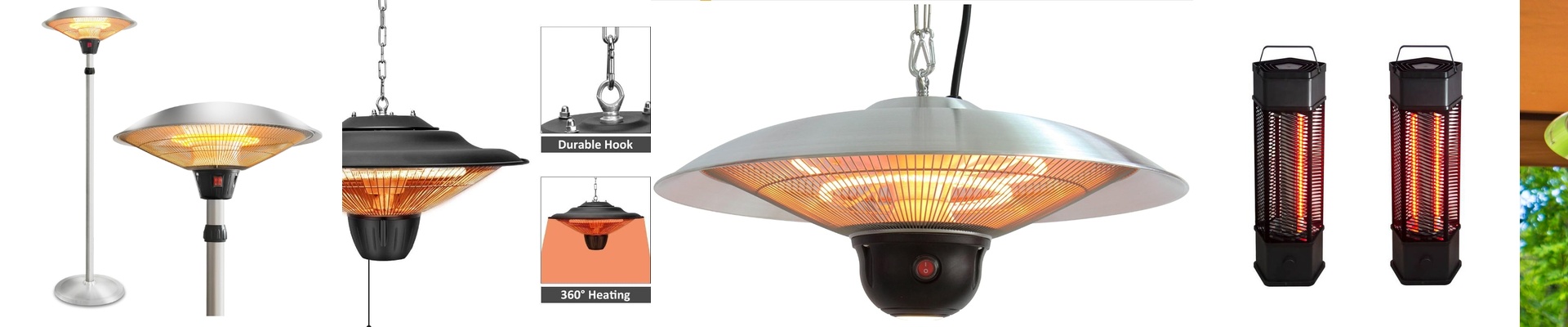
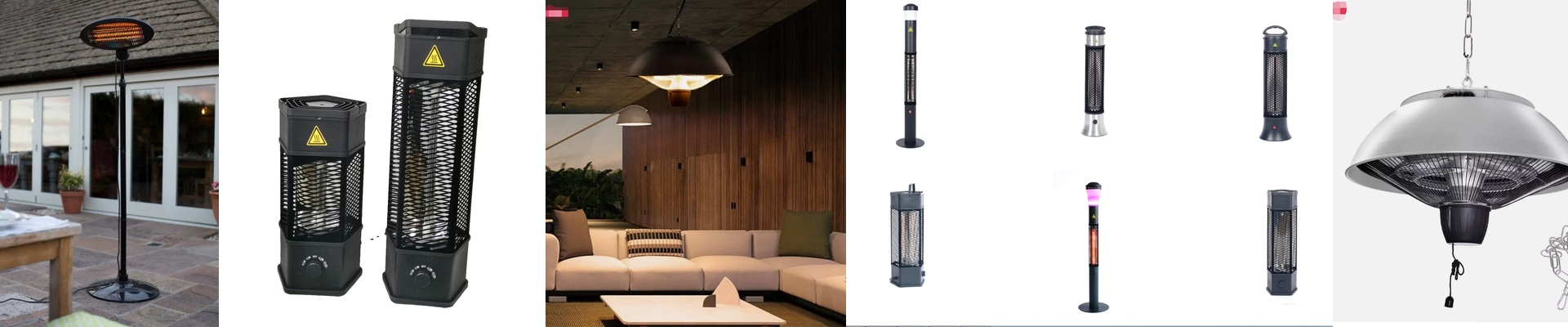
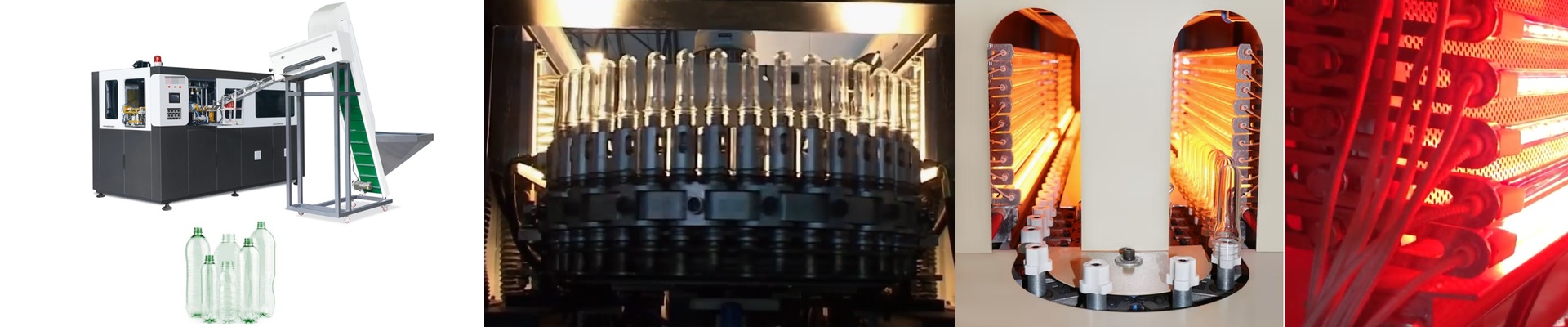
The magic isn’t just raw power. It’s about how quickly the element can turn electricity into heat. Carbon fiber elements release infrared heat almost instantly when you flip the switch. They have almost no thermal mass, so they heat up fast—and cool down fast when the power cuts off. In your oven, that means you get tighter control over those narrow bake windows. Especially for the delicate stuff where seconds really do make the difference between crisp and soggy. When we design these elements, we match voltage and wattage to the oven’s airflow and shape. The element has to hold a steady surface temperature, even after thousands of heat-up and cool-down cycles. If your oven’s controls cycle quickly, the element has to follow without overshooting. But here’s the catch: that responsiveness needs a control setup that can keep up. Your PID tuning and contactor ratings have to match the load. Otherwise, you’ll get temperature swings and shorten the element’s life.
The Material Choice: Built to Take the Heat
We use carbon fiber because it stays stable at high heat. It doesn’t get brittle, and it keeps its electrical integrity through constant cycling. The geometry is designed to spread radiant heat evenly across the oven, so you don’t get hot spots and cold zones that cause uneven browning. We pair the element with industrial-grade connections and mounting hardware that can handle the daily grind—steam bursts, grease, and doors that slam open and shut. It’s built as a drop-in replacement: bolt it in, wire it up, and set your profile. And it’s not just about day one performance. It has to stay consistent after months of production shifts.
What This Actually Means on the Bakery Floor
On the line, the payoff is predictability. Seconds-fast ramp-up means shorter preheats, faster recovery between loads, and setpoints held with tighter tolerance during continuous baking. That cuts idle time and keeps output steady when the line is moving. Installation is straightforward for engineers. The footprint fits common oven chambers, and the wiring follows standard practices. Maintenance gets easier too. The element is built for repeatability, so there’s less drift, fewer surprises, and fewer unplanned replacements. One reality check, though: high heat density needs the right oven insulation and ventilation. If the chamber can’t shed heat, your control components and sensors will run hotter, and that affects long-term reliability. So plan the thermal envelope with the same care you give the heating element.