Introduction
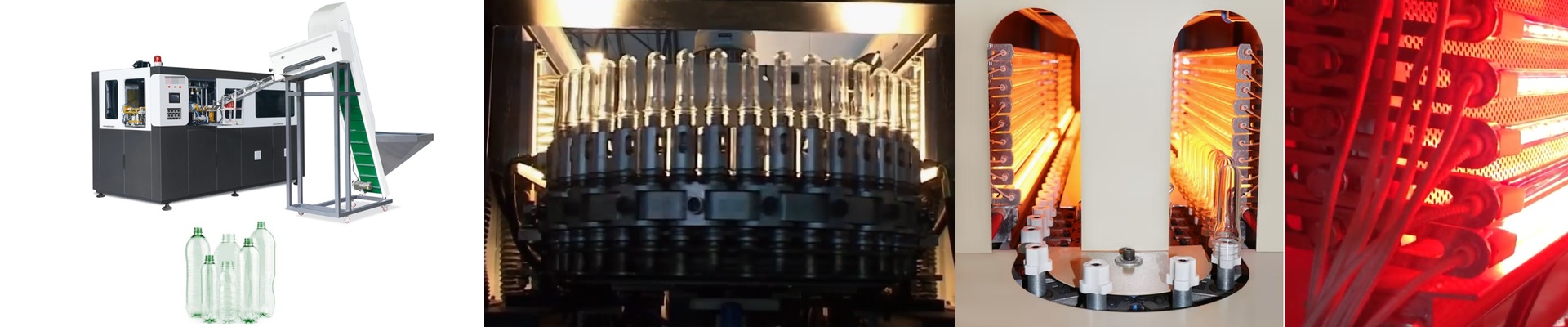
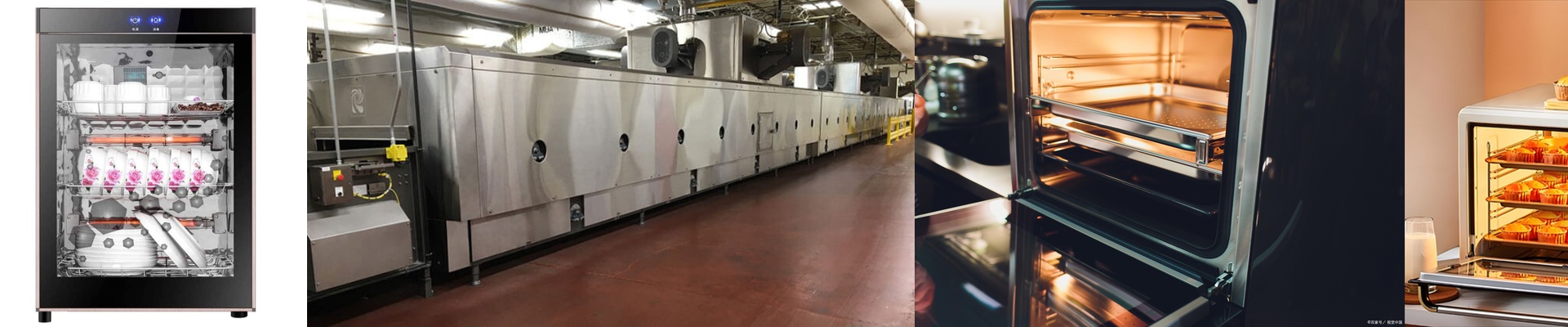
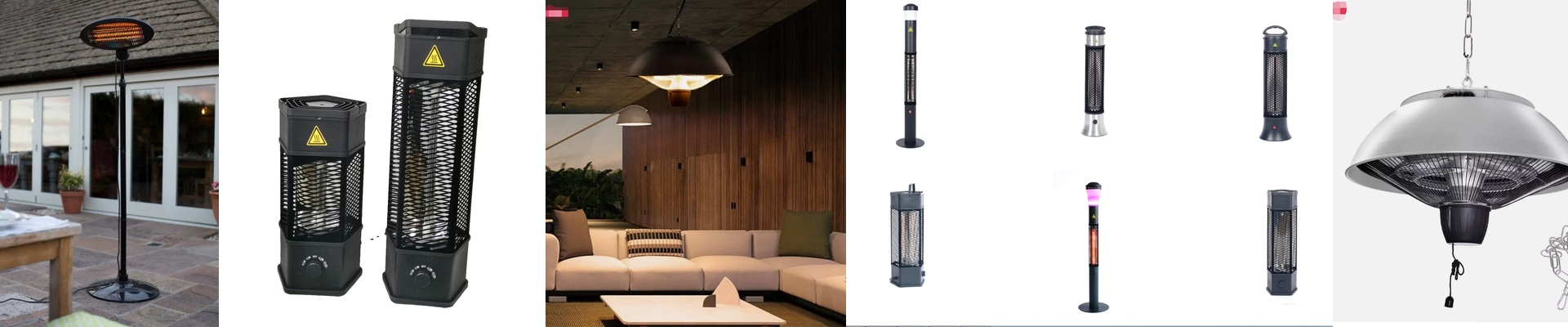
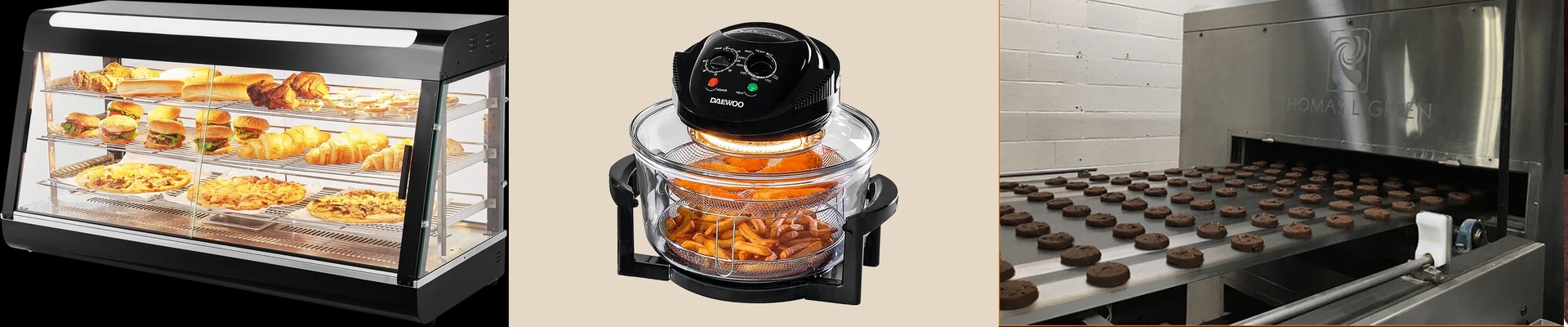
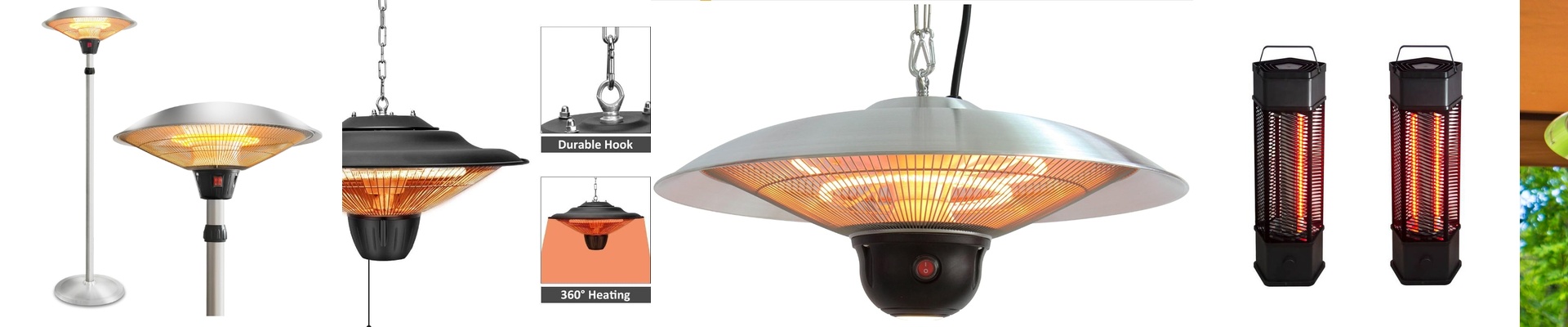
Here’s the thing: we make electric infrared heaters for places like art galleries and museums. Our whole focus is simple—warm the people, not the priceless pieces. Think about it. Traditional heaters blast air around, which dries everything out and kicks up dust. Not ideal. Our infrared units work differently. They send warmth directly to people and objects through radiation, leaving the air completely alone.
How It Actually Works
Infrared heating is all about line-of-sight. You point the unit, and the heat travels in a straight line, just like a ray of sunshine. This lets you carve out little pockets of warmth—say, right at the entrance or along a visitor’s path—without cranking up the temperature for the whole gallery. We build our heaters to be reliable and predictable. We match the voltage and wattage to the building’s electrical setup, so you’re not playing a guessing game. And the design is compact, so you can mount it close to where you need the heat without having to rework the entire room.
The Build and the Brains
Inside, you’ll find a halogen-filled quartz tube. The halogen gas keeps the filament stable, which means it lasts longer and resists burning out. The quartz itself handles rapid temperature shifts and does a great job of letting the infrared energy pass through. Then there’s the R7s connector. It’s the standard for this kind of lamp. It gives you a solid, two-terminal connection that’s easy to wire up and can handle a bit of vibration and expansion from the heat. It’s an industrial fit, built to last—not some flimsy consumer piece.
Why It Matters in a Museum
When you’re protecting delicate artifacts, the biggest rule is simple: do no harm. Infrared heats the people and the surfaces directly, so the air stays still. That means the humidity level stays steady, which helps prevent cracking, warping, or any other moisture-related damage. Now, there’s a practical note. Because the heat is directional, you do need to plan where the beam goes. Anything in its path will warm up, so you’ll want to make sure you’re pointing it away from sensitive pigments and finishes. But once you get the layout right? You get precise temperature control, a system that responds quickly, and a heater that basically takes care of itself. It’s all about protecting what matters.