Built for the Shop Floor, Not the Showroom
We built this infrared heater for one reason: to survive the real world. The kind of industrial spaces where downtime isn’t an option and equipment has to work hard, day after day. The whole point? Give you intense, focused heat—instantly. No waiting around. No constant burnouts that kill your productivity. This is a tool for people who know what they need and won’t settle for anything less.
What’s Under the Hood
Here’s the thing about this heater—it’s all about smart power. It runs on a 400V supply and cranks out 2500W of heat, all packed into a compact 300mm quartz tube. That high voltage lets us pack a serious punch into a small space. You get dense heat, right where you need it. And that 300mm length? It keeps the thermal mass low, so the element hits operating temperature fast. But wait—there’s a trade-off. That 2500W output creates some serious localized heat. So you’ll need to make sure your machine’s cooling and clearance specs can handle the rise in ambient temperature.
Built to Last
We went all-in on materials that can take a beating. The core is a halogen-filled, shortwave infrared design, all housed in a high-purity quartz tube. Quartz handles rapid temperature swings way better than standard glass. It’s tough. It resists thermal shock. That means better reliability and a longer life. And the R7s connector? That wasn’t an accident. It’s industrial-grade, handles high current, locks in securely, and makes replacements quick and painless when maintenance day rolls around. Even the internal filament is engineered to stay stable over thousands of cycles. So you’re not constantly swapping parts. Less waste. Less hassle.
Why It Matters on the Line
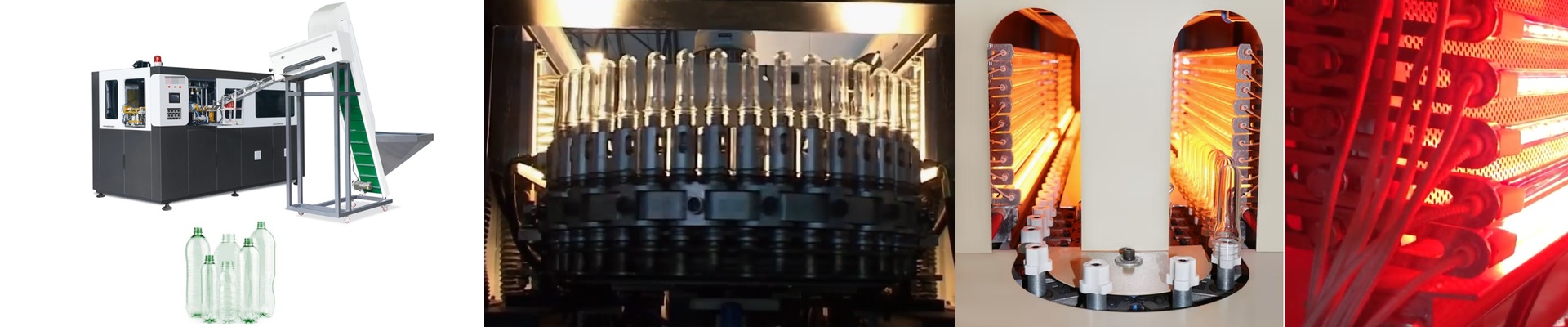
In places like PET blowing or other process heating tasks, speed equals uptime. This heater hits target temperatures fast, so your line never has to wait. And because we used high-cycle materials and a rugged quartz envelope, you’ll see fewer unplanned stops caused by burnouts. When you wire it up, you get predictable heat and consistent performance, cycle after cycle. That’s how we make a zero-waste mindset practical—by building components that last longer, swap in easily, and keep your process moving.