Getting the Heat Right in Your Bathroom
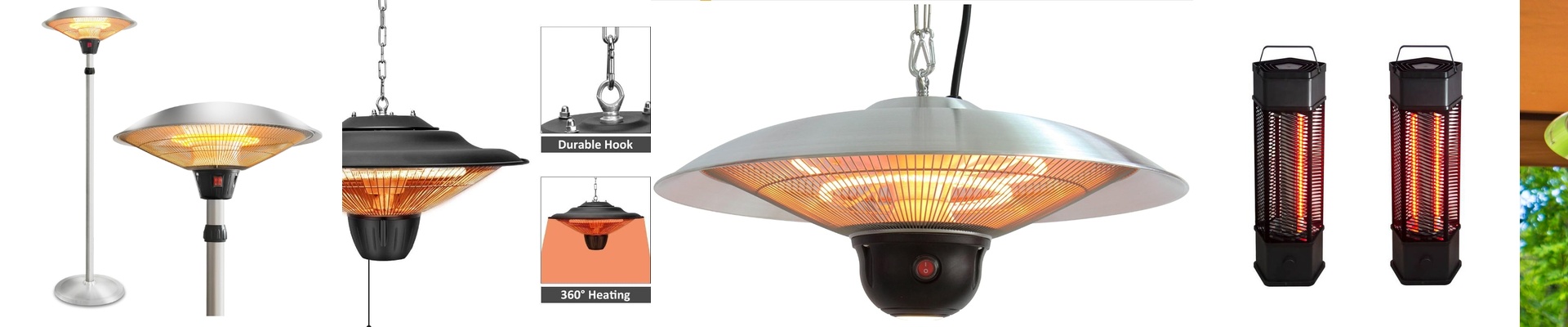
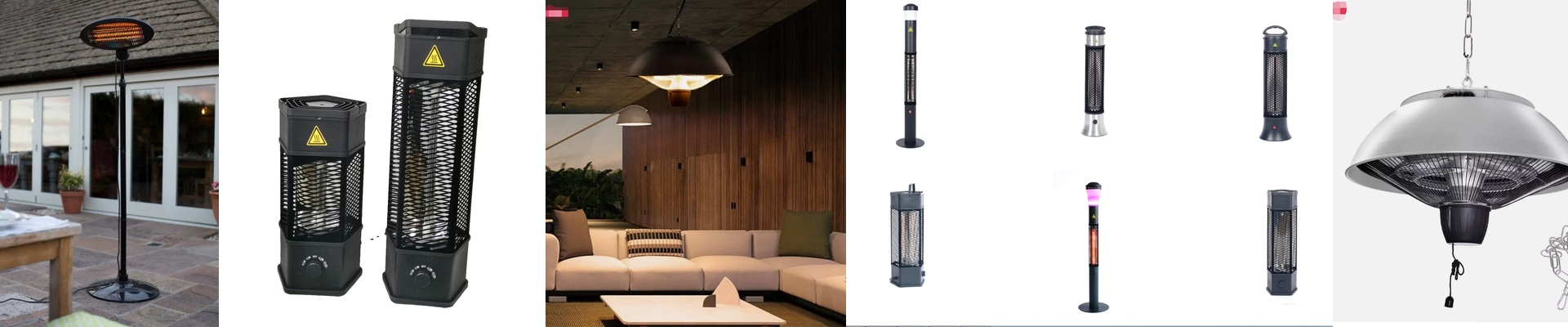
Let’s be honest: nothing ruins a morning faster than stepping out of a hot shower and hitting a wall of freezing air. It’s the worst. The problem is that bathrooms are basically heat traps in reverse. You’ve got cold tiles and porcelain that just soak up every bit of warmth you try to create. If you just try to heat the air, that warmth floats straight to the ceiling, leaving you shivering on the floor. That’s why we use shortwave infrared lamps. Instead of fighting the air, they beam heat directly onto you. It feels like stepping into a patch of sunlight on a winter day.
Finding the Right Power
You can’t just grab any lamp and hope for the best. It’s all about the size of the room. If you’re dealing with a tiny powder room, a 400W to 600W lamp usually does the trick. It keeps your skin warm without turning the room into a sauna. But for a larger primary bathroom, you’re going to need more muscle—likely between 800W and 1200W, or maybe a few smaller lamps spread out. Here is the tricky part: if you go too heavy in a small space, you’ll roast yourself while the corners of the room stay ice cold. Go too light, and the lamp just runs forever, eating electricity without ever actually making you feel warm.
The Trade-offs
Higher wattage means you feel the heat almost instantly. That’s the goal. But keep in mind, those heavy-duty lamps pull a lot of power. If you’re wiring up a few 1000W units, you really need to make sure your breakers and wiring can handle the load. You don’t want to flip the switch for a warm bathroom and accidentally plunge the whole house into darkness. And a quick tip? Use a timer or a thermostat. If you leave a high-wattage lamp running indefinitely in a small room, it’ll eventually get stuffy and uncomfortable.
Making it Work
To get the most bang for your buck, put the lamps exactly where you actually stand. Think about the “danger zones”—right above the shower or by the vanity. By targeting the heat where you’re actually spending your time, you stop wasting energy heating empty air. Just keep an eye on how high you install them; the closer they are to you, the more efficient they’ll be.