

Stop Fighting Your Oven: The Magic of Frosted Quartz IR
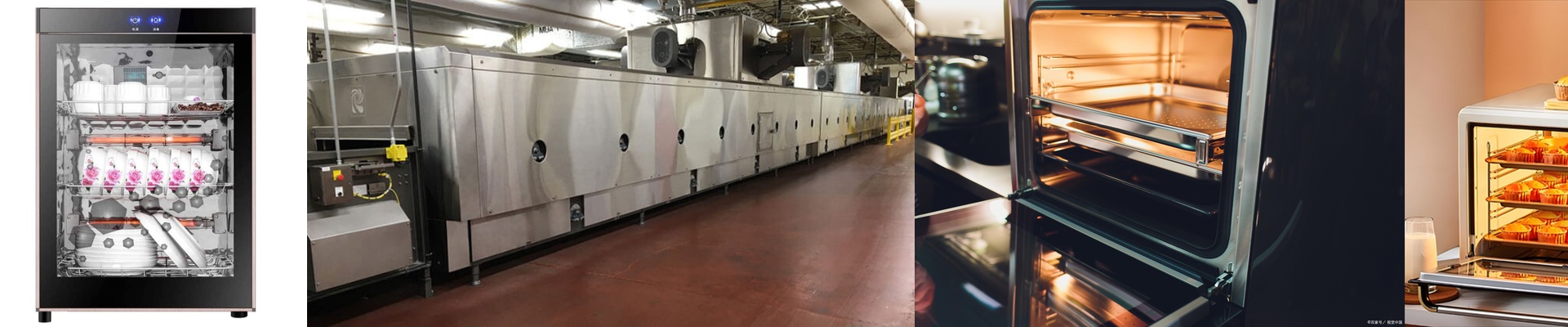
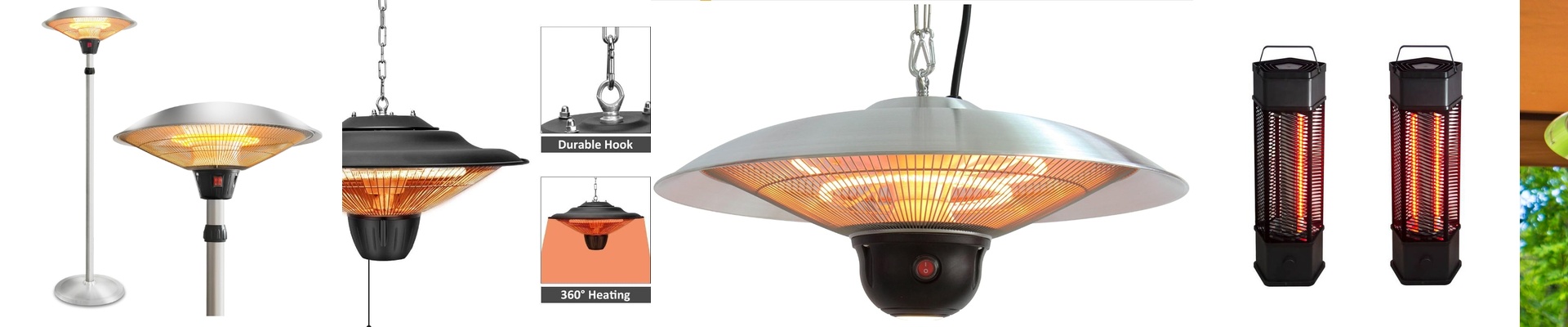
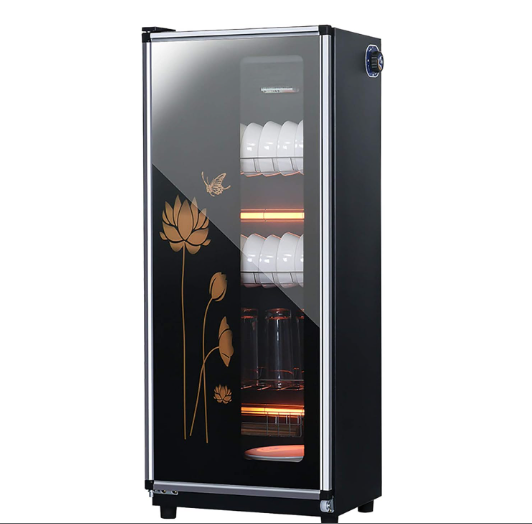
If you’ve ever tried a high-stakes bake, you know the frustration. You set a temperature, but the oven has a mind of its own. It lags. It overshoots. By the time the heat actually drops, your delicate pastry is already ruined. That’s why we stopped relying on old-school heating elements and switched to frosted quartz infrared heaters. The problem with standard coils Think of traditional heating coils like a heavy stone. They take forever to get hot, and once they are, they hold onto that heat long after you’ve turned the dial down. It’s clumsy. Frosted quartz lamps are different. They shoot short-wave infrared radiation straight at the food. The moment you cut the power, the heat stops. Just like that. This gives you a “second-level” response. You can jump from 150°C to 220°C and back again without that annoying lag. It’s precise. It’s snappy. And it means you actually have control over your bake. Why “Frosted” matters You might wonder why we don’t just use clear quartz. Here’s the thing: clear quartz is too aggressive. It creates these intense “hot spots” that scorch your food in one place while leaving other parts pale. The frosted finish fixes this. It scatters the light, spreading the heat evenly across the surface. When you pair that with convection fans, those annoying cold zones simply disappear. Everything browns exactly how it should. A couple of warnings on the build Now, this level of precision comes with a trade-off. Because you’re flipping the heaters on and off so quickly to hit those exact temperature curves, you can’t use cheap mechanical relays. They’ll just burn out. You’ll want high-quality Solid State Relays (SSRs) to handle the workload. Also, a quick tip on the layout: if you’re packing these into a tight array, give your enclosure some breathing room. The heat goes into the food, sure, but the sockets and lamp ends still get warm. If the footprint is too cramped, you risk baking your own control board. Keep it ventilated, use the right relays, and you’ve got a system that actually listens to you.