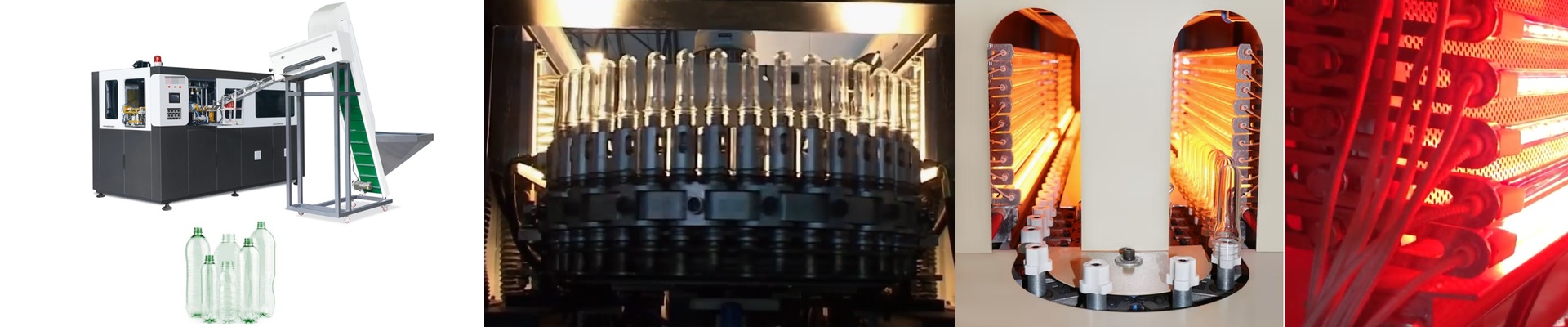
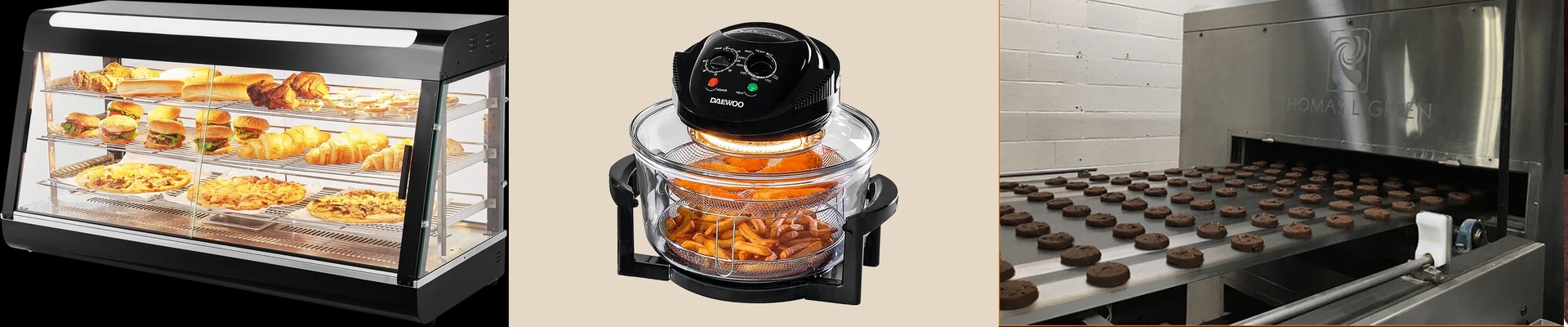
When the tickets pile up and the line won’t quit, the pass is your last line of defense for texture and temperature. A tired lamp makes food cool, sauces skin over, and your staff start guessing at holding times. Swap in a replacement that matches the spec, and you trade that guesswork for repeatable control—right where the plate meets the heat. What matters, under the hood We build replacement heat lamps for professional pass-overs around a quartz infrared emitter. It’s the right choice when the hood is drafty and the environment is harsh, because it heats fast and holds output steady. Pick the voltage you actually run—240V or 208V—and the wattage you need, from 275W to 500W. They use standard G9 sockets and come in compact lengths to drop into tight fixtures. The filament sits inside a sealed quartz envelope, so it takes thermal shock from repeated on/off cycles without blinking. It also handles humidity and grease-laden air better than exposed coils. The output is tuned for warming food, not scorching the surface, so you get even radiant heat without hot spots that dry out proteins or blister sauces. Why this works in real service During a rush, you need heat that responds immediately. Quartz infrared hits target temperature in seconds, so you can bring food back into holding range the moment it’s plated. That means holding temps stay consistent, quality complaints drop, and the pass stays calmer. Energy use stays tight because the lamp delivers heat straight to the food, not the whole room, and the controlled spectrum keeps holding gentle. Out in the field, operators also appreciate the service life: 3,000–5,000 hours is typical, and output stays stable enough that staff can set holding zones without constantly chasing adjustments. A few things to get right Match the lamp to the fixture. Confirm voltage, wattage, socket type, and overall length before you order—mixing specs can leave food underheated or surfaces overheated. These lamps run hot, so keep clearances and shielding intact, and don’t let them contact plastic or thin melamine. For the best performance, run the counter on a thermostat and keep the fixture clean. A film of grease and dust scatters the heat and throws off holding temperatures.