
Introduction
Let’s talk about basements. You know the feeling—that damp chill that clings to you, no matter what you do. Traditional heaters just push warm air around, which doesn’t really help in a space that’s always cold and damp. In fact, they often make the condensation problem worse. So we built something different. A low-power, wall-mounted infrared heater designed specifically for these tough spots. It works by warming surfaces directly, not just the air. That means targeted warmth right where you need it, and it actually helps pull moisture out of the air, too.
The Nitty-Gritty: Power, Plug-In, and Size
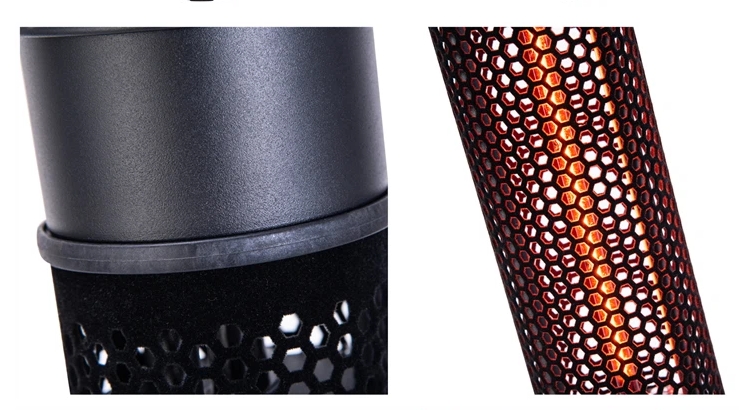
At the heart of this thing is a compact infrared emitter. It’s low-wattage, but it punches above its weight, especially in smaller, enclosed areas. And here’s the best part—it runs on standard mains voltage. So you can wire it up without overhauling your electrical system. It keeps the power draw low, but still delivers enough radiant heat to warm surfaces fast. We kept it small for a reason. The tube is short, the profile is slim. You can mount it on a tight wall without it getting in the way of your storage or workspace. It’s all about putting the heat exactly where you want it, not wasting energy heating empty air.
What’s Inside: The Good Stuff
Inside, the halogen element sits snug in a quartz tube. Quartz is tough—it can handle the rapid heating and cooling without cracking, and it lets the infrared energy pass through cleanly. The halogen fill keeps the filament stable, so the heat stays consistent over the life of the tube. We also added a special reflective coating. It pushes more energy forward, so you get more intensity where it matters, and less wasted heat on the sides. For hooking it up, we went with an R7s connector. It snaps in clean, holds tight even with some vibration, and makes replacing the tube a breeze when the time comes.
Real-World Use: Warmth That Actually Works
In a basement, this heater does two key things. First, it warms up floors, walls, and even stored items directly. No more cold spots. You feel comfortable faster. Second, by warming those surfaces, it lowers the humidity right where it matters. That means your dehumidifier doesn’t have to work as hard. Now, this isn’t meant to heat an entire space. It’s a focused tool for damp, enclosed areas. Just make sure you’ve got proper ventilation, and that your cooling and airflow can handle the extra warmth in that spot. If you’re tired of wrestling with a damp basement and want a simple, mount-and-run solution that keeps things warm and dry, this is it.