
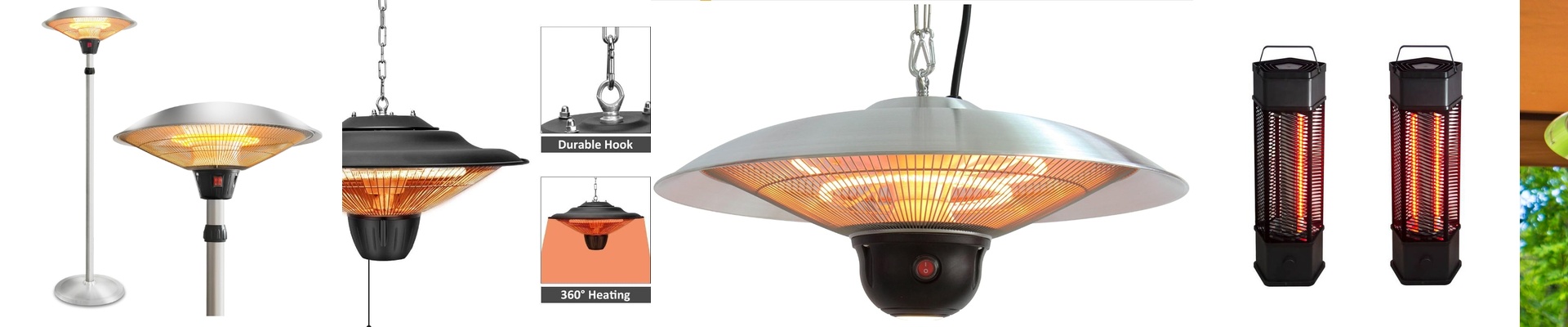
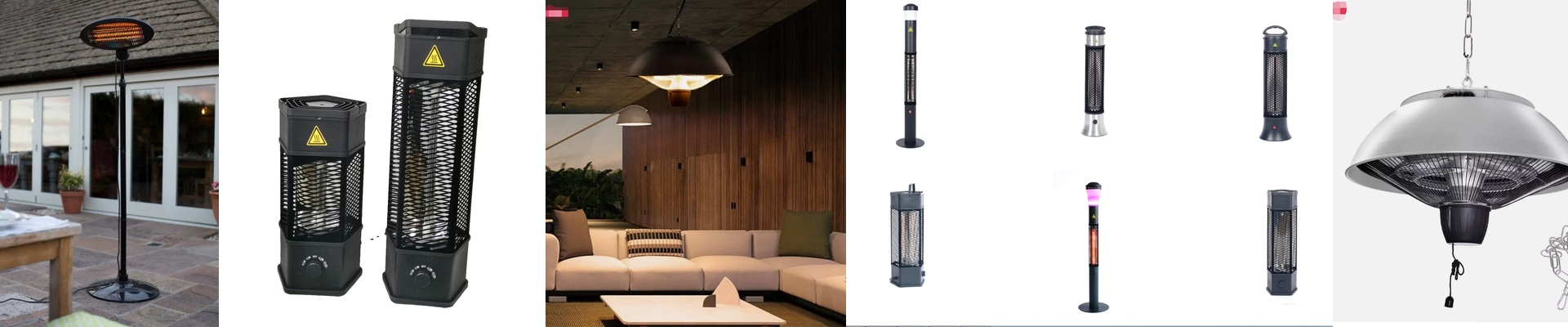
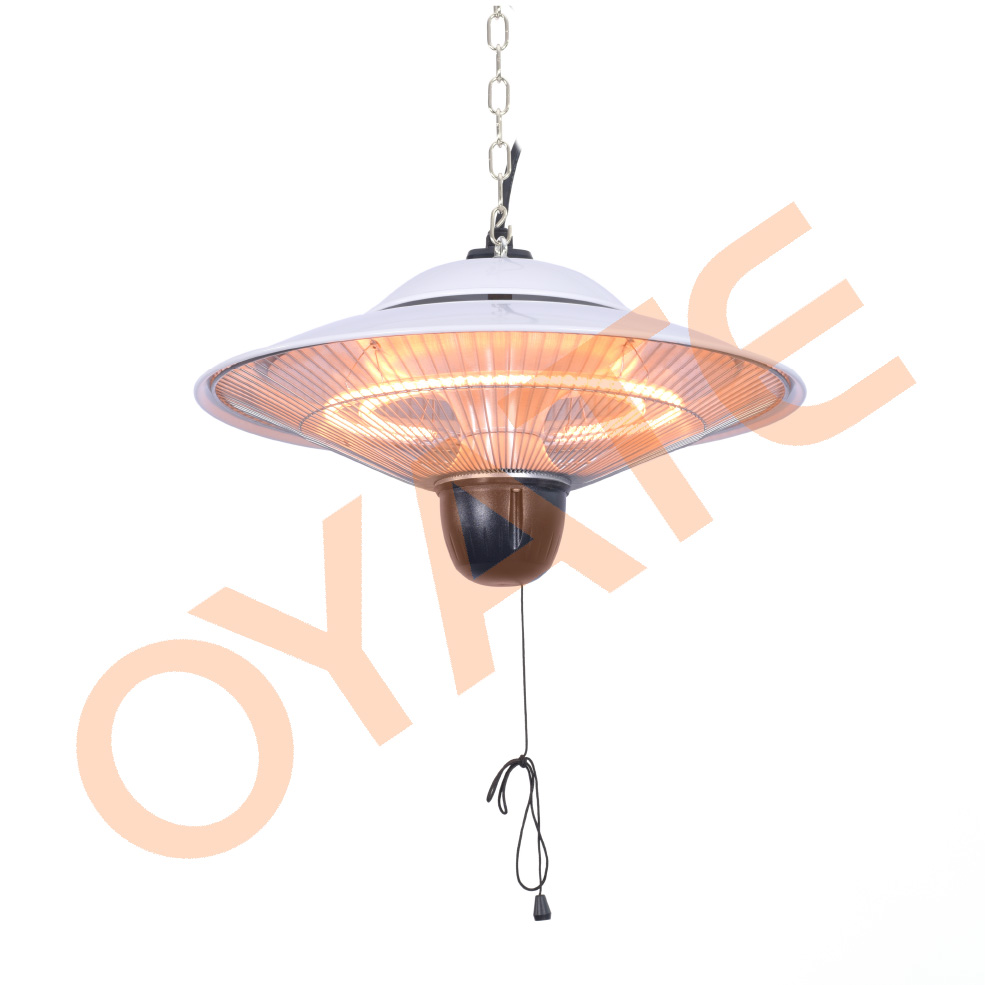
For off-grid families, winter comfort often comes down to one thing: will the power hold until morning? When the sun goes down, a dependable heat source isn’t a luxury—it’s the line between sleeping easy and fighting the cold all night. That’s exactly where an infrared space heater with a dedicated Eco mode earns its keep. What actually matters under the hood Infrared warmth doesn’t work like a standard electric heater. It delivers radiant heat—warming people and objects directly instead of trying to heat the whole volume of air. Our Eco-mode infrared heater uses a carbon fiber element and a built-in thermostat to modulate output, cycling between 400W and 800W. The payoff is low energy draw without sacrificing comfort. In practice, you can run it for hours on a modest battery bank and not drain the system. Why this approach fits off-grid living When you pair it with a solar photovoltaic setup, you’re directly supporting energy independence. Because the heater targets people, not the air, you feel warm at lower ambient temps—often 3–5°C lower than what a convection heater needs. That translates to fewer kilowatt-hours each evening. For many off-grid homes, that efficiency can push winter energy self-sufficiency above 90%, depending on array size, battery capacity, and how you run things. The upside is quieter operation, fewer hours on a noisy generator, and a living space that stays genuinely cozy. Solar compatibility comes down to your inverter and wiring. Use a pure sine wave inverter and keep the load within your battery’s continuous rating. Most units plug into a standard outlet, but on larger systems, hardwiring with proper protection is cleaner. A practical heads-up: infrared heat is directional, so aim the heater to cover the main seating area. Keep the unit dry and protected from the elements—look for a suitable IP rating for outdoor use, and follow clearance requirements to surrounding materials.