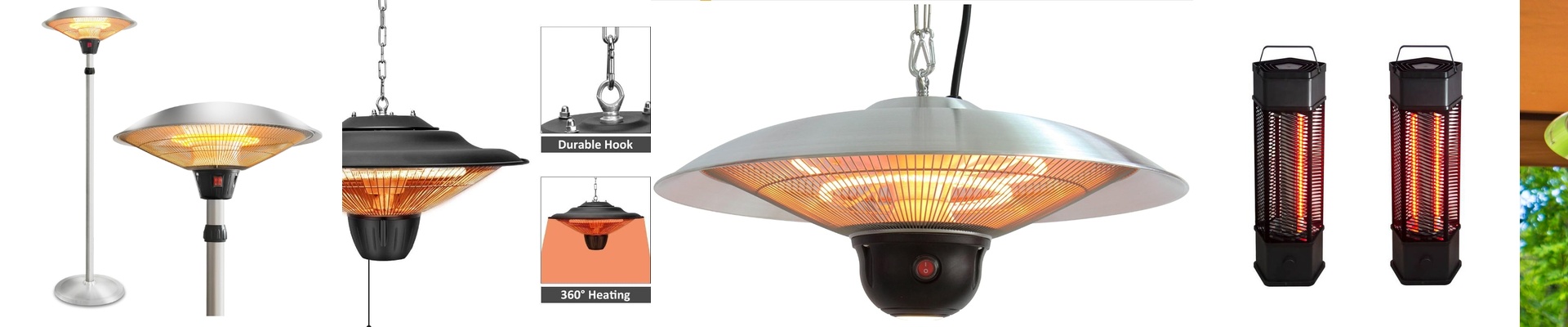
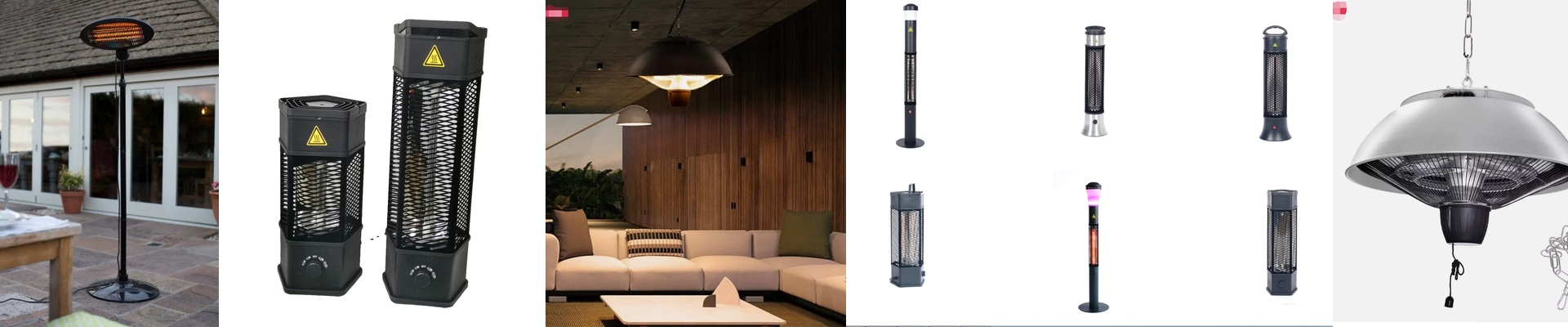
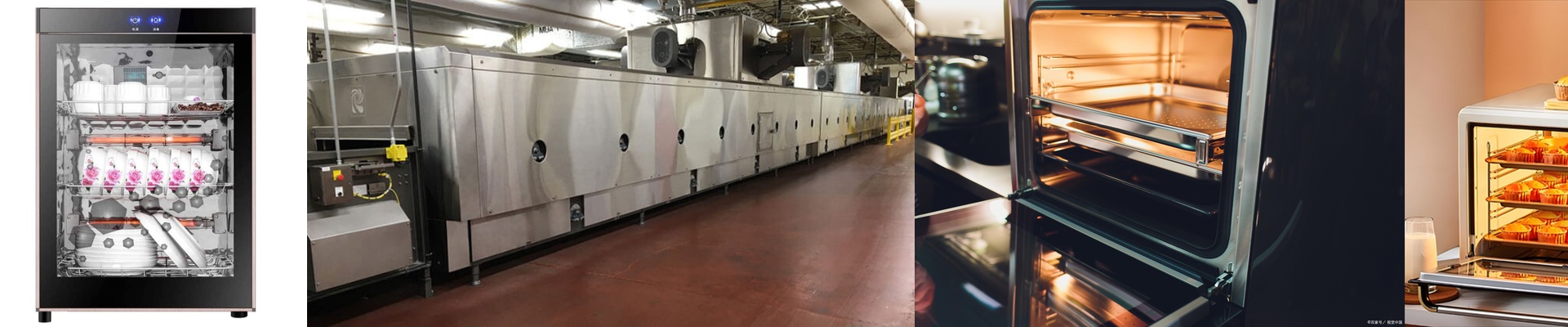
From coffee shop terraces to train station platforms, the real issue isn’t just warmth—it’s dryness. Damp feet shed heat fast, and that clammy, cold feeling sticks around long after the coffee is gone. A shoe dryer heater solves this the practical way: short-wave infrared radiant heat that evaporates moisture quickly and restores comfort without trying to heat the whole air.
What matters under the hood
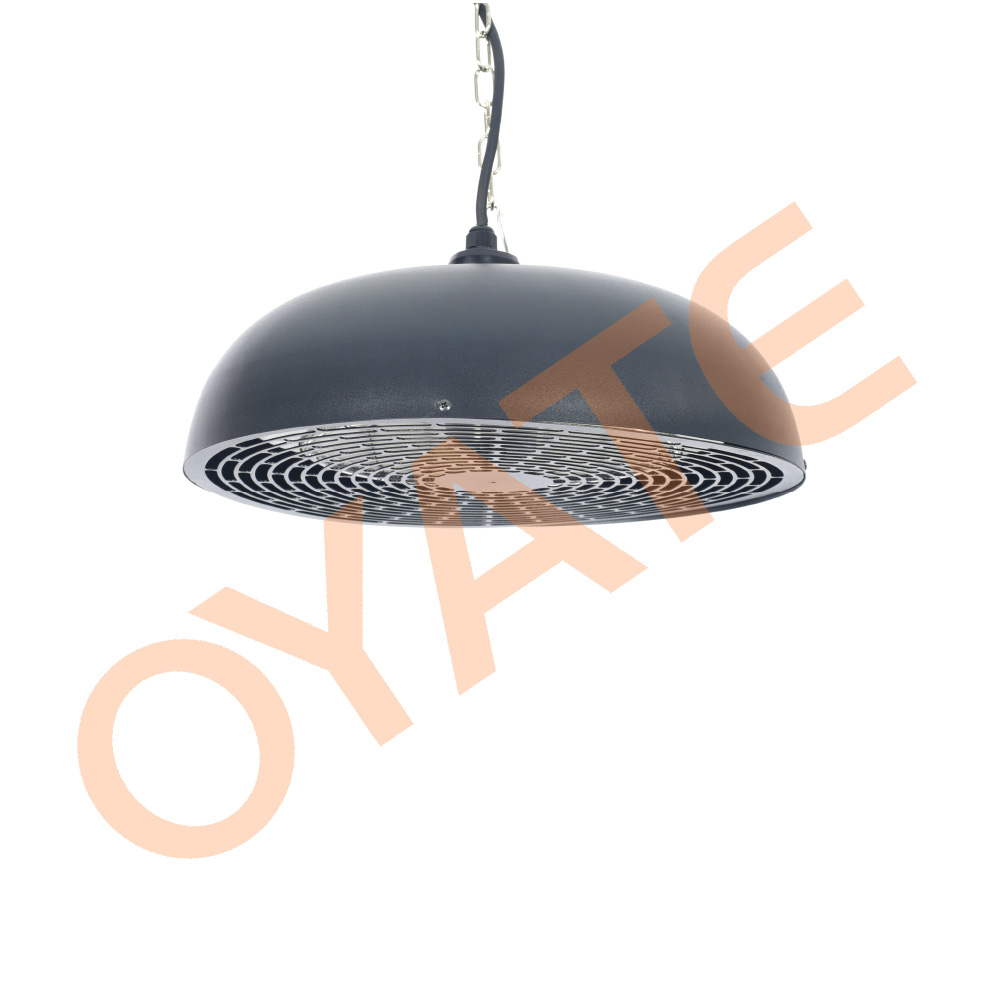
We build these around short-wave infrared quartz elements that put the heat right where you need it. Most units run on 120V, drawing roughly 400–600W, so they plug into a standard outlet without straining the circuit. A reflector directs the warmth into a controlled zone, drying shoes evenly while the outer shell stays cool enough to touch. Inside, a thermostat holds the temperature steady, and tip-over protection shuts the heater off if it gets knocked over.
Why this approach fits real-world spots
In busy commercial and transit areas, comfort has to be quick and repeatable. Infrared warmth dries footwear in minutes, not hours, so staff and customers can keep moving without waiting around. Because the heat targets the shoe instead of the whole room, you’re not wasting energy and turning the air stuffy. You end up with fewer chilled feet, better focus, and a more welcoming feel—especially on damp, windy days.
Practical details that make the difference
Placement matters. Keep the heater 6–12 inches from the shoe opening for even drying, and don’t cover the unit or block airflow. These are built for footwear and personal comfort, not for drying heavy gear or large surfaces. The shell stays relatively cool, but the quartz element gets hot—so set it on a stable, level spot with clear clearance. If you want a tidy setup that’s always ready, pick a model with a dedicated stand or mounting option.