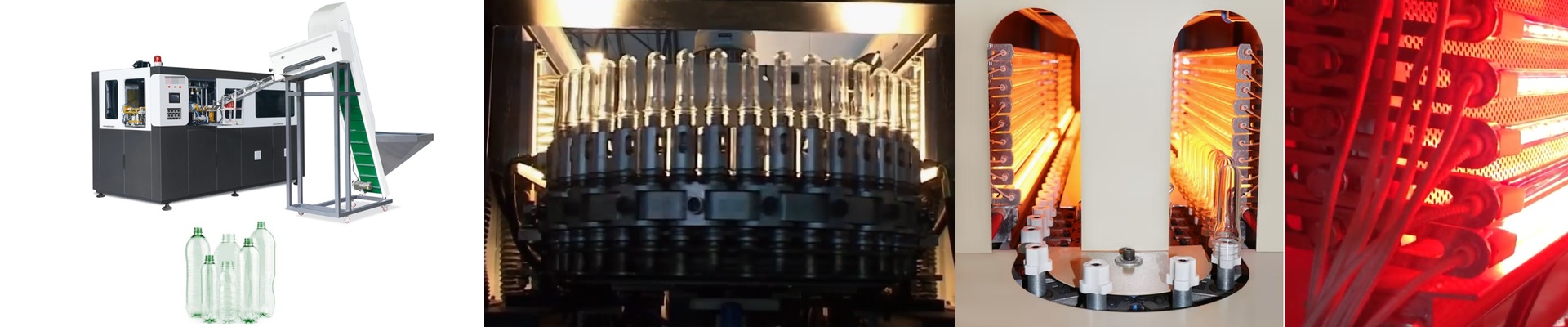
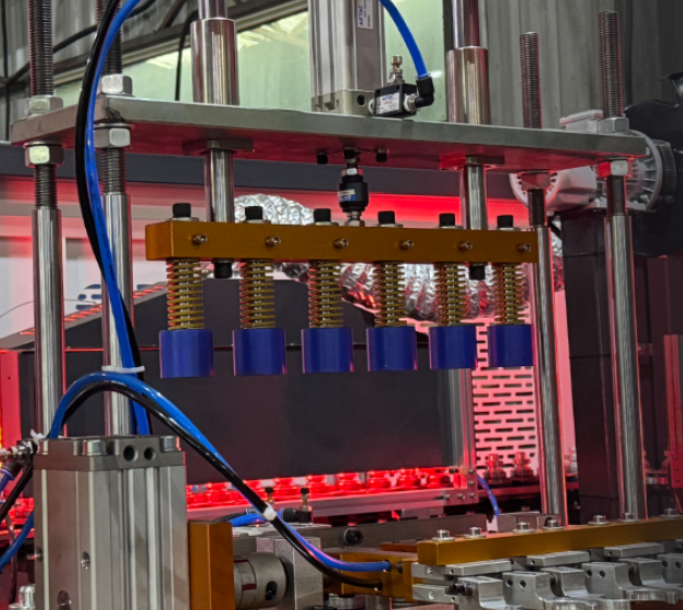
On the blow molding line, preform heating is the first bottleneck in stretch blow molding. When the heater tube doesn’t pull its weight, you end up with uneven wall thickness, crystallized necks, or bottle weight that drifts. Then the whole line slows down just to chase temperatures. We built the PETC bottle blowing heater tube as a direct replacement. It matches your machine 1:1, so the heating tunnel behaves exactly the way the OEM intended. No guesswork. What matters in the real world is energy delivery and repeatability. We use short-wave infrared quartz emitters in standard PETC lengths, spec’d to the voltages and wattages you see across Sidel, Krones, SIPA, Husky, SACMI, and Nissei ASB machines. The R7s connector interface is held to the same tolerances as the original, so you can swap a lamp in minutes. No rewiring. No re-engineering the reflector path. The point is stable output: the preform surface temperature stays within a tight window, so the blow molder sees consistent stretch and fewer leak-test rejects. Here’s the simple truth: the heater tube is a wear part, and downtime is expensive. With a spec-matched PETC tube, you restore the designed heat profile without touching the machine settings. That means faster recovery after a lamp change, fewer temperature alarms, and a cycle rate you can count on. In practice, teams see lower scrap and more stable bottle weight. Energy use stays in line with the original blow molder design because the emitter output matches the reflector geometry. A shop-floor note: infrared heater tubes are sensitive to clean mounting and reflector condition. Install with clean hands, verify reflector alignment, and confirm voltage at the lamp socket. Mismatched voltage or a tarnished reflector will skew preform temperature, even if the lamp itself is correct. If you’re running 24/7, keep a spare on the shelf. A planned swap beats an unplanned stop every time.