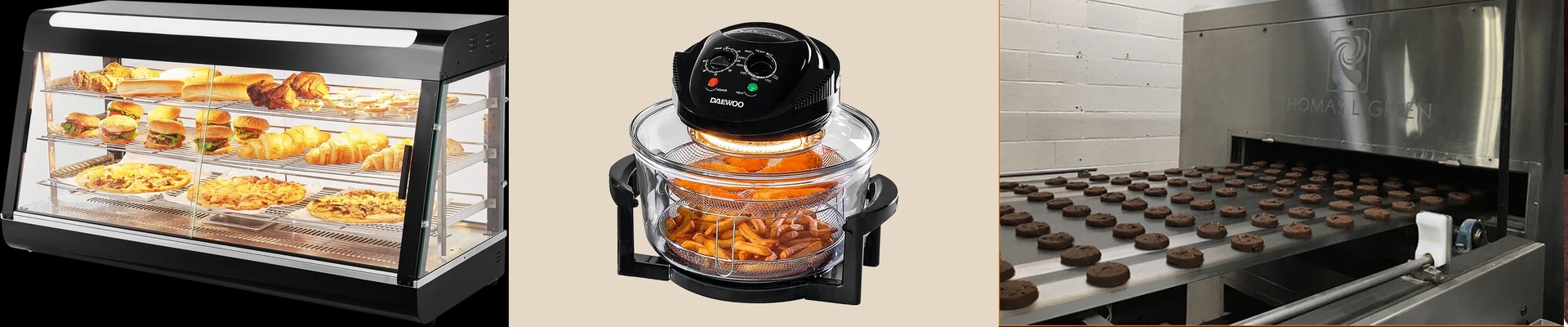
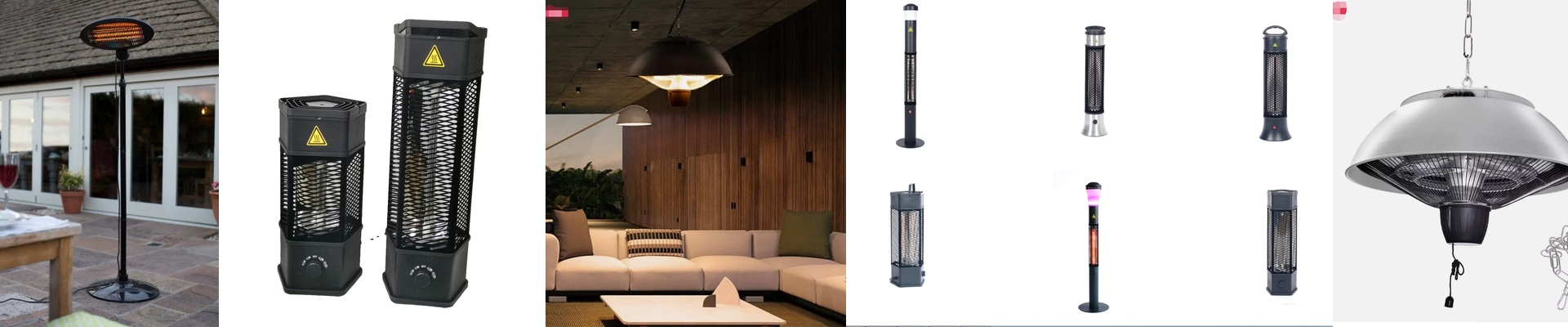
When your front-of-house display case is the last line of defense for product that has to look as fresh as it tastes, slow or uneven heat quietly eats your margins. Fogged glass. Tops that dry out. Temperature swings from tray to tray. That’s not just an appearance problem—it changes texture and shortens shelf life. In the middle of a rush, you need heat that hits immediately and holds steady, without the thermostat chasing itself.
What actually matters under the hood
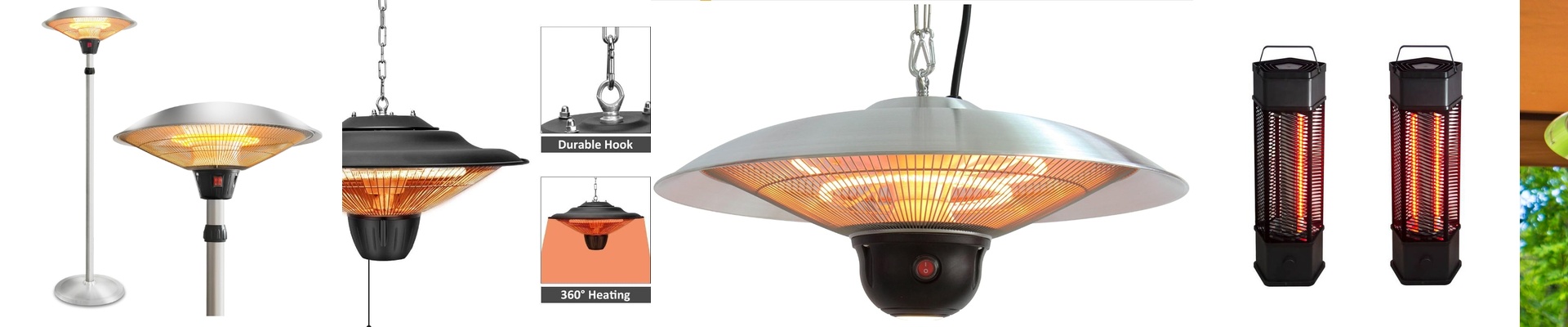
Ceramic infrared heaters throw heat as radiant energy, not by warming air. The energy goes straight into the surface, so product heats faster and more evenly across the pan. Infrared response is immediate—full output within seconds of power-up. That means the case comes back to holding temperature fast after loading, or after the door gets opened and closed all service long. Precise control comes from how tightly the heater couples to the product line. You’re not wasting time heating empty space, and the control loop gets a cleaner, quicker signal. The payoff is stable holding temps with far less overshoot, and surface warmth that keeps crusts crisp and toppings glossy.
Why this is the right move for display holding
A food display case is about holding, not heavy browning. So control and uniformity beat brute heat. Ceramic infrared elements lay down even radiation across the width of the case, cutting down hot and cold spots that lead to spotting, weeping, or one side of the tray drying out. That fast response also keeps your replenishment moving. When you reload, the case recovers quickly—no long warm-up that holds up service. Energy use drops because the heater spends less time heating air and more time putting useful heat into the product. Less cycling also keeps temperatures steady, which means fewer rejected trays and more consistent quality from the first serve to the last.
What you need to get right on install
Install is straightforward, but clearance is not optional. Ceramic infrared heaters need the correct spacing to the product and to the reflectors so the radiation distributes evenly and the element stays within its rated temperature. They also perform best when paired with a controller that understands infrared dynamics. If the thermostat is tuned for air heating, you can still get temperature swings. Plan for clean, dry power and proper mounting hardware. Then confirm the case’s internal dimensions and voltage match the heater’s specs before you button it up.