
A sunroom is a great idea—sun all day, stars at night. But when the mercury dips, that wall of glass works against you, bleeding heat as fast as you can make it. The chill creeps in, and the room becomes a no-go, no matter how hard you try to warm it up. Traditional heaters lose that fight, because they warm air that just vanishes through the panes.
What matters, technically
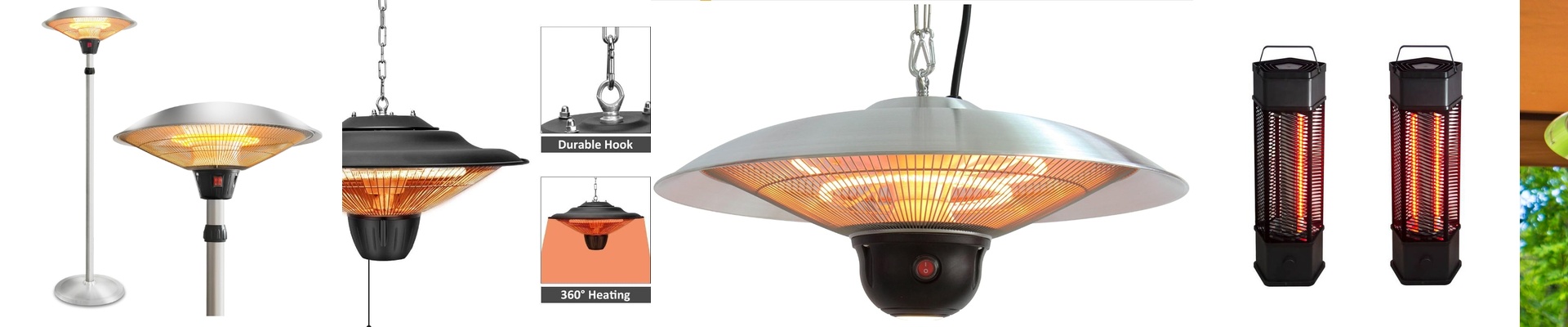
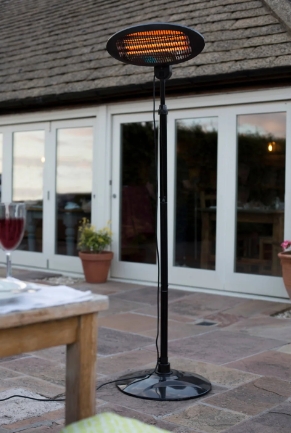
We design long-range patio heaters around infrared radiant heat, not warm air. At the core you’ll find a carbon fiber element or a quartz tube delivering short- to medium-wave infrared warmth. That energy travels in a straight line, heating people, floors, and furniture directly—just like the sun does. We tune the output for reach, typically 1500W to 3000W, so you get warmth in the far corners of a loft or sunroom without it fading out. A built-in thermostat holds the set temperature steady. And the safety basics are non-negotiable: tip-over protection and an overheat cutoff come standard. If you’re heating a space that sits right next to the outdoors, match the IP rating to the exposure—moisture and dust are the usual concerns.
Why this works in glass-heavy rooms
In a loft with big glass surfaces, air-based heat is wasted the second it hits the windows. Infrared warmth skips the air and lands on what matters—people and surfaces. You feel the comfort within moments of switching on, and the heat stays where you want it: on you, not on the roof or the panes. Because the heater doesn’t rely on moving air, you don’t pay as dearly for heat loss through ventilation and cracks. The payoff is a room you can actually live in—stable temperatures, lower running costs, and far fewer cold spots.
The details that make the difference
Infrared heat is directional, so placement matters. Mount the heater to cover the main seating area and keep direct line-of-sight glare off people’s eyes. In sunrooms with high ceilings, aim the beam so it reflects off walls or the ceiling for broader spread. Plan for even coverage in large rooms—infrared is efficient, but it creates localized warmth. Make sure the circuit can handle the wattage, and keep the required clearances clear so the unit runs safely.