Fixing Those Annoying Hot Spots in Your KHS Blow Molding Lines
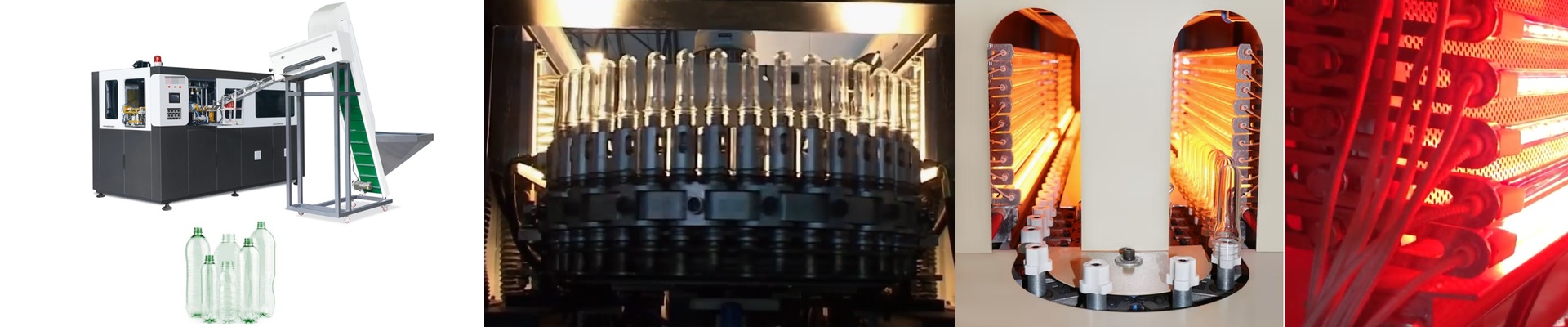
Ever look at your PET preforms and see those weird thin spots or that cloudy “pearlescence”? It’s frustrating. Usually, it just means your heat distribution is off. When your heat field isn’t hitting the preform evenly, the plastic doesn’t stretch right, and you end up with structural defects that can ruin a whole batch. We’ve spent a lot of time fixing this. We built a line of replacement quartz lamps that slide right into KHS footprints, but they’re designed to actually keep the heat uniform. The Power Side of Things Here’s the thing: KHS setups are picky. You need a very specific balance of voltage and wattage to get the infrared flux just right. Our tubes are built to handle high-voltage loads—we’re talking 400V—so they can push the necessary wattage without blowing a circuit. It gets the preform to that glass transition temperature fast. Just a heads-up, though: make sure your cooling fans are up to the task. If they can’t handle the heat load, you risk warping your oven housing. Better Glass, Better Fit We use high-purity quartz because nobody wants to deal with premature burn-outs. Inside the tube, there’s a halogen cycle that keeps the filament centered. This stops that annoying “droop” that happens over time and kills your heat uniformity. And we didn’t mess around with the connectors. We use standard R7s or Sk15. They fit tight. That’s important because a loose connection creates resistance, and resistance leads to arcing. Before you know it, you’ve got melted sockets and a downed line. Real-World Use These are direct replacements for OEM parts. We tweaked the filament winding and the coating to get a flatter thermal profile. What does that actually mean for you? It means you spend way less time fiddling with the oven zones. One last tip: be careful when you’re installing them. These tubes have tight tolerances, which means they’re sensitive. If you touch the quartz with your bare hands, the oils from your skin create a hot spot. That’s a fast track to a burst tube. Use gloves, keep them clean, and you’re good to go.