
Getting Your Sidel Matrix Lamps Just Right
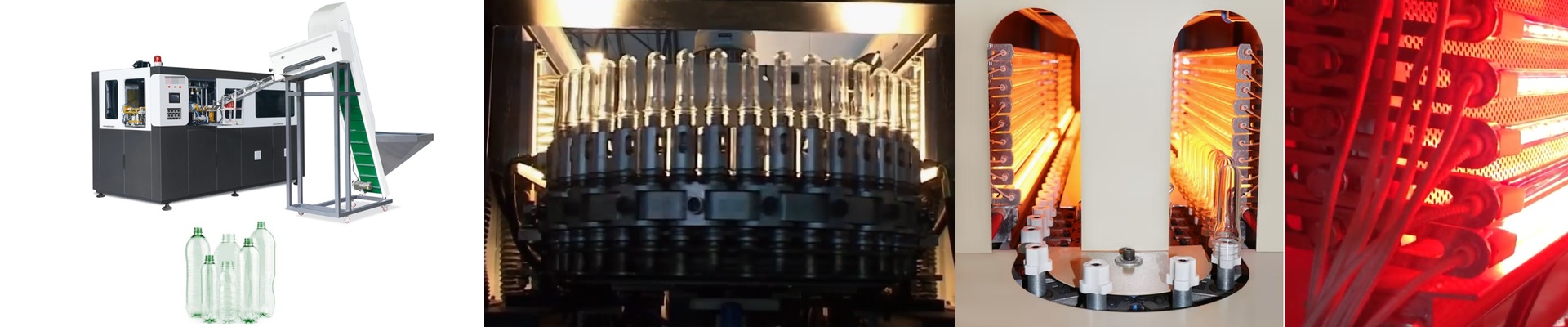
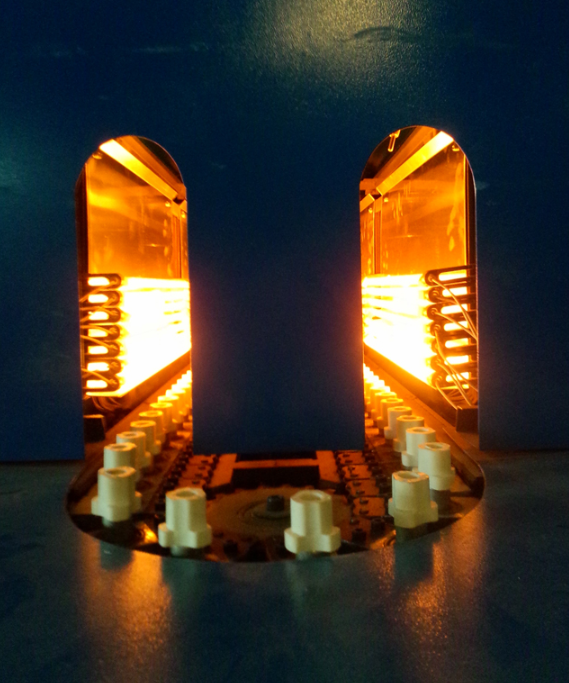
If you’re running a Sidel Matrix machine, you already know that hitting the right temperature isn’t just about cranking up the wattage. It’s a balancing act. If your heating curve is off, you end up with thin spots in your bottle walls. It’s frustrating, it wastes material, and it’s a headache to fix. That’s why we build our SBO-compatible lamps to be a mirror image of the factory specs. No guesswork. The nitty-gritty of the heat curve Here is the thing: PET blowing is all about how that infrared radiation hits the plastic. We obsess over the voltage and resistance of our filaments so they match the SBO originals exactly. Why? Because if your wattage spikes or drops by even 5%, you’re in trouble. You’ll either end up with a preform that’s too cold to blow or one that’s literally burning. We focus on the ohms-per-centimeter ratio to make sure the heat is steady and even from one end of the tube to the other. Quartz, coatings, and the “sweet spot” We use high-purity quartz because these lamps take a beating with constant rapid heating and cooling. Plus, we use a halogen cycle to stop the filament from evaporating too fast. It just makes the lamps last longer. The coating is where most people trip up. If it’s too thick, the IR energy can’t get through. Too thin, and you lose the focus you need to hit that “sweet spot” on the preform. The best part? They’re drop-in replacements. Whether you use R7s or Sk15 connectors, they slide right into your existing sockets. No rewiring the oven, no fuss. A quick reality check Shortwave lamps put out a massive amount of heat. That puts a lot of pressure on your cooling blowers. If your fans are clogged with dust or starting to fail, even the perfect lamp will overheat your preform. And don’t try to fix that by lowering the power—that’ll just kill your cycle time and slow everything down. Just keep your reflectors clean. It keeps the lamp’s footprint efficient and your production moving.