Stop Overpaying for Your Krones Contiform Lamps
Let’s be honest: keeping a Krones Contiform line running is expensive. Between the electricity and the upkeep, the bills add up fast. But the real killer? The OEM heating lamps. When those tubes burn out, the cost of replacing them with “official” parts can absolutely wreck your margins. It feels like a shakedown. That’s why we make drop-in replacement heaters. They hit the exact same specs as the name-brand stuff, just without the ridiculous markup.
Getting the Heat Right
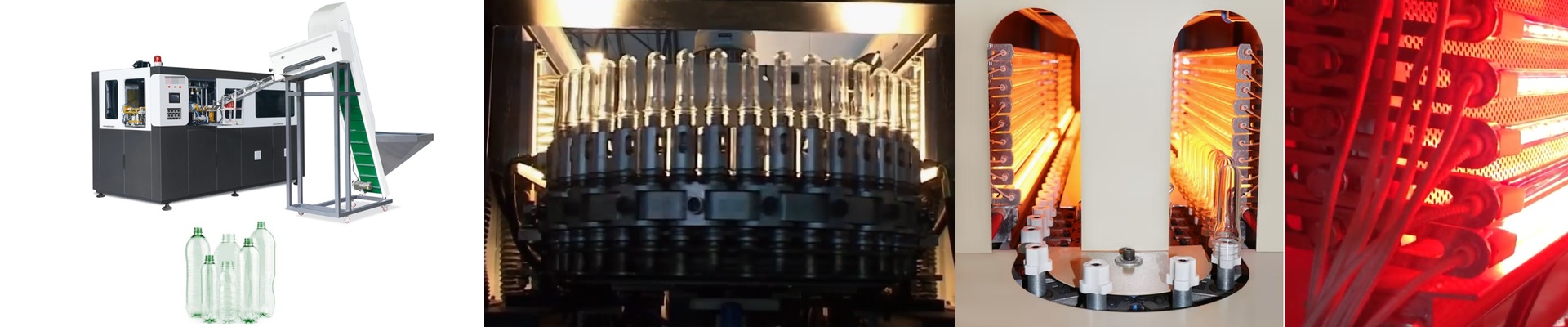
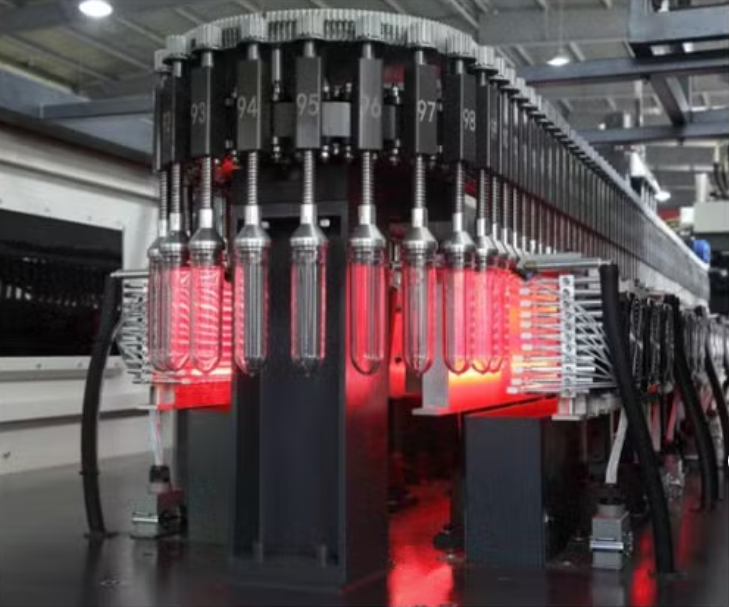
Blow molding PET is a balancing act. You need enough infrared energy to soften the preforms, but if you overdo it, you’re just scorching the plastic. We obsess over the wattage and voltage ratios because that’s what keeps your thermal profile steady. High-wattage tubes are great for fast cycle times, but you’ve got to be careful. If your wiring can’t handle the draw or your ventilation is lacking, those filaments are going to pop way sooner than they should.
The Details That Actually Matter
We use high-purity quartz glass. Why? Because it lets the IR energy through without fighting it. Depending on your setup, we also offer coated tubes. These shift the heat so it actually penetrates the PET wall instead of just baking the surface. Then there’s the fit. This is where most cheap lamps fail. If a lamp doesn’t seat perfectly in the socket, you get arcing. That leads to burnt-out contact pins and a lot of frustration. We use standard R7s or Sk15 connectors with tight tolerances. They click in. They stay put. They work.
The Real-World Trade-off
You might be wondering if switching to a more affordable option means you’re losing performance. Short answer: No. You get the same heat and the same footprint. The only real difference is the warranty. You won’t have that big OEM contract backing you up, but the amount of money you save per unit usually makes that a non-issue. One quick tip:Replace your lamps in full banks. Don’t just swap one out as it dies. If you mix old tubes with new ones, you get uneven heating zones. That leads to wonky wall thickness in your bottles, and nobody wants that.