Fixing the “Cold Spot” Problem in Rotary Ovens
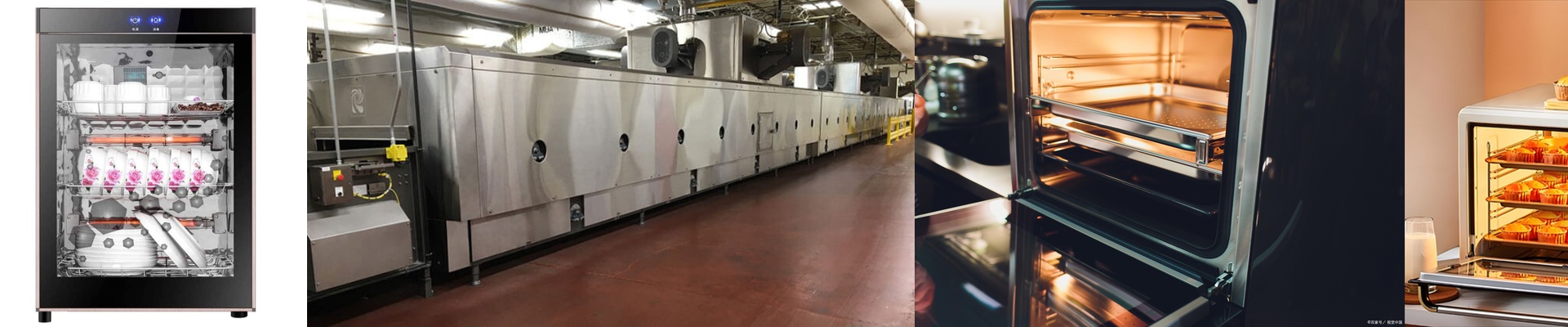
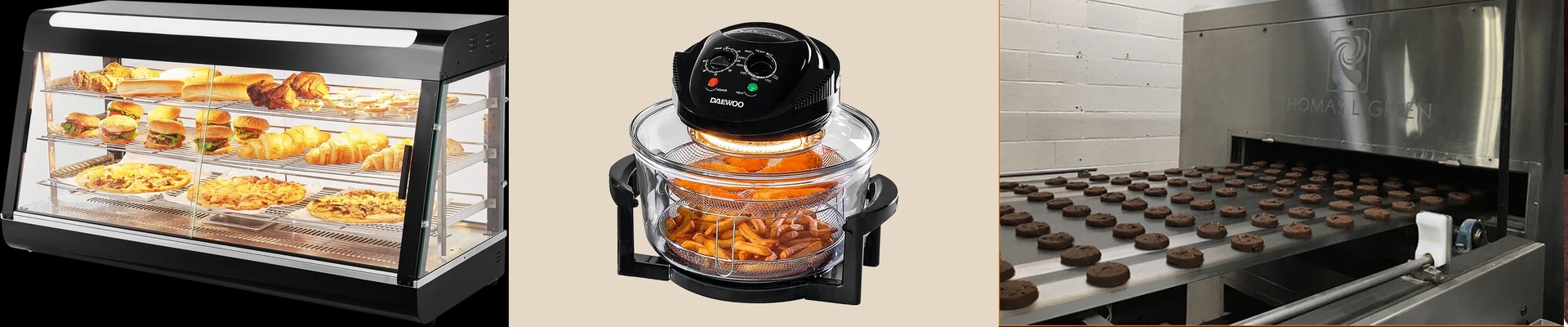
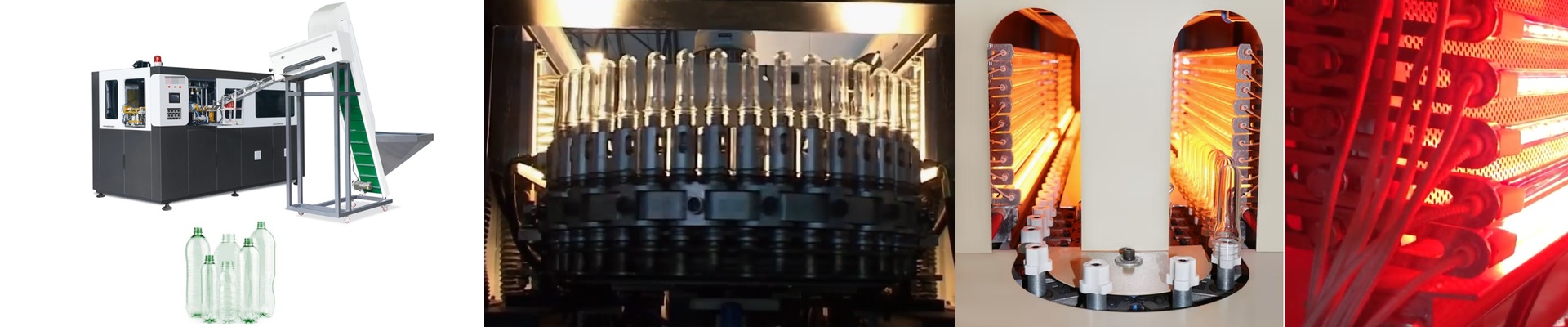
If you’ve ever pulled a rack of food out of a rotary oven only to find the middle is raw while the edges are burnt, you know exactly how frustrating it is. Relying on hot air alone just doesn’t cut it. The air swirls around, but it often misses the center or the bottom. To fix this, we stopped relying solely on convection. We started putting infrared (IR) heat tubes right into the oven chassis. It’s basically direct heat that hits your food instantly. How we get the heat everywhere We don’t just throw a couple of lamps in there. We stagger them in a specific pattern around the axis where the rack spins. Here’s the thing: air has to travel, but IR waves move in a straight line. By overlapping these “cones” of heat, we make sure that no matter where a tray is sitting as it rotates, it’s getting hit by those photons. No more dead zones. Just an even, golden brown across the board. The gear under the hood We use high-wattage quartz glass for these tubes. Why? Because they can handle being turned on and off rapidly without cracking. They hit peak temperature almost the second you flip the switch. You need a lot of power here. If the wattage is too low, the rack spins faster than the heat can soak in, and you’re right back to having uneven browning. It’s all about that thermal density. Keeping things running Now, commercial kitchens are messy. Grease is the enemy. When oil splashes onto those quartz tubes and bakes on, it creates a crust. That crust acts like a blanket, trapping heat inside the tube until it eventually overheats and pops. Keep them clean, and they’ll last way longer. Also, double-check that the tubes are snapped tight in their clips. If they’re loose, the vibration from the oven spinning will wear them down. One last tip: those high-wattage tubes are great for speed, but they’ve got a kick. Just make sure your wiring and circuit breakers can handle the initial surge when they power up, or you’ll be spending your morning resetting the breaker box.