Why Your Steam Oven Struggles with Thick Cuts (And How We Fixed It)
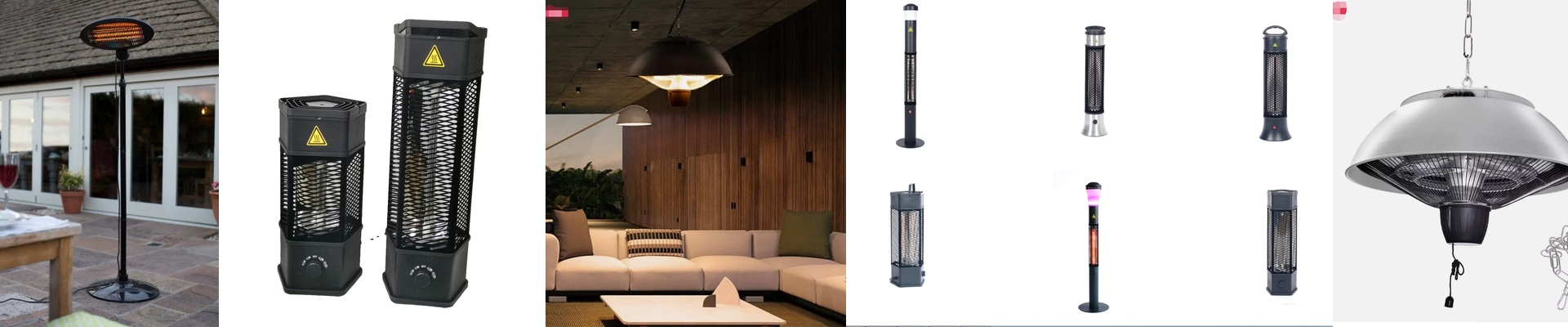
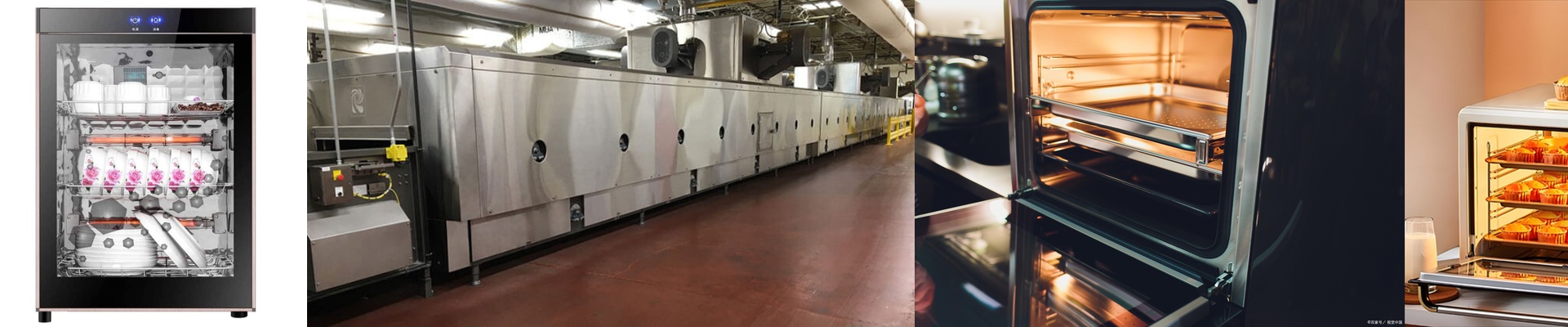
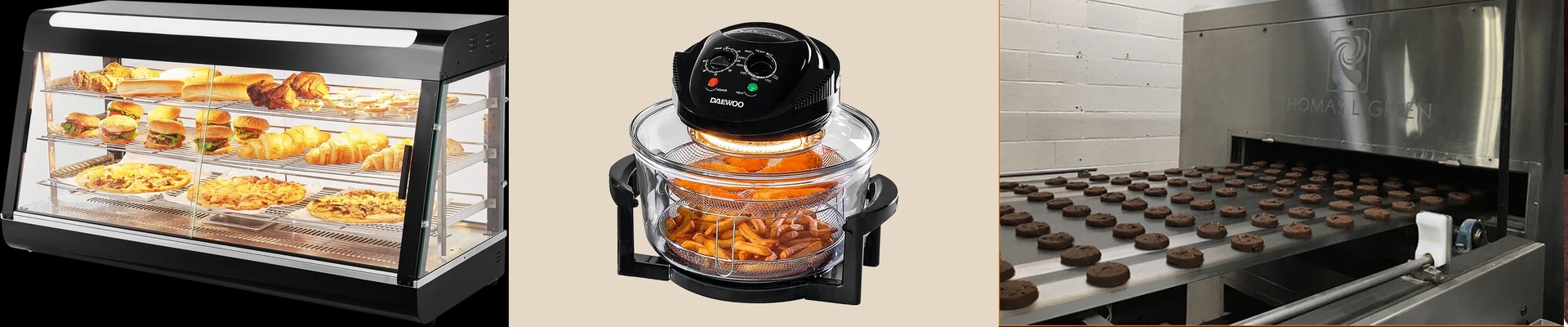
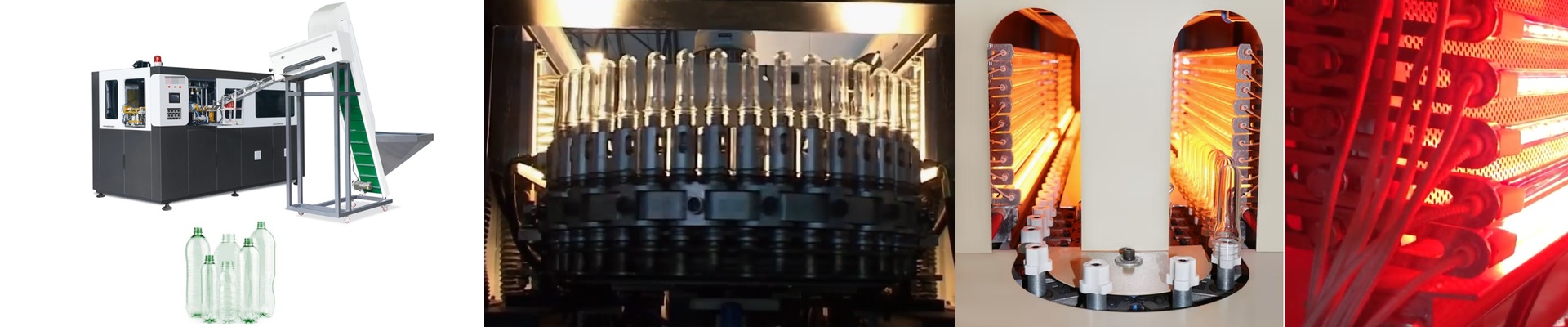
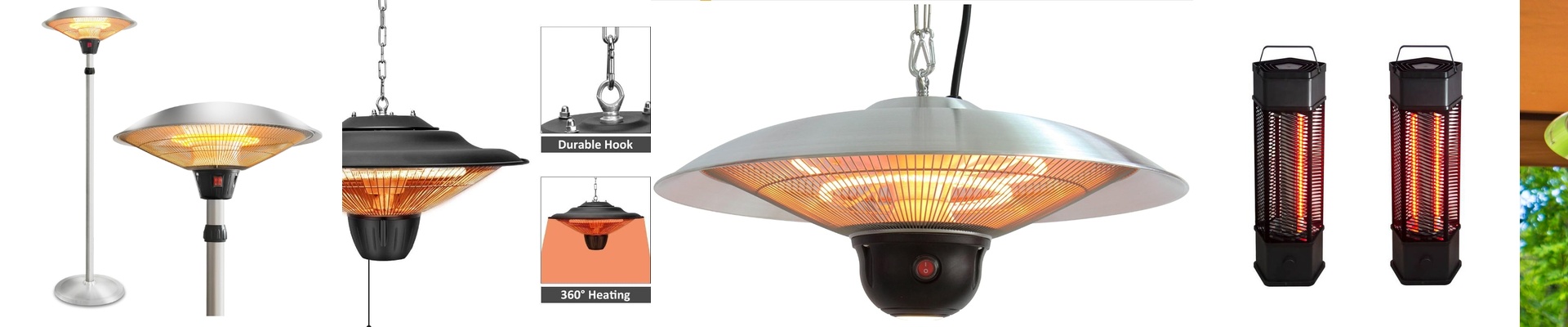
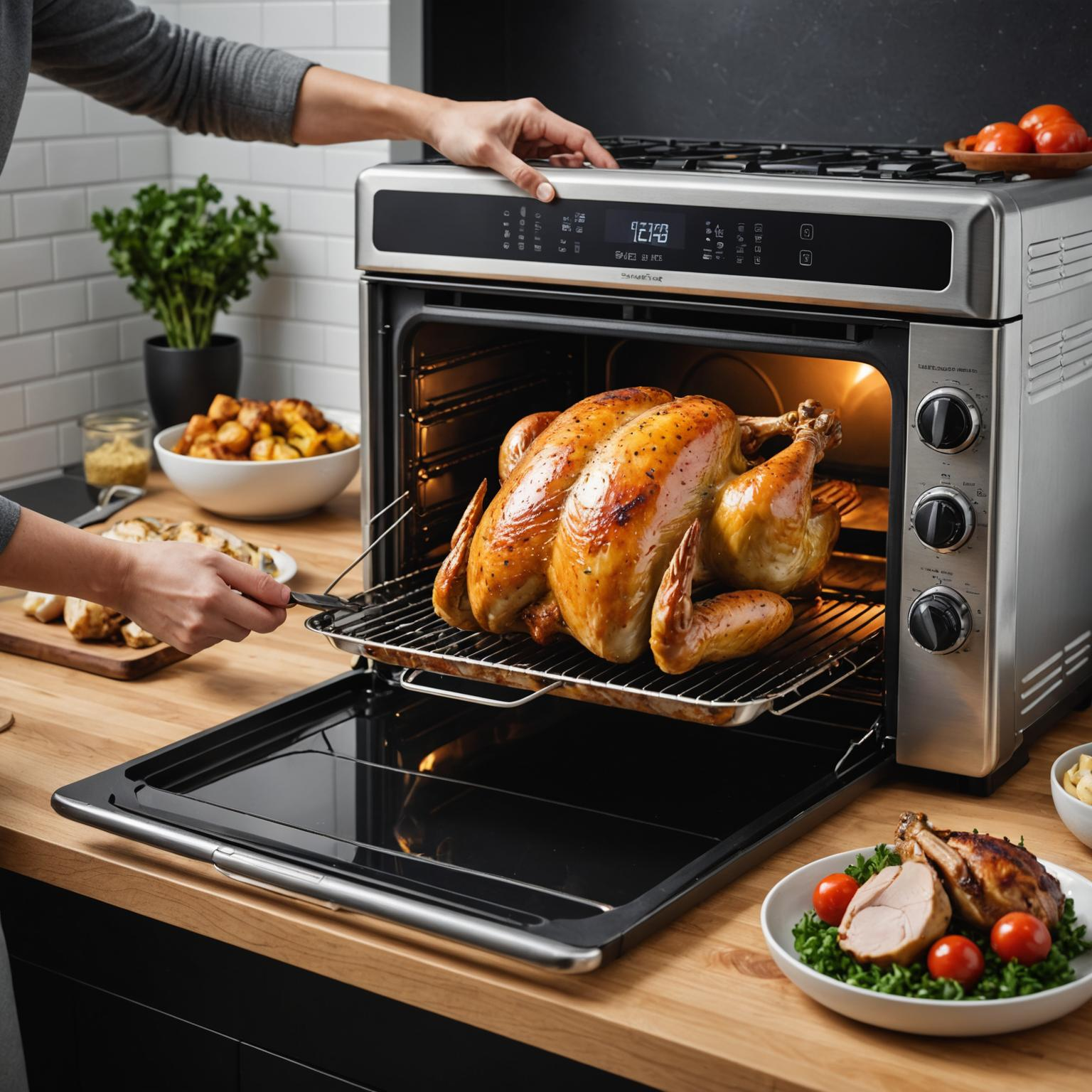
Ever tried cooking a thick piece of meat in a steam oven only to find the outside is overdone and grey, while the center is still practically raw? It’s a frustrating gap. You’re fighting a losing battle against the clock. To fix this, we stopped relying on steam alone. We added short-wave infrared (IR) heaters right into the chamber. Think of it as a tag-team: the steam keeps the meat juicy and moist on the outside, while the IR energy punches deep into the protein. The secret is in the penetration. Steam is great, but it’s slow. It has to work its way in from the edges. IR is different. It vibrates the water molecules deep inside the meat, creating heat from the inside out. But you can’t just blast it with heat or you’ll ruin the dinner. That’s why we use PID controllers. They let us tweak the power in real-time, so the center catches up without the exterior turning into leather. Getting the control right. Speed matters here. We went with quartz-halogen elements because they hit full temperature in a heartbeat. If you’re cooking huge batches, you can’t just use a basic on/off thermostat—that’s too clunky. You need a closed-loop system. We put a probe right in the thickest part of the meat, and the oven listens to that probe, adjusting the heat instantly. The honest trade-offs. Now, high-intensity IR isn’t magic; it has its quirks. If the lamps are too close or the meat doesn’t move, you get hot spots. It’s a balancing act. We spend a lot of time calculating the exact distance between the heater and the food to make sure you get a perfect cook, not a sear. And let’s be real: steam and electricity don’t usually get along. Putting IR lamps in a wet environment is a recipe for a short circuit. To stop that, we used reinforced seals at every connection point. It keeps the moisture out and the power flowing.