
Warm Bathrooms, Happy Eyes: How We Handle Infrared Heat
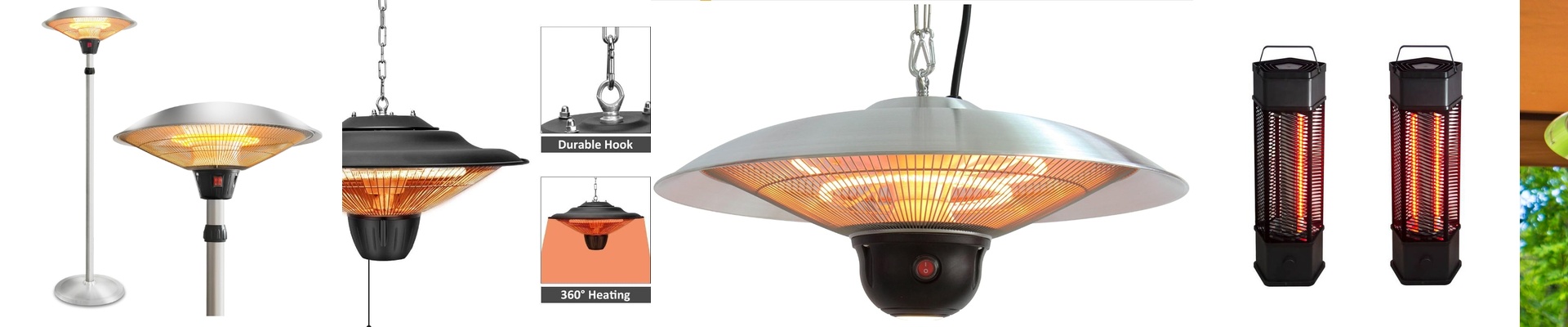
When we design infrared heaters for bathrooms, we’re basically trying to solve a tug-of-war. You want that instant, cozy warmth the second you step out of the shower, but you don’t want a light so bright it feels like you’re staring into the sun. This is a big deal if you’re putting these in a nursery or a family bathroom. The real challenge isn’t actually the heat—it’s the light. The “Glare” Problem Standard short-wave lamps are usually blinding. Not great for a relaxing morning. To fix this, we tweak the light spectrum. We use specific quartz blends and internal coatings to scrub out the harsh UV and high-intensity visible light. The result? You get all the thermal energy you need to stay warm, but without the retinal strain. It’s much gentler on the eyes, especially for babies and kids. Under the Hood Most of our units plug right into your home’s standard voltage. We’ve tuned the wattage so the housing doesn’t get dangerously hot. We also use high-purity quartz glass. Why? Because bathroom heaters go from ice-cold to scorching in seconds. Cheap glass would just crack under that kind of stress. You’ll notice these lamps have a soft, muted glow instead of a piercing white light. That’s not just for looks—it’s a sign that the filtering is doing its job. The Reality Check Since these live in bathrooms, we’ve built them to handle a lot of steam and humidity. We seal the connections tight so moisture can’t sneak into the terminals and cause a short. But here’s the thing: there is a trade-off. Because we filter the light for safety, the heat feels a bit different than those raw industrial heaters you see in warehouses. It’s a softer, more controlled warmth. If you’re planning to heat a massive, drafty outdoor patio or a giant garage, these aren’t the right tool for the job. They’re built for enclosed, steamy spaces where feeling safe and cozy matters more than raw power.