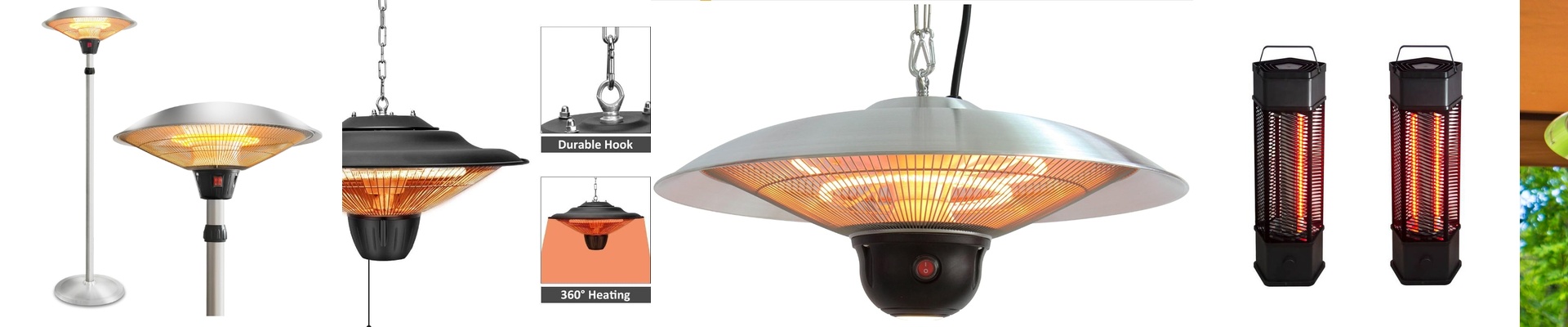


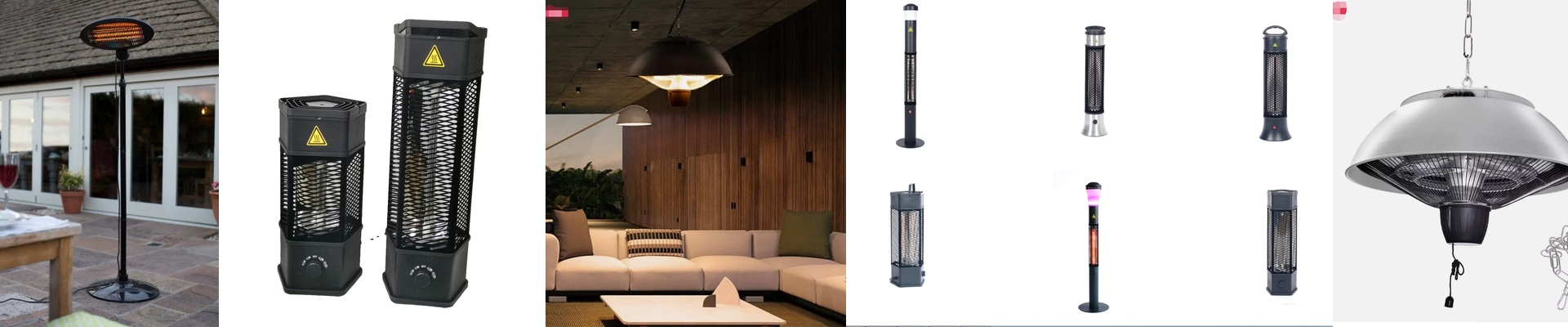

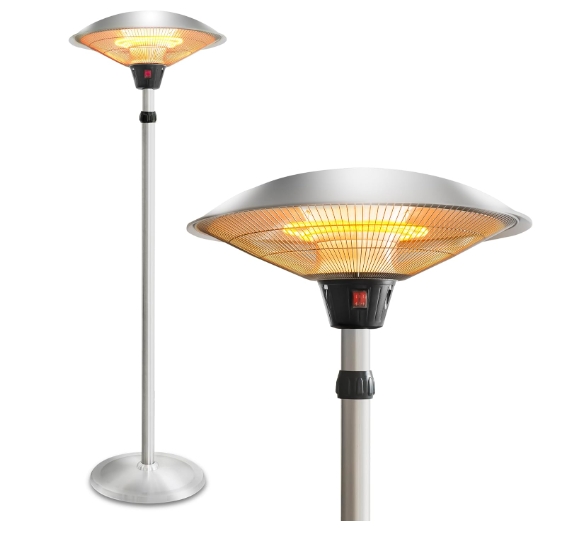
Cold hands, stiff joints, and a project that stalls because the space won’t warm up—that’s what an undersized garage heater delivers. When your garage is the workshop, the studio, or just the path from car to house, comfort isn’t a perk. It’s the difference between calling it a day on time and watching your breath fog up while the to-do list sits frozen.
What matters under the hood
Infrared garage heaters go straight to work on objects and people, not the air around them. You feel the heat faster, and you don’t lose it every time a door opens or a draft finds its way in. We build our units around high-output quartz tubes and a tight reflector, so the radiant warmth hits where you need it, in 1500W, 2000W, and 3000W options. Stick with 120V for standard outlets, or step up to 240V for more power and lower current draw. A built-in thermostat keeps the space steady, while tip-over protection and a solid housing give you some peace of mind when you’re running long.
Why this approach fits a garage
A garage is rarely a sealed box. North-facing walls and big doors bleed heat, and insulation runs the gamut. Match wattage to room size and heat loss, and comfort follows. As a rule, start with 10W per square foot for average insulation; for drafty spots or high ceilings, push to 12–15W per square foot. With infrared, you’re warming tools, the workbench, and the floor—so you feel the heat even when the air is still. The payoff is a quicker warm-up, fewer cold spots, and conditions that keep your focus and momentum where they belong.
The details that make the difference
Infrared is directional, so placement matters. Mount the heater at head-to-shoulder height, angled toward the main work zone, and keep safe clearance from anything combustible. Expect a warm front and cooler back corners, and plan your layout accordingly. Most models plug into a standard outlet, but 240V units need a dedicated circuit and a proper wiring job.Balance the heat where you use it most, and you’ll stay comfortable without wasting energy.