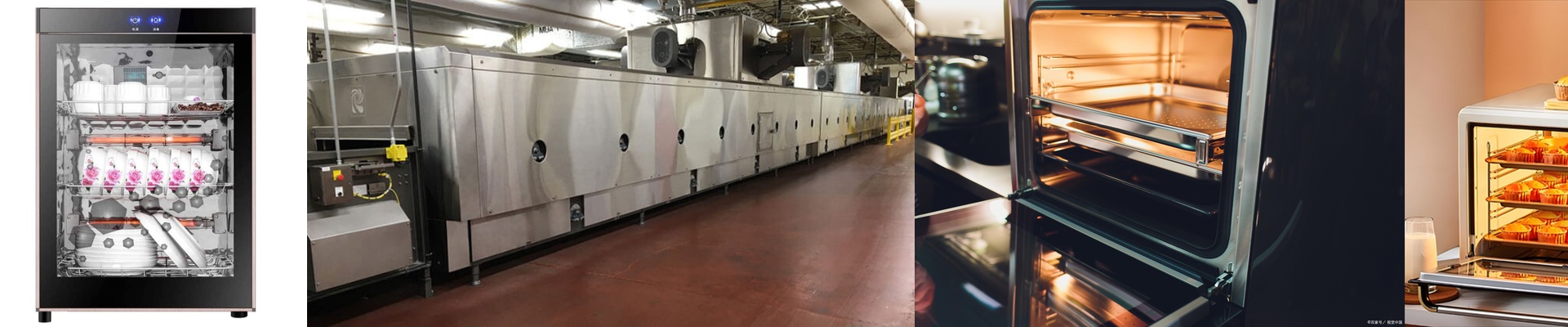
When service hits the fan, your deck oven, rotary oven, or warming cabinet can’t afford hot spots or lag. Underbaked pizzas, pale crusts, and holding trays that run lukewarm cost you money—and worse, they cost you your reputation. The heating element has to deliver predictable, fast heat exactly where it counts: on the stone hearth, across the pans, or inside the holding chamber.
What matters under the hood
We run a heat bridge with a clear quartz tube built to take the heat and hold steady. Quartz responds fast, so recovery after door swings is quick, and temperatures stay consistent through long bakes. The clear tube keeps the radiant path clean—energy goes into the baking chamber, not wasted into the frame. The geometry of the bridge is meant to focus the heat. You get direct, targeted distribution, so more of the energy lands where the product sits, not on the oven walls.
Why this matters on the line
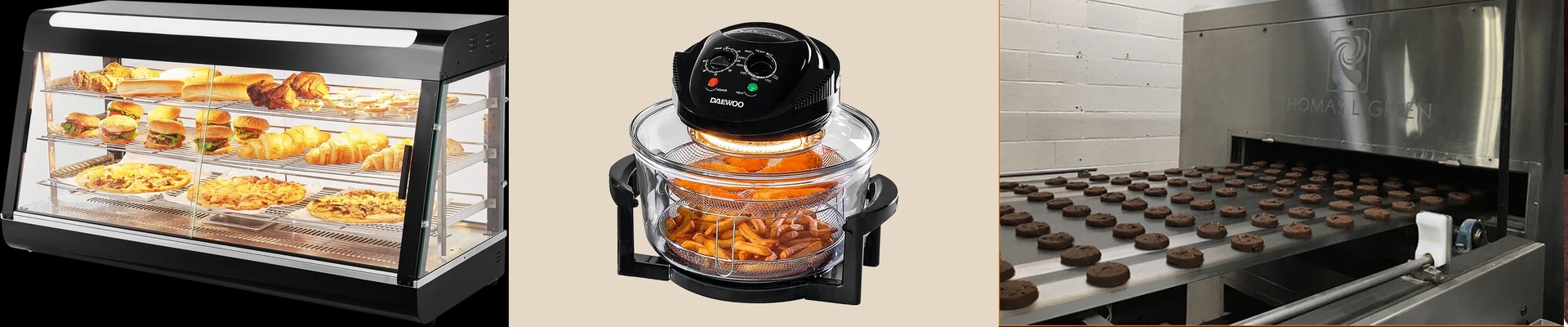
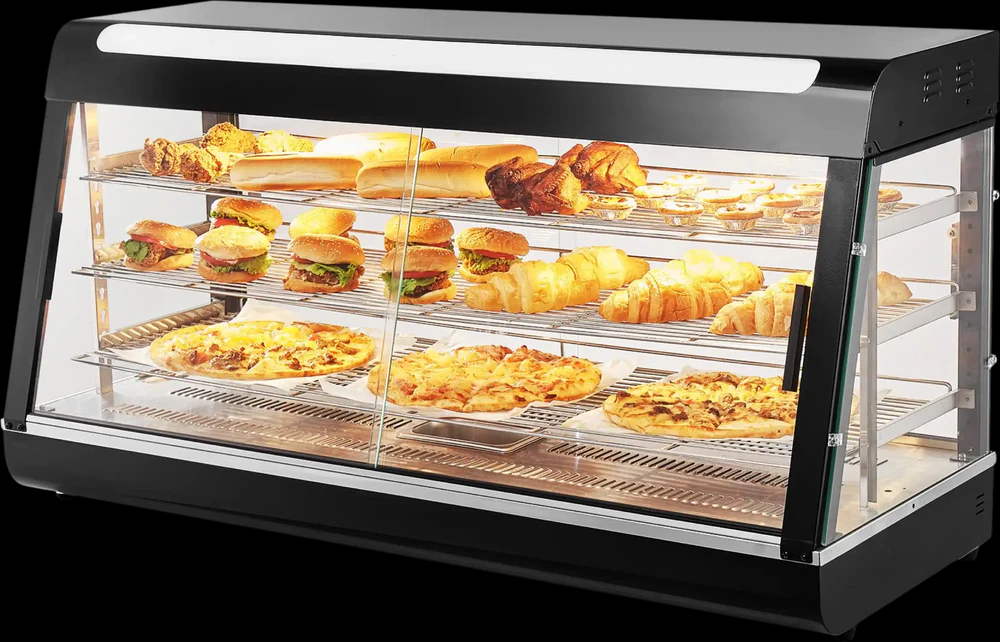
In a pizza deck oven, that focused radiant heat crisps the bottom on the stone hearth without scorching the top. In a bakery rotary oven, it evens out caramelization across multiple pans, cutting down hot spots and rework. In food warming cabinets, the quick response holds temperatures steady, so plating stays consistent even when service peaks. You end up with tighter control, fewer underdone items, and less energy burned per cycle because heat is delivered when needed, not lost.
What you need to know
These quartz heat bridge tubes fit standard commercial ovens, but mounting and voltage have to line up with your equipment. Clear quartz is tough, but it still needs proper clearance and secure brackets to handle vibration and thermal shock. Before you order, check the oven’s terminal block, mounting clips, and rated voltage. Matching specs prevents hot spots and helps the tube live longer. When it’s set up right, the tube holds steady through thousands of heat cycles—repeatable heat you can count on, shift after shift.