Keeping Your Bathroom Heater from Dying in the Steam
Let’s be honest: bathrooms are absolute nightmares for electronics. You’ve got thick steam, random splashes, and that constant dampness that just seems to find its way into everything. For a heater, that’s a recipe for a short circuit or internal rust. We spent a lot of time figuring out how to stop that from happening.
The battle against the “vacuum effect”
Here’s the weird part about physics: when your heater cools down after you’ve finished your shower, it actually creates a tiny vacuum. That vacuum literally sucks moist air right into the electrical guts of the machine. To stop this, we use silicone gaskets and a special hydrophobic coating on the lens. It keeps the water out. More importantly, it stops condensation from forming on the inside of the quartz tube. If that moisture gets in, it creates “hot spots” that can pop the tube. And nobody wants to replace their heating element six months after buying it.
Dealing with the splashes
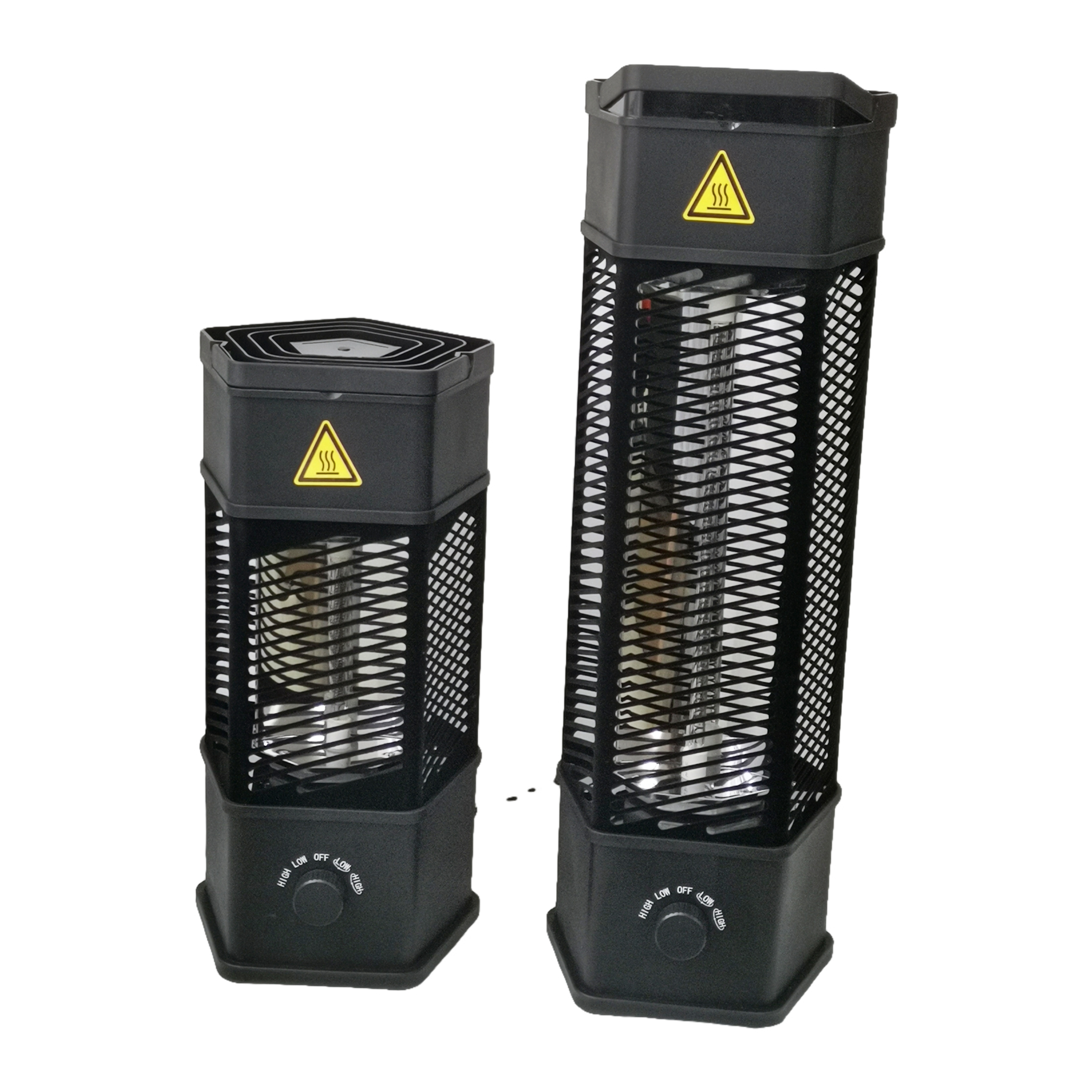
We’ve all seen it—a stray splash of water hits a red-hot heating element, and pop. Thermal shock is no joke. To fix this, we built a chassis that basically acts like a rain gutter, steering water away from the electrical terminals. We also wrapped the wiring in heat-resistant, moisture-proof sleeving. The real secret, though? The seal between the lamp holder and the outer case. If that one spot leaks, the whole unit is basically a paperweight. We make sure it’s tight.
The trade-off
Now, there is a catch. When you seal something this tightly to keep water out, the heat has nowhere to go. It builds up inside the housing much faster than it would in a cheap, open-frame heater. Because of that, you’ve got to give the unit some breathing room. Just make sure you follow the mounting clearance guides so the internal wiring doesn’t bake itself. At the end of the day, making a bathroom heater last isn’t about using some “magic” expensive material. It’s just about controlling where the water goes. Keep the electricity dry, and the heater keeps working. Simple as that.