
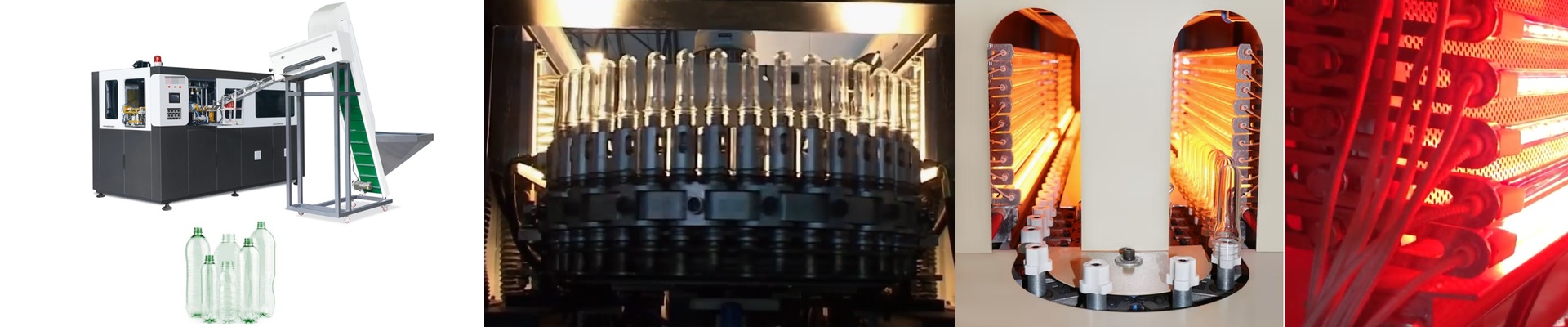




Stop Your IPX5 Infrared Heaters From Shorting Out
If you’ve ever had an industrial infrared heater die on you, you know the frustration. Usually, it’s the same story: water gets into the lead-wire junction, things get too hot, and then—pop—you’ve got a short circuit. When you’re shopping for an IPX5 heater, a “splash-proof” shell sounds great on a spec sheet. But in the real world? That’s not enough. You need a seal that can handle the constant swing from freezing to scorching without cracking.
Why lead wires actually fail
Here is the thing: most standard heaters rely on cheap rubber grommets or basic adhesives. They look fine at first. But the heat from the infrared element doesn’t just go forward; it travels backward through the wires. That heat basically bakes the sealant. It turns brittle. It cracks. Once those tiny cracks open up, moisture creeps in. In a high-voltage setup, that’s a recipe for disaster. You get carbon tracking, and your heater is toast. We do things differently. We use high-temperature silicone potting and compression-fitted seals. It’s a physical barrier that stays flexible, even after thousands of heat cycles. It just holds up.
The difference in how they’re made
A lot of “assembly-grade” heaters are basically just dipped in sealant. It seems easy, but it leaves air pockets. When the heater warms up, those air pockets expand. They literally push the sealant away from the wire. We focus on the actual bond between the quartz tube and the wire. We make sure the sealant sticks chemically to both. This stops “wicking”—that annoying process where water hitches a ride along the wire insulation right into your electrical connections. If that seal isn’t airtight, that IPX5 rating is just a piece of paper the moment you flip the switch.
One thing to keep in mind
There is a trade-off. Because our sealing is so heavy-duty, the lead wires are stiffer. You can’t just bend them into a tight knot near the seal or you might crack the potting compound. Just give the wires a bit of breathing room when you’re wiring them into your chassis. A gentle curve is all it takes to keep the seal perfect and your machine running.