
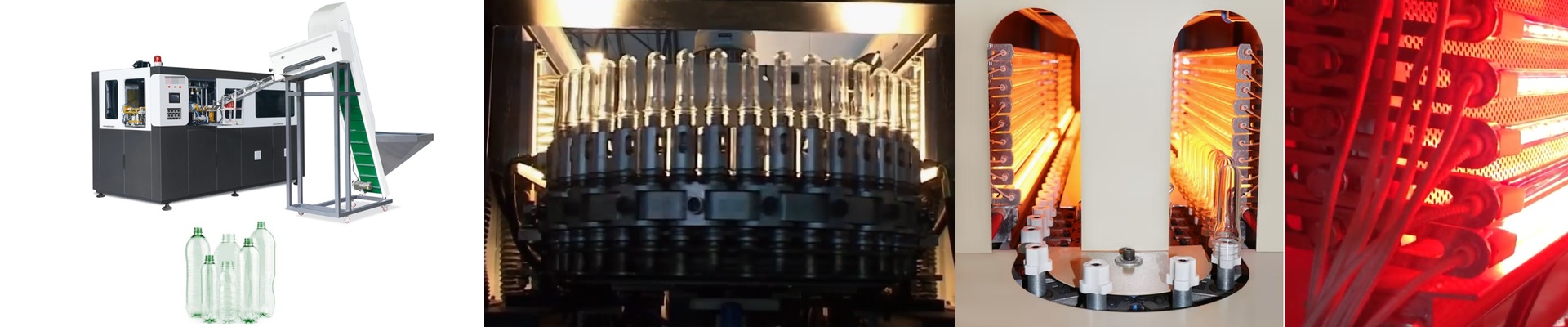
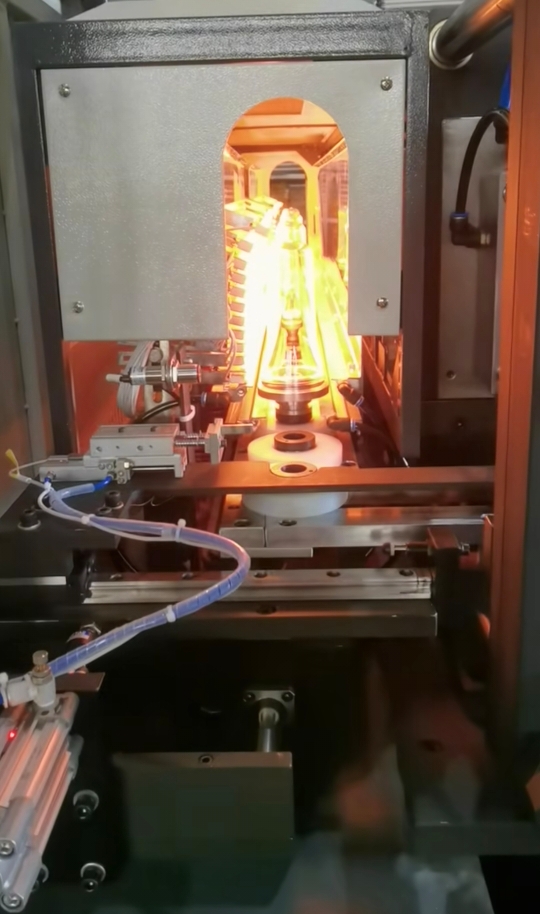
Getting More Out of Your PET Blow Molding Oven
If you’re running a mid-sized operation with older machines, you know the frustration. You want to hit those target cycle times, but the machine just isn’t keeping up. Usually, the bottleneck is the oven. It’s just not hitting the temperature fast enough. The good news? You don’t have to rip out the whole machine and start over. Sometimes, just swapping your standard lamps for high-output quartz heater tubes does the trick.
How the heat actually works
Here is the thing about PET preforms: they need to soak up infrared energy just right to get to that perfect blowing temperature. By using high-purity quartz glass, you get way more IR transmission. When you swap out those low-wattage tubes for high-density ones, you’re basically hitting the preform walls with a lot more radiant energy. It’s simple. The preforms heat up faster. They spend less time sitting in the oven. And you get more bottles out the door every hour.
Getting the specs right
You can’t just throw any tube in there. It has to play nice with your electrical setup. If your machine is wired for 220V and you push a tube with too much wattage, you’re going to trip breakers or fry your contactors. That’s a headache nobody wants. We usually look at the wattage-per-centimeter ratio. More wattage means a faster heat-up, but it also puts a lot more stress on the quartz envelope. And please, check your connectors. Whether you’re using R7s or Sk15, a loose fit is a disaster. It creates a hot spot, and hot spots kill tubes. Give those sockets a quick tension check during the swap so you don’t deal with arcing later.
The trade-offs (because nothing is free)
Now, cranking up the heat density isn’t a magic fix. There’s a catch. When you boost the IR output, the inside of the oven gets much hotter. If your cooling blowers weren’t built for that extra load, you’ll start seeing scorched PET or weird hot spots on your bottles. You have to find the sweet spot between your lamp wattage and your airflow. We’ve seen shops bump their output by 15% just by upgrading the tubes. The secret was simply recalibrating the cooling fans to handle the extra heat. It’s a small tweak that makes a massive difference.