Stop Fighting Your Infrared Heaters
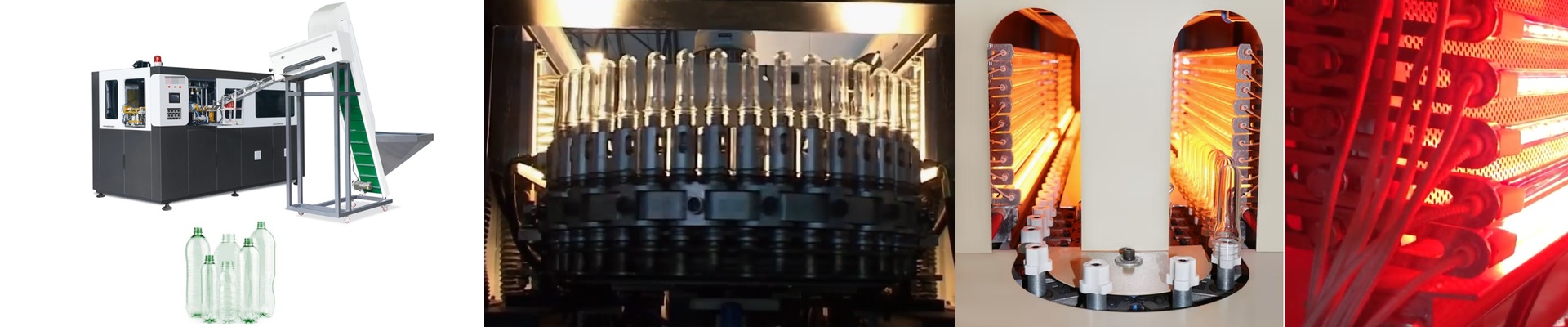
When you put an industrial infrared system in your plant, you aren’t just paying for heat. You’re signing up for a maintenance schedule. Here’s the problem: most people don’t even think about how to replace a tube until one actually burns out five years from now. If your heater is welded into a chassis or hard-wired into a mess of cables, that one dead tube becomes a nightmare. You’re looking at hours of downtime and a massive labor bill just to fix one small part. A better way to build it We decided to do things differently. Instead of one giant, monolithic block of heat, we build our systems using independent modules. Think of it as a plug-and-play setup. If a section fails, you just isolate that one spot. You don’t have to kill the whole line. Because the heating element isn’t fused to the main frame, you don’t have to tear the entire machine apart just to reach a single burnt-out tube. It’s just… easier. Swapping parts in minutes, not hours We use standard connectors and brackets that slide right in. When a tube hits the end of its life, you don’t need to spend your afternoon rewiring the control panel. You pull the old module out. Slide the new one in. Lock it. Done. And we use high-temp terminals that actually stay loose. There’s nothing worse than trying to do a “quick replacement” only to find the hardware has seized up, forcing you to break out the torch or a grinder just to get the old part out. The honest trade-off Now, look—nothing is perfect. A modular design means more connection points than a single weld. That means during your annual check-ups, you’ve got to make sure those terminals are tight. If you don’t, you might deal with voltage drops or a few hot spots. But honestly? That’s a tiny price to pay. I’d much rather spend a few minutes tightening a screw once a year than spend an entire weekend dismantling a system because one lamp gave up the ghost. You take on a little bit of assembly work upfront to make sure your uptime stays where it belongs.