

Stop Fighting the Bathroom Chill: Why Infrared Actually Works
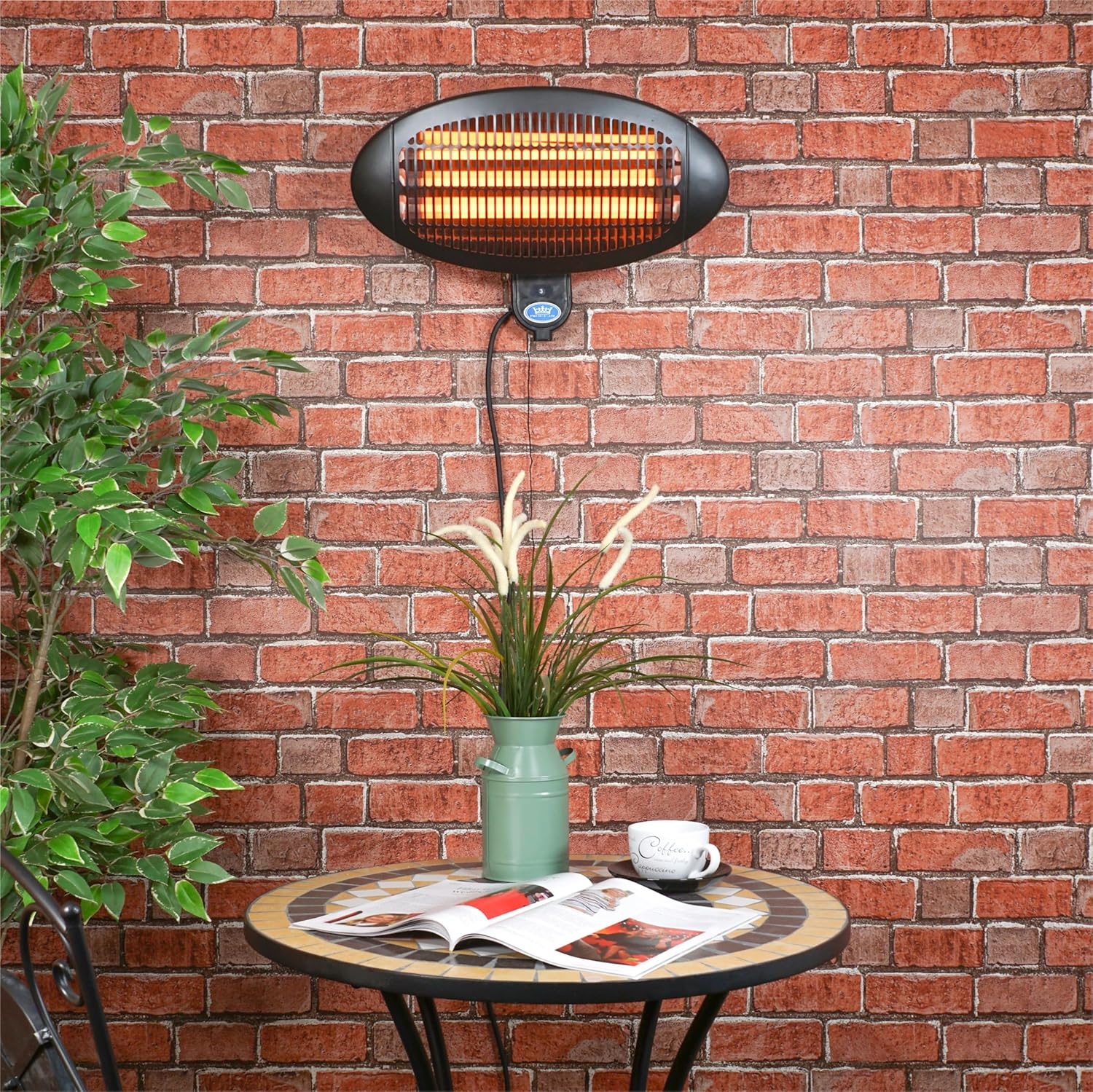
We’ve all been there. You step out of a steaming hot shower, and the second you hit the air, it feels like you’ve walked into a freezer. Most of those old-school bathroom “lamp heaters” are pretty useless here. They try to warm up the air, but in a humid room, that heat just vanishes through the vents. That’s why we’ve been moving toward high-end waterproof infrared heaters. Instead of fighting the humidity, these things just target you. They warm your skin directly. The battle against steam Bathrooms are brutal on electronics. Between the thick steam and the occasional splash, a cheap heater is basically a ticking time bomb for your circuit breaker. To stop that from happening, we use units with high IP ratings. In plain English? They’re sealed tight. The heating elements are tucked away inside quartz glass or special alloys that don’t care about moisture. It means you can actually enjoy a hot shower without worrying about the lights flickering or the heater quitting on you after one season. Why it feels different Standard heaters rely on convection—they heat the air, and you hope some of it lingers around you. Infrared is a different beast. It sends out waves that soak right into your skin. It’s an instant feeling of warmth. Even if your bathroom is drafty or has a giant window, you feel the heat the moment you turn it on. It’s like stepping into a patch of sunlight on a cold day. A few things to watch out for Now, you can’t just plug one of these into a random outlet and call it a day. These units pull a lot of power. If you share a circuit with your hairdryer or a fancy light fixture, you’re probably going to blow a fuse. We always suggest running a dedicated line just for the heater. It’s a bit more work upfront, but it saves you a headache later. And a quick tip on where to put it: be careful with the height. Because the heat is so concentrated, if you mount the unit too low, you’ll end up with scorching floor tiles. You have to find that sweet spot—high enough that the warmth spreads across your whole body, but low enough to actually feel it. It takes a bit of precision, but once it’s dialed in, it’s a total luxury.