
Why Most Outdoor Heaters Die (And How We Fixed It)
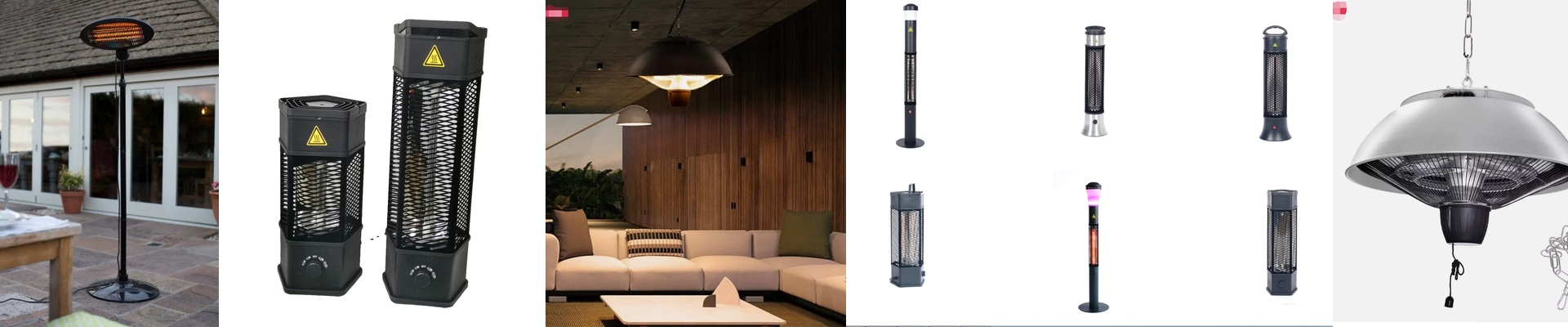
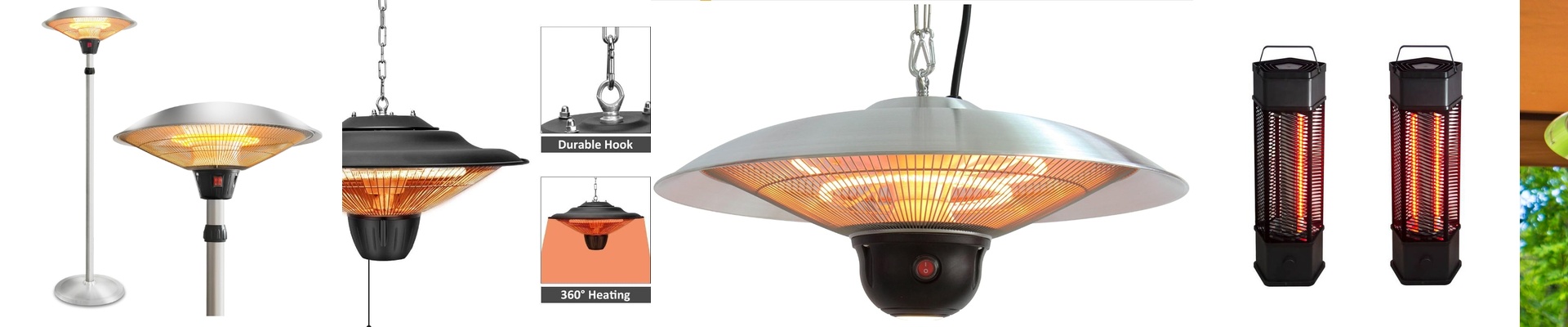
If you’ve ever run a patio or a bar, you know the deal. The outdoors are absolutely brutal on equipment. Most people think heaters fail because the heating element just “burns out” over time. But in my experience? That’s rarely the real story. The real enemy is moisture. Humidity and rain sneak into the housing, cause a short circuit, or just eat away at the internals with rust. It’s a nightmare.
Keeping the Water Out
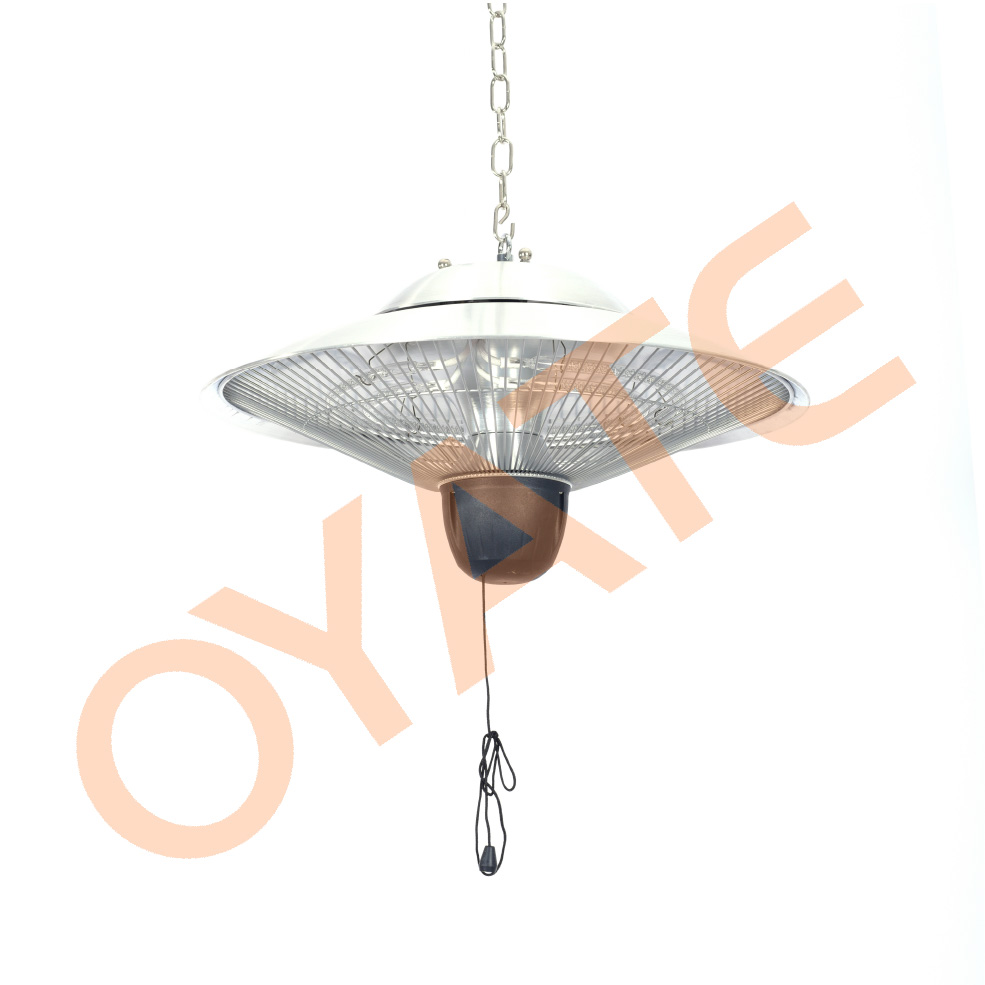
We took a different approach with our splash-proof design. Instead of just hoping for the best, we focused on the electrical terminals. We used heavy-duty gaskets and tight seals to make sure rain doesn’t drip straight onto the live wires. Cheap units usually ignore this, which is why they tend to spark or pop when the weather gets nasty. We just stopped the water from getting to the current in the first place. Then there’s the condensation problem. Think about what happens when you flick the switch off. The heater cools down fast, and moisture clings to the quartz tube. It creates this foggy layer that traps heat and—if you’re unlucky—causes the glass to crack from the thermal shock. To stop that, we added anti-fog coatings and tweaked the airflow. Now, the moisture sheds quickly. The tube stays clear, and the glass actually lasts.
The Balancing Act
Now, you can’t just wrap a heater in plastic and call it a day. If you do that, the thing will overheat because it can’t breathe. It’s a bit of a tug-of-war. We had to find the sweet spot where the unit is sealed tight enough to keep the rain out, but open enough to let the heat escape. One quick tip: if you’re installing these in a salty, coastal area, make sure your mounting brackets are corrosion-resistant. There’s no point in having a bulletproof heater if the bracket holding it up turns to rust in six months.
Real World Results
At the end of the day, this is about peace of mind. You want a heater that can take a beating from a rainstorm or a misty evening without you having to tear the whole thing apart every spring. It’s a simple drop-in replacement that just works, mostly because we kept the electronics dry and the heating element clean.