
Keeping Your Bathroom Infrared Heater from Becoming a Hazard
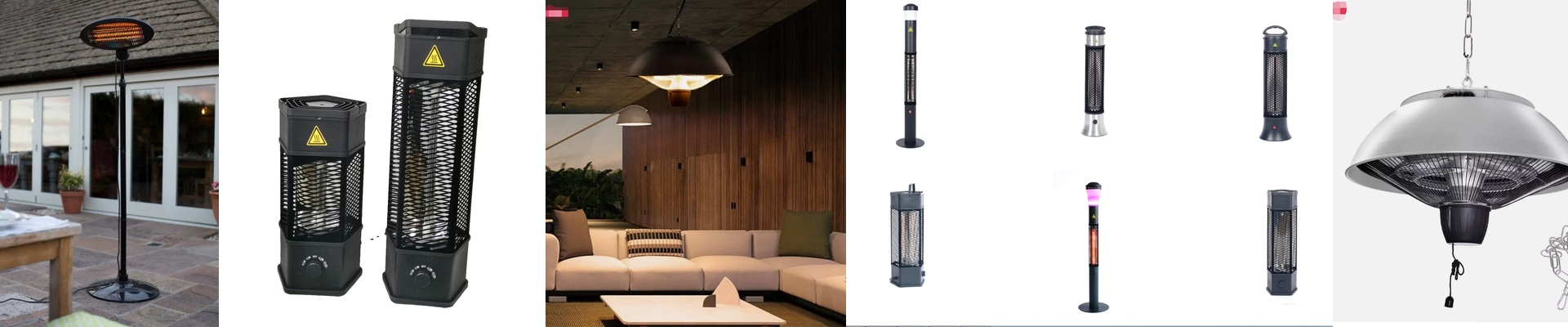
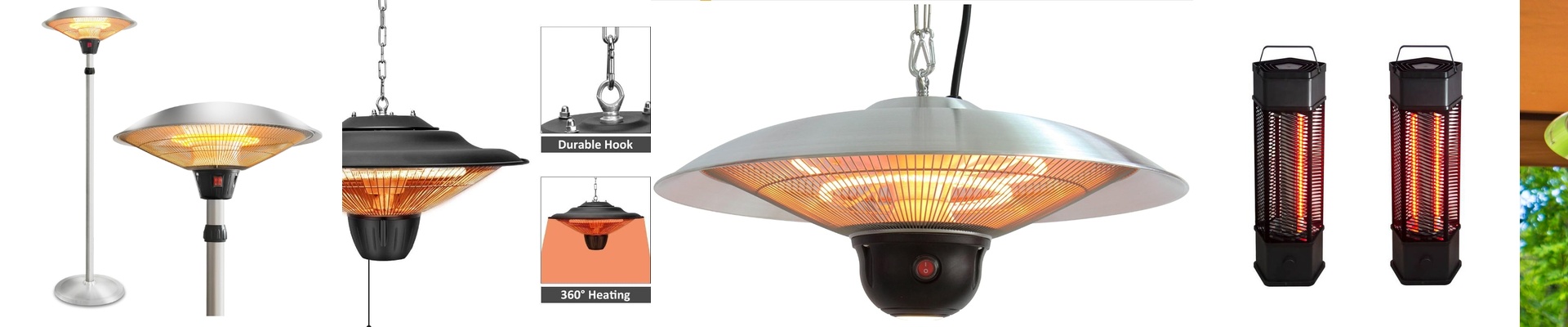
Putting an infrared heater in a bathroom is a bit of a gamble if you aren’t careful. You’ve got constant steam, splashing water, and humidity—basically a playground for electrical shorts. To get that IP44 rating, we don’t just slap a cover on it. We have to make sure water stays out and the electricity stays exactly where it belongs.
The real trick to IP44
When people hear “IP44,” they usually just think about the outer shell blocking splashes. But here’s the thing: the real danger is usually where the wires actually hit the lamp. Steam is sneaky. It gets into the tiny cracks and condenses into water droplets right on the live terminals. To stop that, we use sealed gaskets and a special moisture-resistant potting compound. It basically wraps the connections in a protective cocoon. Since water loves to carry a current, one stray drop on an uninsulated terminal is all it takes to blow a fuse—or worse. That’s why we use heavy-duty insulators and reinforced cabling. We want that power staying in the filament, not wandering off.
Heat, humidity, and the “stretch”
Shortwave lamps get incredibly hot. Really hot. That heat causes materials to expand and contract. Over time, that movement can create microscopic gaps in your seals. If you use cheap rubber, it’ll just get brittle and crack. We stick with thermal-resistant silicone because it can handle those heat cycles without giving up. And please, for the love of everything,check your grounding. Your grounded chassis is your safety net. If the insulation ever fails, you want the breaker to trip instantly instead of the whole fixture becoming live.
The trade-offs (The honest part)
Nothing is perfect. Adding all this shielding to hit an IP44 rating does take away a bit of the heat. The physical barriers slightly dampen the infrared output. If you find it’s not quite warm enough, you might need to bump up the wattage to make up for that loss. Also, these units aren’t “plug and play” when it comes to repairs. You can’t just pop a bulb out in two seconds. Because everything is sealed tight, you have to be meticulous when reseating the gaskets. If you mess that up, you’ve just turned your safety-rated heater back into a liability.