Why “Lower Watts” Isn’t Always the Way to Save Energy
Most engineers have this instinct to think that if you want to save energy, you just drop the wattage. But when you’re dealing with something like a pizza oven, that logic actually works against you. Here’s the thing: it’s all about how fast the heat reacts. If your element can hit the target temperature instantly, you stop wasting energy on “thermal inertia”—that annoying lag where the machine keeps heating even when you don’t want it to.
The Problem with “Heavy” Heat
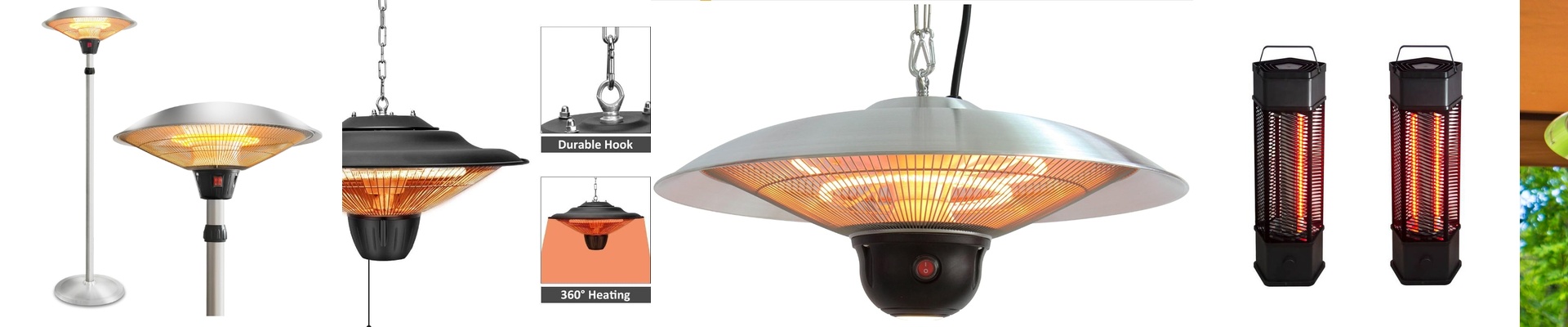
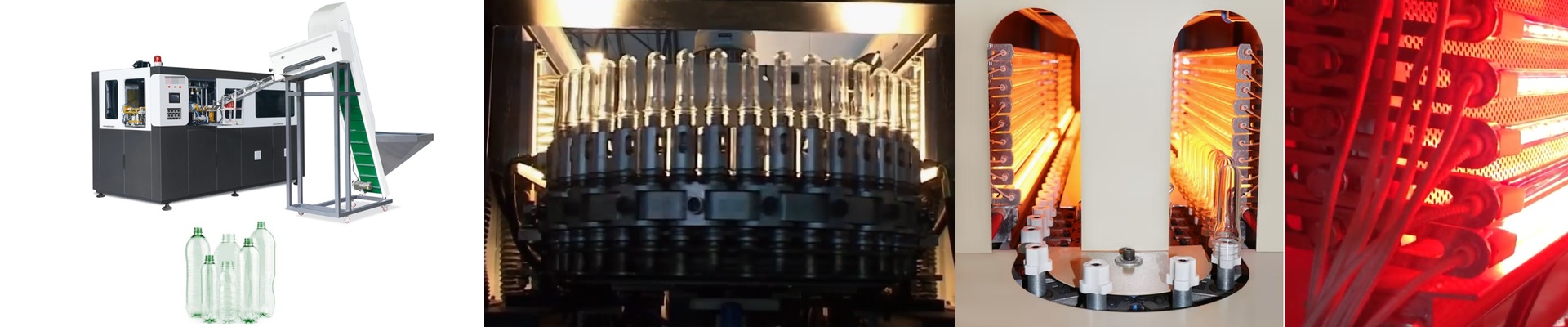
Standard heating elements are basically big chunks of thermal mass. They take forever to warm up, and once they’re hot, they stay hot. This leads to “overshoot.” You’ve probably seen it—the thermostat clicks off, but the oven keeps pumping out heat because the element is still glowing red. You end up overcooking the crust and wasting electricity for no reason. We fix this using short-wave infrared quartz elements. These things are lightning fast. They hit peak temp in seconds, and the moment you kill the power, the heat stops. It’s like a light switch for your temperature. No lag, no wasted energy, just a perfect bake.
The Trade-off (Because Nothing is Perfect)
To get that kind of speed, we use high-watt-density filaments tucked inside a quartz envelope. It creates a concentrated blast of heat that sinks right into the dough without having to heat up the entire metal chassis of the oven. But a heads-up: quartz is fragile. It doesn’t take a beating the way stainless steel does. If your oven vibrates a lot or gets knocked around, you’ll want to put a protective cage or a sturdy bracket around them. Treat them with a little care, and they’ll treat you right.
How to Actually Set This Up
If you’re wiring these in, skip the basic on/off switch. Go with a PID controller instead. A PID loop plays perfectly with the fast response of infrared. It keeps the temperature line flat as a pancake. Because you’re not constantly swinging between “too hot” and “too cold,” you lower the total kWh per bake and your filaments last way longer. Plus, your pre-heat times basically vanish. You just turn it on and get to work.