Getting the Heat Right in Your Sidel Matrix Oven
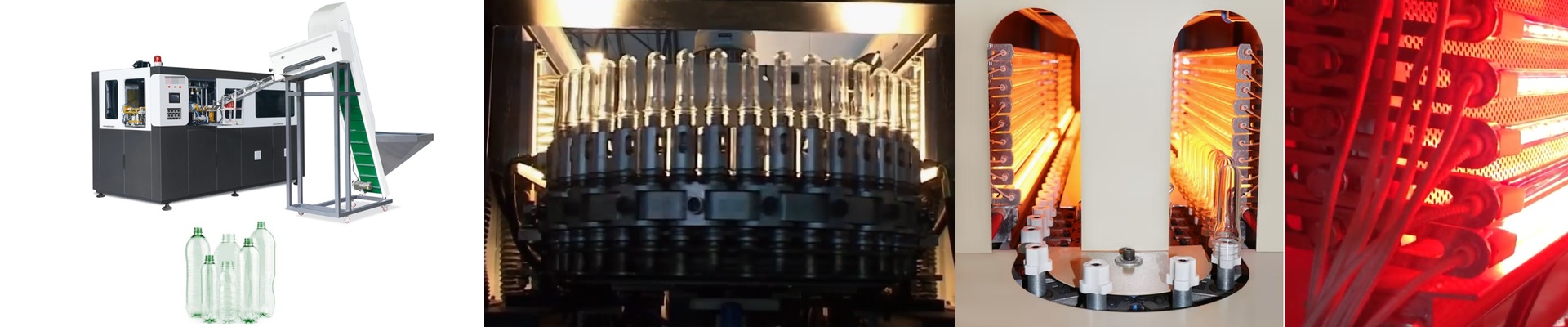
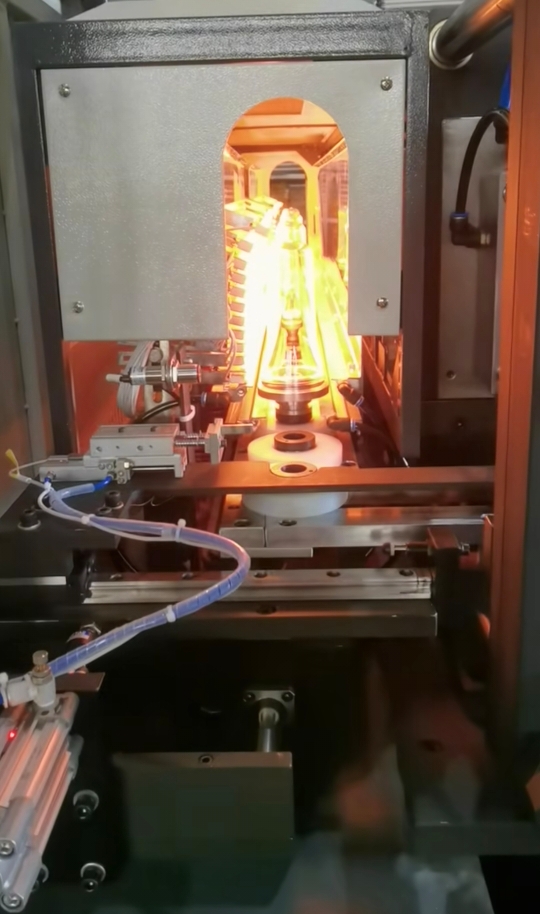
Here is the problem when you swap out OEM lamps in a Sidel Matrix oven: the temperature curve loves to shift. If the new lamp doesn’t hit the same spectral output and wattage as the original, you’re in trouble. Your PET preforms will either stay too cold or start to burn. That’s how you end up with bottles that have weird wall thickness—some spots thin, some spots thick. Not a good look. Matching the specs exactly We build our infrared lamps to be a mirror image of the original Sidel specs. I’m not just talking about making sure the bulb fits in the slot. It’s about the heat flux. If the original spec asks for a specific voltage and wattage over a certain length, we hit those numbers exactly. Why? Because it keeps the radiant energy density steady. It means you don’t have to spend your afternoon rewriting heating profiles or messing with the oven speed just because you changed a bulb. You just plug it in and get back to work. The gear inside We use high-purity quartz glass. It has to be tough to handle the thermal shock of constant rapid cycling. Inside, the halogen cycle keeps the tungsten filament healthy. This stops that annoying “lumen drop-off” you get with the cheap stuff. We also apply specific coatings to the quartz. This tweaks the emission spectrum so the IR waves actually soak into the PET material at the right depth. You want the heat inside the plastic, not just scorching the surface. Getting them installed These are simple drop-in replacements. We use the standard connectors, so you can wire them up without having to hack apart your machine’s existing harness. Simple. But a quick heads-up: since we maintain that 1:1 power density, your cooling system is still going to feel the same heat load. If your cooling fans are choked with dust or your chilled water loop is acting up, the best lamp in the world won’t stop those preforms from overheating. We provide the heat; your infrastructure has to move it out.