Making Shortwave IR Lamps That Actually Fit Your PET Machine
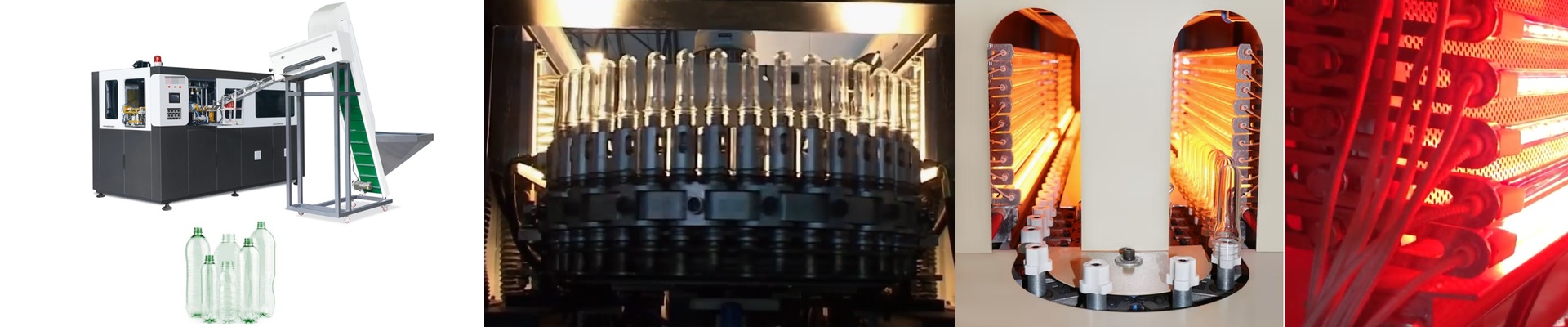
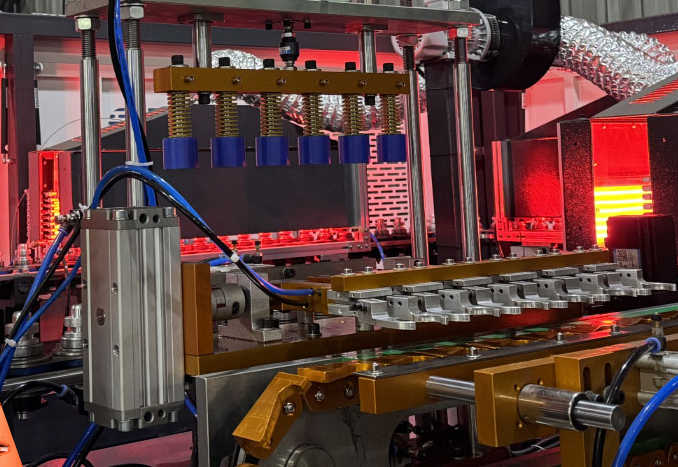
When we set out to build replacement shortwave IR lamps for Husky and other big PET blowing machines, we didn’t want to get bogged down in brand names or proprietary locks. We focused on the physics. At the end of the day, heating a preform is about balance. You need the right wattage, voltage, and wavelength to get that plastic soft enough to blow without accidentally scorching it. Simple, but tricky to get right. The secret to a “universal” fit Most people think compatibility is some complex magic. It’s not. It’s really just about the physical footprint and the electrical guts. We stick to the industrial standards—think R7s and SK15 connectors—and match the exact voltage and wattage of the original OEM lamps. This means they just… slide in. No rewiring your panels, no hacking away at your lamp holders, and no headaches. What’s going on inside the glass We use high-purity quartz and fill it with halogen gas to really crank up the heat density. Shortwave IR is the only way to go here because it punches through the PET material fast. We also use specific coatings to shift where the heat goes. You want the heat hitting the preform, not cooking your machine frame. And here is where a lot of “universal” lamps mess up: the connectors. If the end-caps are off by even a fraction, the lamp rattles in the socket. That leads to arc-over, and then your lamp burns out way too soon. We keep our tolerances tight so that doesn’t happen. The real-world side of things Look, a high-wattage tube is great for hitting those fast cycle times when you’re running high volume. But there’s a catch. When you push that much power through a small tube, your reflectors take a beating. If your reflectors are dirty or pitted, the heat bounces right back into the lamp. It’s like trying to breathe in a room with no ventilation—the lamp just overheats and dies early. If you want these quartz tubes to actually last, keep those reflectors polished. It makes a world of difference.