Why we try to break our bathroom heaters (on purpose)
Let’s be honest: bathrooms are a nightmare for electronics. You’ve got thick steam, constant humidity, and those wild temperature swings that happen the second you turn on the hot water. It’s basically a playground for electrical failures. Now, we could just look at a spec sheet and hope for the best. But that’s not how we do things. Instead, we take every single batch of our mirror heaters and put them through “damp-heat aging tests.” In plain English? We try to break them so they don’t break in your house.
The battle between water and quartz
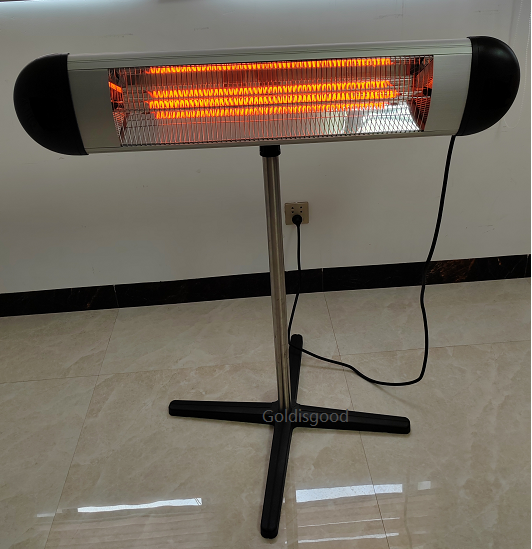
Most of these heaters use shortwave infrared lamps—think quartz tubes and tungsten filaments. In a dry room, they’re great. But in a bathroom, water vapor is sneaky. It finds the tiniest gaps in a seal or a connector housing and just… moves in. If a drop of moisture hits that scorching hot quartz tube, it can cause a thermal shock. Or worse, if it reaches the electrical terminals, you get corrosion or a short circuit. Not exactly what you want happening while you’re brushing your teeth.
How we actually test this
We don’t just spray them with a hose. We use high-humidity chambers to simulate years of bathroom use in a fraction of the time. We crank up the dew point while the lamps are running full blast. We’re hunting for the “burn out” point. We specifically watch the seal where the quartz meets the lead wires. Here’s the thing: a lamp might look perfect on a standard bench test, but then it hits 100 hours of heavy steam and suddenly quits. We keep a close eye on the resistance across the terminals. If those numbers spike, we know the seal is leaking. It’s a fail. Simple as that.
Dealing with the “breathing” effect
There’s a bit of a trade-off here. High-wattage lamps clear your fog fast, which is awesome. But they also get incredibly hot, which makes the metal parts of the fixture expand. Then, the lamp shuts off. Everything cools down and contracts. This creates a “breathing” effect that literally sucks moist air right into the guts of the heater. You can’t fight physics, but you can prepare for it. That’s why we don’t skimp on the small stuff. We use high-grade silicone gaskets and alloys that don’t rust easily. It’s the only way to make sure your heater keeps working long after the bathroom has steamed up for the thousandth time.