How to Speed Up Your Baking Line Without Burning Everything
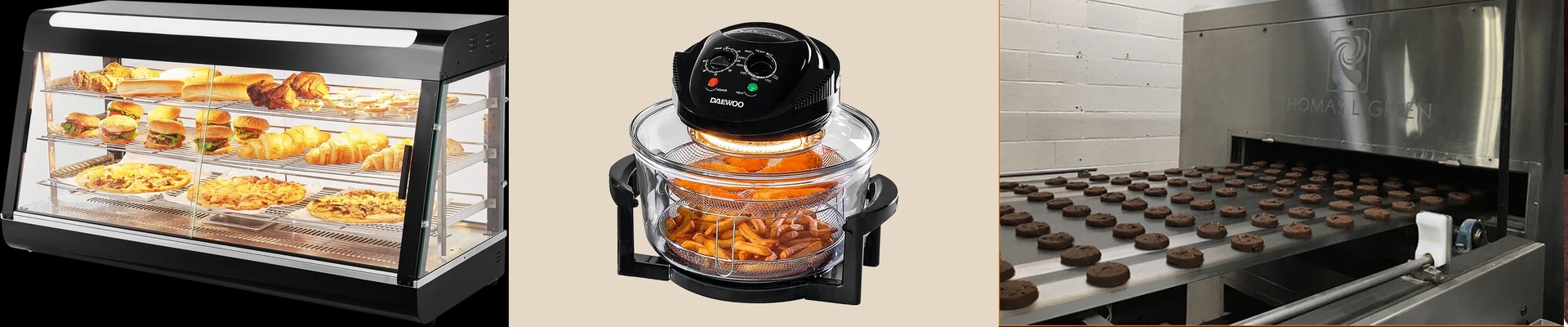
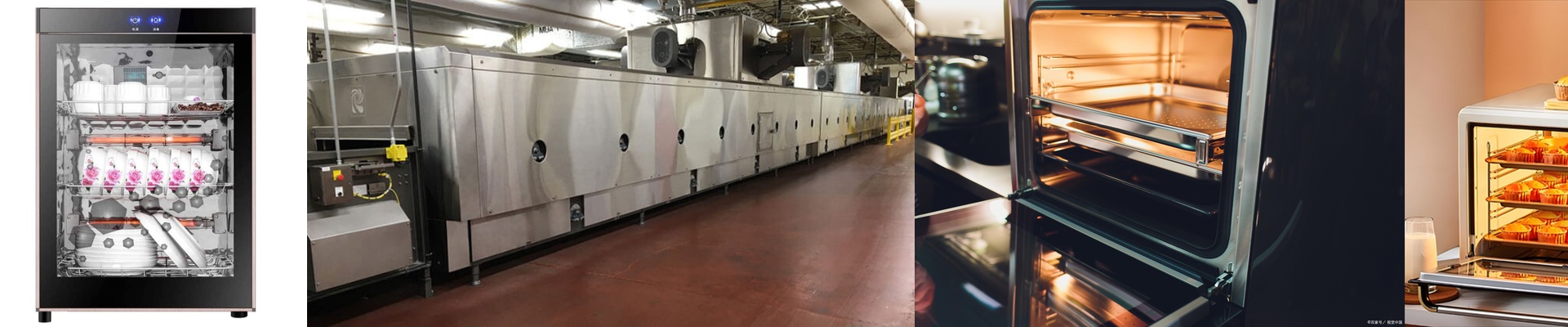
If you’re running a high-volume bakery, you know the struggle. Standard convection ovens are fine, but they rely on blowing hot air around. The problem? Air is slow. When you’re trying to push more product through the line, waiting for air to do the heavy lifting just doesn’t cut it. That’s why we pair stainless steel convection setups with quartz infrared lamps. It’s about getting more cycles per minute without breaking a sweat.
Why IR Actually Works
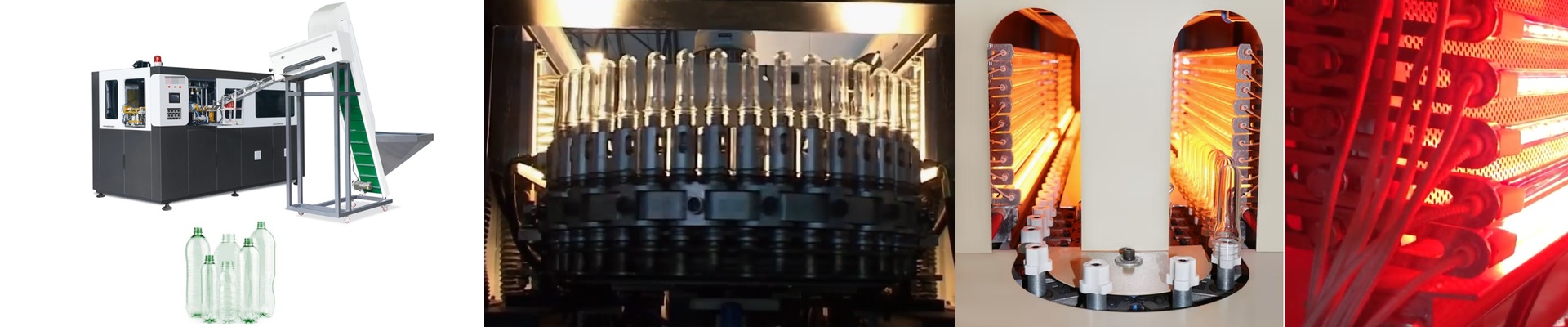
Here’s the thing about quartz tubes: they let short-wave infrared radiation fly right through. Think about it like this. Hot air has to warm up the surface of the dough before it even starts to penetrate the middle. IR energy doesn’t mess around—it hits the product directly. We set these lamps up to blast high power across the entire width of your belt. This means you can either shrink the size of your oven or just crank up the conveyor speed. You get the throughput you want, and the core of the bake actually stays cooked.
The Gear Under the Hood
We don’t cut corners on the hardware. We use high-purity quartz glass because it can handle the wild temperature swings of a busy kitchen without cracking. The housing is all stainless steel, so you don’t have to worry about the humidity and steam of a bakery eating away at your equipment. And the wiring? Heavy-duty. These lamps pull a lot of wattage to get things moving fast, so we build them to handle the load. The best part is the startup. A quartz tube hits its operating temperature in seconds. No more standing around waiting for resistive heating elements to slowly warm up.
The Art of Not Scorching Your Bread
Now, you can’t just blast the heat and hope for the best. If you push the IR wattage too hard, you’ll end up with a burnt crust and a raw center. It’s a balancing act. Our trick is zoning. We put the high-intensity tubes right at the start to give the dough that rapid “spring.” Then, we dial it back toward the end to let things dry out and finish. One last tip: these lamps put out a ton of heat inside the housing. Make sure your ventilation fans are up to the task, or you’ll fry your control electronics. And nobody wants to deal with a dead control board in the middle of a rush.