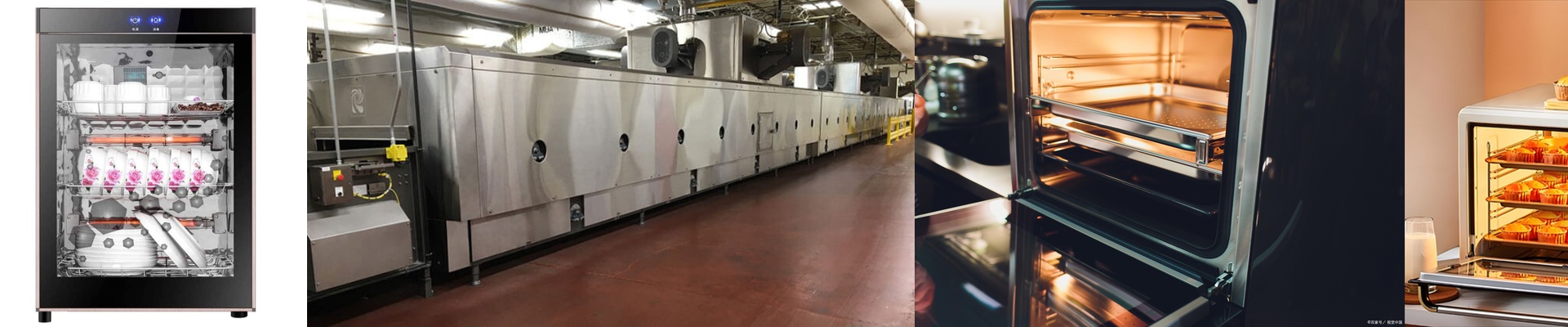
Fixing Those Annoying Cold Spots in Your Rotary Oven
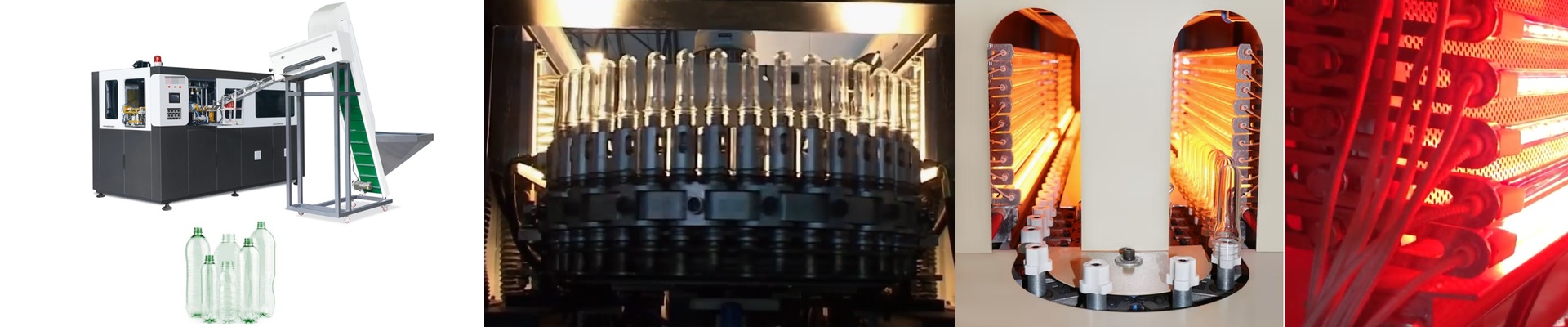
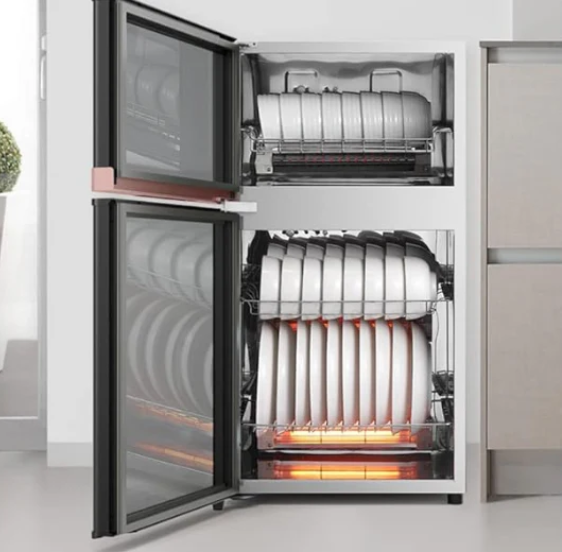
There is nothing more frustrating than pulling a rack out of the oven only to find that the loaves in the corners are pale while the ones in the middle are perfect. It’s a waste of product and a headache for your team. Most rotary ovens rely on convection—basically just blowing hot air around. The problem is that air doesn’t always reach every nook and cranny. That’s why we’ve started swapping out old-school heating elements for infrared (IR) tech. It just works better. Why IR actually makes a difference Here’s the thing: IR doesn’t wait for the air to get hot. It uses electromagnetic radiation to send heat directly into the product. It’s like the difference between standing in a warm breeze and feeling the sun on your skin. By picking the right wattage and wavelength, we can kill those “cold zones” in the corners of your chamber. We calibrate everything so the heat hits every single tray on the rack evenly. No more guessing. Getting it installed The best part? These are basically drop-in replacements. We use quartz envelopes and halogen-filled filaments, which means they hit peak temperature way faster. Your pre-heat time drops significantly, which saves you time every single morning. But a quick heads-up: double-check your voltage and wattage before you start. If you go for a higher wattage to get more heat density, it puts more stress on your wiring. Make sure your contactors can handle the extra current, or you’re just asking for a burnout. The trade-offs you should know about IR is incredibly responsive. You don’t get that annoying “overshoot” where heavy cast-iron elements keep heating up even after the thermostat tells them to stop. It gives you a much tighter grip on your temperature. But there is a catch. IR is “line-of-sight.” If you cram your racks too full or stack your product too densely, the heat can’t “see” the items in the middle. You’ve got to leave some breathing room between your trays to keep that thermal balance steady. One last tip: when you’re wiring these up, make sure those connectors are seated tight. A loose fit creates resistance, and that’s how you end up with a melted housing. Just snap them in properly, and you’re good to go for the long haul.