Why swap your old oven coils for infrared?
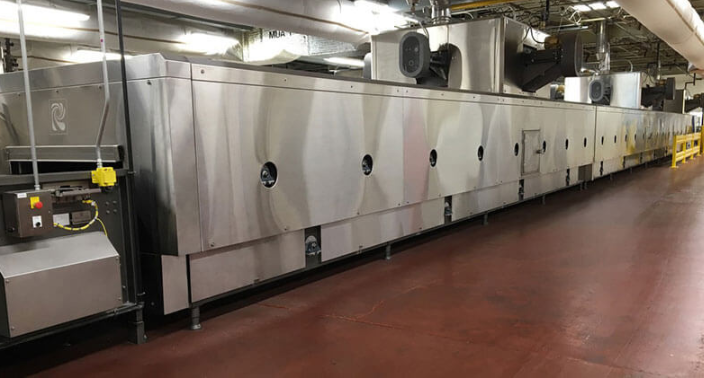
Most bakery ovens use those old-school resistance wires. They work by heating up the air, and then hoping that air eventually heats up your dough. It’s a slow process, and honestly? A lot of that energy just vanishes into thin air. We do things differently. Our infrared elements skip the middleman. Instead of fighting with the air, they beam heat directly into the bread. It’s a different kind of heat. Standard wires take forever to get going. But with a tungsten filament inside a quartz tube, things happen fast. Like, really fast. You can basically ditch those long, annoying pre-heating cycles. Plus, you get way more heat in a much smaller space. That means your oven shell isn’t bleeding warmth all over the factory floor while you wait for the temperature to climb. A quick heads-up on the setup If you’re replacing a burnt-out element, just make sure the wattage and voltage match your controller. If they don’t, you’re looking at either raw dough or a blown fuse. Neither is a great way to start the morning. We use high-purity quartz for our tubes so they stay clear, even when things get scorching hot. The trade-off Here’s the honest truth: infrared will slash your electric bill because you aren’t paying to heat “idle” air. But these tubes aren’t tanks. They’re more fragile than those thick, chunky coils. If your crew is a bit rough during the cleaning shift, the quartz can crack. You’ll also want to double-check your ventilation. Because the heat hits so fast, you don’t want to accidentally scorch the crust before the inside is done. For most industrial ovens, this is a simple drop-in upgrade. You stop paying to heat the room and start paying to bake the bread.