Making IR Lamps That Actually Just Work for PET Blow Molding
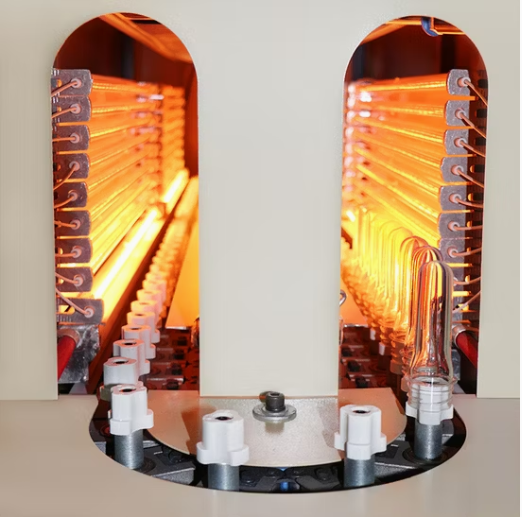
When we design our infrared lamps, we aren’t trying to reinvent the wheel. We just want them to be a perfect drop-in replacement for Amsler and other big-name blow molding machines. The goal is simple: we match the thermal footprint and electrical load of your original part. Why? Because the last thing you want to do on a Tuesday afternoon is rewire your entire oven. Let’s talk about the power. Most Amsler setups run on high-wattage shortwave IR tubes. Depending on your machine’s power rail, we spec these for 230V or 400V. You need that kind of heat density to soften PET preforms in a matter of seconds. But here’s a tip: double-check your transformers and contactors. Make sure they can handle the amperage of the new lamp. If they can’t, you’re just asking for a premature burnout. The build quality matters. We use heavy-wall quartz glass. It’s tough, which stops the tube from warping when things get scorching hot. We also use a halogen gas fill. This lets the filament run hotter and actually helps the wire last longer. As for the connectors, we stick with R7s or SK15. They’re the industry standard for a reason—they slide in and lock tight. And please, make sure they’re snug. If the fit is loose, you get arcing. And arcing kills lamps. Fast. Real-world usage. Our lamps fit about 95% of the machines out there because we don’t mess with the standard lengths and diameters. We also offer different coatings to shift the emission spectrum. This lets you tune exactly how the heat penetrates the PET wall. One last thing. If you push a lamp to its max wattage, your oven’s cooling fans have to work harder. If your ventilation is clogged with dust or grime, the ambient temperature inside the oven will spike. That’ll shorten the life of your lamp, no matter who made it. So, do yourself a favor: check your airflow before you pop in those high-output replacements.