Stop Burning the Outside and Leaving the Inside Raw
We’ve all been there. You’re dealing with a thick cut of meat, and you end up with that classic disaster: a charred, blackened crust on the outside, but a center that’s still practically frozen. It’s frustrating, and it wastes product. We figured out a way to fix this by pairing high-penetration infrared (IR) quartz tubes with some really tight temperature controls.
Getting the heat where it actually matters
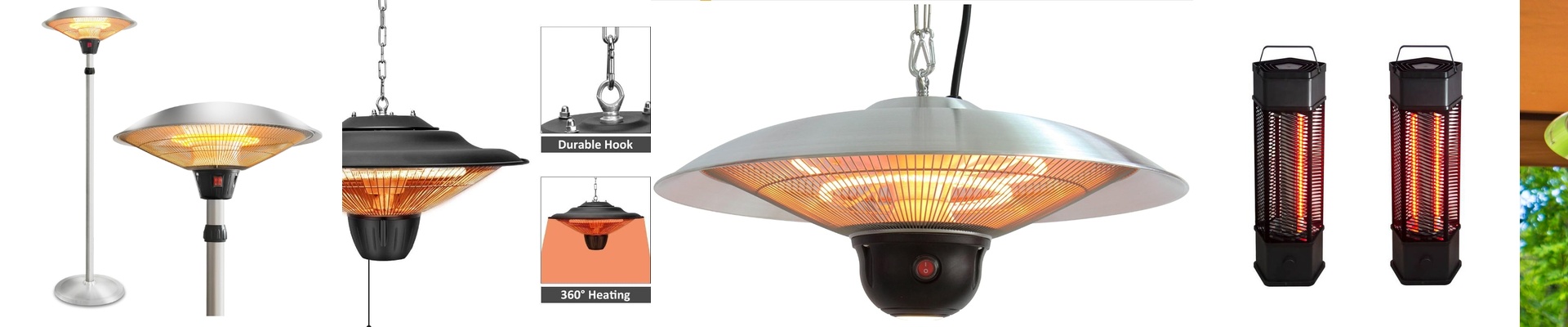
Here’s the thing about standard convection ovens: they rely on hot air. But air is slow, and it doesn’t move through dense protein very well. That’s why we use short-to-medium wave IR emitters. Instead of just licking the surface of the meat, these wavelengths actually dive deeper into the muscle fibers. It pushes the heat straight into the core. This means the outside doesn’t have to suffer through a scorched-earth policy just to get the middle cooked through.
Keeping things under control
Now, these quartz tubes pack a serious punch. If you just crank them to 100% and walk away, you’re going to burn everything in sight. To stop that from happening, we use precision controllers to modulate the power. It’s like a dimmer switch for your heat. It keeps the exterior from overheating while the center slowly catches up to the target temperature. One quick tip on the hardware side: don’t cheap out on your power supplies. Rapidly switching high-wattage tubes will chew through standard contactors in no time. Use solid-state relays (SSRs) instead. They can handle the constant clicking and switching without breaking a sweat.
A few things to watch out for
Quartz is great, but it’s fragile. Think of it like a lightbulb—it can’t take a hit. A stray bump or a splash of cold water, and crack. You’ll want to build your oven housing so the tubes are shielded from grease splatters and any accidental knocks. Plus, remember that IR heat is directional. It doesn’t wrap around the meat like air does. You have to be smart about where you place the tubes so you don’t end up with “cold spots.” And if your cuts of meat vary in thickness? You’ll just need to tweak the distance of the tubes or adjust the intensity. Once you dial that in, the cook stays consistent every single time.